

Índice do Conteúdo
- Understanding the Botanical Definitions
- The Role of Seeds in Fruits
- Vegetables: Edible Plant Parts
- Culinary Perspectives on Fruits and Vegetables
- Examples of Common Fruits and Vegetables
- Nutrition and Health Benefits
- Common Misconceptions
- Regional Variations in Classification
- Conclusion: The Importance of Context
Understanding the Botanical Definitions
Botanically speaking, the primary distinction between fruits and vegetables lies in their respective roles in the plant’s reproductive system. Fruits are the mature ovary of a flowering plant, typically containing seeds, and are developed from the fertilized ovary after flowering. In contrast, vegetables encompass other edible parts of the plant, such as roots, stems, and leaves. This fundamental botanical classification is crucial for understanding the main difference between fruit and vegetable.
The Role of Seeds in Fruits
One of the defining characteristics of fruits is their seed content. Fruits develop from the ovary of a flower and are designed to protect and disperse seeds. For example, apples, oranges, and tomatoes are all classified as fruits because they contain seeds and develop from the flowering part of the plant. This seed-bearing aspect is a significant factor that differentiates fruits from vegetables, which do not typically contain seeds in the same way.
Vegetables: Edible Plant Parts
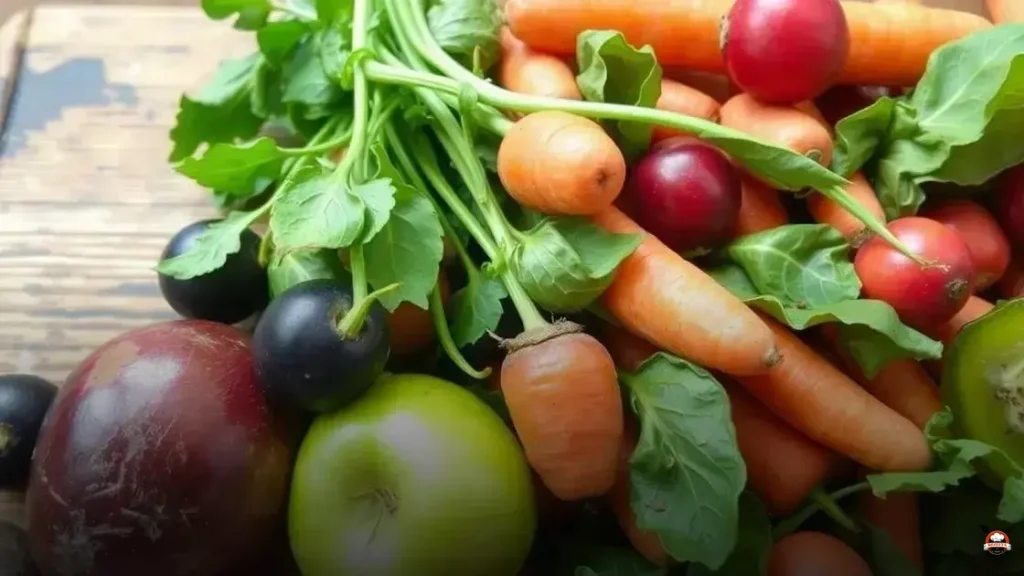
Vegetables, on the other hand, are derived from various parts of the plant, including roots (like carrots and beets), stems (such as celery and asparagus), and leaves (like spinach and lettuce). They do not play a direct role in the plant’s reproductive process, which is a key aspect of the distinction between fruits and vegetables. This broad category of edible plant parts contributes to the diverse culinary applications of vegetables in various cuisines around the world.
Culinary Perspectives on Fruits and Vegetables
From a culinary standpoint, the distinction between fruits and vegetables often differs from the botanical definitions. Many foods that are botanically classified as fruits, such as bell peppers and cucumbers, are commonly treated as vegetables in cooking due to their savory flavor profiles. This culinary classification can sometimes lead to confusion when discussing what is the main difference between fruit and vegetable, as the culinary context often takes precedence over botanical classifications.
Examples of Common Fruits and Vegetables
To illustrate the differences further, consider common examples of fruits and vegetables. Fruits include apples, bananas, and strawberries, all of which have seeds and develop from the flowering part of the plant. In contrast, vegetables include broccoli, potatoes, and onions, which are derived from non-reproductive parts of the plant. This clear distinction helps clarify the main difference between fruit and vegetable in both botanical and culinary contexts.
Nutrition and Health Benefits
Both fruits and vegetables offer essential nutrients and health benefits, but they differ in their nutritional profiles. Fruits are often higher in sugars and carbohydrates, providing quick energy, while vegetables tend to be lower in calories and higher in fiber. Understanding these nutritional differences can help individuals make informed dietary choices, emphasizing the importance of including both fruits and vegetables in a balanced diet.
Common Misconceptions
There are several misconceptions regarding the classification of fruits and vegetables. For instance, many people consider tomatoes to be vegetables due to their savory taste, despite their botanical classification as fruits. Similarly, avocados and olives are often categorized as vegetables in culinary contexts, although they are fruits. These misconceptions highlight the complexity of understanding what is the main difference between fruit and vegetable.
Regional Variations in Classification
Cultural and regional variations also play a role in how fruits and vegetables are classified. In some cultures, certain foods may be categorized differently based on culinary traditions and practices. For example, in some Asian cuisines, eggplants are treated as vegetables, while in Western contexts, they are often considered fruits. This regional perspective adds another layer of complexity to the discussion of the main difference between fruit and vegetable.
Conclusion: The Importance of Context
Ultimately, the distinction between fruits and vegetables is influenced by both botanical definitions and culinary practices. Understanding the main difference between fruit and vegetable requires considering both perspectives, as well as recognizing the cultural context in which these classifications occur. By appreciating the nuances of these categories, individuals can enhance their culinary knowledge and make informed choices in their diets.


