

Índice do Conteúdo
What is the Nectarine Fruit?
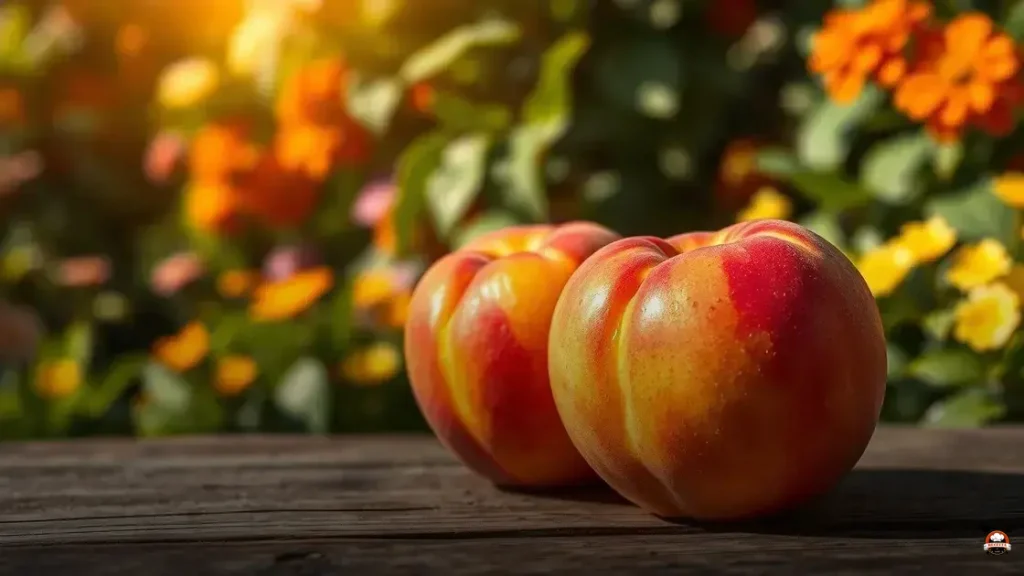
The nectarine is a smooth-skinned fruit that belongs to the same species as the peach, scientifically known as Prunus persica. This fruit is characterized by its juicy flesh and sweet flavor, making it a popular choice among fruit enthusiasts. The primary difference between nectarines and peaches lies in their skin texture; nectarines have a smooth skin, while peaches are fuzzy. This unique trait is due to a genetic mutation that affects the presence of trichomes, the tiny hair-like structures on the fruit’s surface.
Origin and History of Nectarines
Nectarines are believed to have originated in China, where they have been cultivated for thousands of years. Historical records indicate that nectarines were enjoyed by ancient civilizations, including the Greeks and Romans. The fruit made its way to Europe and eventually to the Americas, where it gained popularity due to its delightful taste and versatility in culinary applications. Today, nectarines are grown in various regions around the world, including California, which is one of the largest producers in the United States.
Nutritional Profile of Nectarines
Nectarines are not only delicious but also packed with essential nutrients. A medium-sized nectarine contains approximately 60 calories, making it a low-calorie snack option. It is rich in vitamins A and C, which are vital for maintaining healthy skin and boosting the immune system. Additionally, nectarines provide dietary fiber, which aids in digestion and promotes a feeling of fullness. The fruit also contains antioxidants that help combat oxidative stress in the body.
Culinary Uses of Nectarines
Nectarines are incredibly versatile in the kitchen and can be used in a variety of dishes. They can be eaten fresh, added to fruit salads, or blended into smoothies for a refreshing drink. In baking, nectarines can be used in pies, tarts, and crumbles, adding a sweet and tangy flavor to desserts. Additionally, grilled nectarines can serve as a delightful accompaniment to savory dishes, such as grilled meats or salads, enhancing the overall flavor profile of the meal.
Growing Nectarines
Growing nectarines requires a temperate climate with well-drained soil. They thrive in areas with full sun exposure and benefit from regular watering, especially during dry spells. Nectarine trees typically bloom in early spring, producing beautiful pink flowers before the fruit develops. Proper pruning is essential to maintain the health of the tree and ensure a bountiful harvest. Home gardeners can enjoy the satisfaction of growing their own nectarines, provided they follow the necessary care guidelines.
Health Benefits of Nectarines
The consumption of nectarines offers numerous health benefits. Their high vitamin C content supports the immune system and promotes healthy skin. The dietary fiber found in nectarines aids in digestion and helps regulate blood sugar levels. Furthermore, the antioxidants present in nectarines may reduce the risk of chronic diseases, such as heart disease and certain cancers. Incorporating nectarines into a balanced diet can contribute to overall health and well-being.
Varieties of Nectarines
There are several varieties of nectarines, each with its unique flavor and texture. Some popular types include the yellow-fleshed nectarine, which is known for its sweet and juicy taste, and the white-fleshed nectarine, which offers a milder flavor profile. Additionally, nectarines can be classified as freestone or clingstone, referring to how easily the flesh separates from the pit. Understanding the different varieties can help consumers choose the best nectarines for their culinary needs.
Storing Nectarines
Proper storage of nectarines is essential to maintain their freshness and flavor. Nectarines should be kept at room temperature until they ripen, after which they can be stored in the refrigerator to prolong their shelf life. It is important to check for any signs of spoilage, such as soft spots or mold, and to consume them within a few days of ripening for the best taste. When stored correctly, nectarines can remain fresh for up to a week.
Conclusion on Nectarines
In summary, nectarines are a delicious and nutritious fruit that can be enjoyed in various ways. Their smooth skin, sweet flavor, and health benefits make them a favorite among fruit lovers. Whether eaten fresh, baked into desserts, or grilled alongside savory dishes, nectarines offer a delightful culinary experience. Understanding what the nectarine fruit is and how to incorporate it into your diet can enhance your overall enjoyment of this wonderful fruit.


