

Índice do Conteúdo
What is the Plum Fruit?
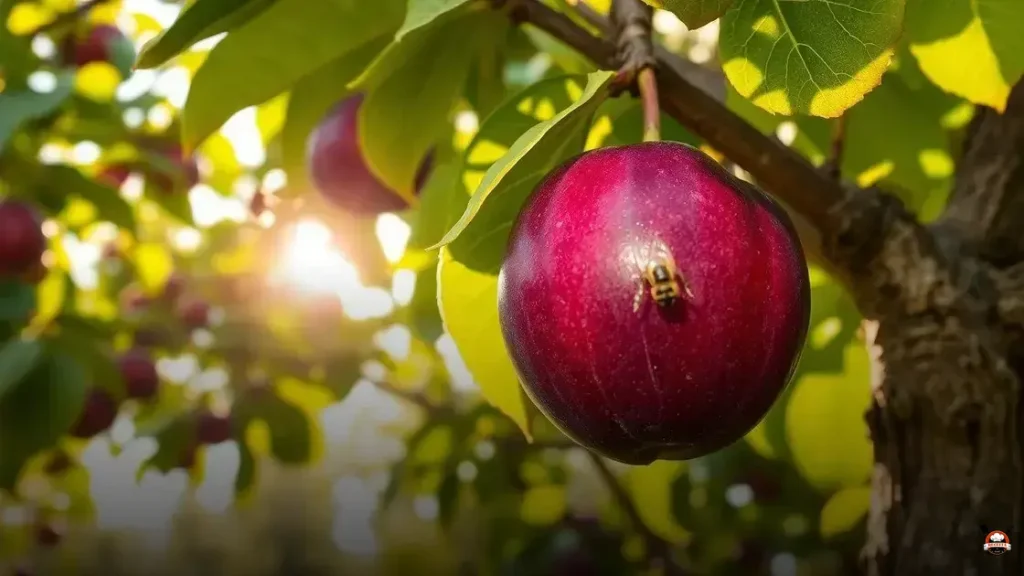
The plum fruit, scientifically known as Prunus domestica, is a member of the Rosaceae family, which includes other fruits such as cherries, apricots, and almonds. This fleshy fruit is characterized by its smooth skin and a central pit, or stone, that encases the seed. Plums come in various colors, including purple, red, yellow, and green, each offering a unique flavor profile and texture. The fruit is typically sweet or tart, making it a versatile ingredient in both sweet and savory dishes.
Origin and History of Plums
Plums have a rich history that dates back thousands of years, with origins believed to be in the regions of Europe and Asia. Archaeological evidence suggests that plums were cultivated as early as 2000 BC in ancient civilizations. Over time, plums spread across the globe, leading to the development of numerous varieties. Today, China is the largest producer of plums, followed by countries like Romania, Serbia, and the United States, where they are grown in temperate climates.
Nutritional Benefits of Plums
Plums are not only delicious but also packed with essential nutrients. They are low in calories and rich in vitamins A and C, which are crucial for maintaining healthy skin and boosting the immune system. Additionally, plums contain dietary fiber, which aids in digestion and helps regulate blood sugar levels. The antioxidants found in plums, such as phenols and flavonoids, contribute to overall health by combating oxidative stress and reducing inflammation in the body.
Culinary Uses of Plums
The culinary versatility of plums makes them a popular choice in various dishes. They can be eaten fresh, dried, or cooked, and are often used in desserts like pies, tarts, and jams. In savory dishes, plums can be incorporated into sauces, marinades, and salads, adding a sweet and tangy flavor. Additionally, plum wine and plum brandy are traditional beverages in many cultures, showcasing the fruit’s fermentation potential.
Varieties of Plums
There are numerous varieties of plums, each with distinct characteristics. Some of the most popular types include the European plum, which is often used for drying and making prunes, and the Japanese plum, known for its sweet flavor and juiciness. Other notable varieties include the Damson plum, which is tart and ideal for cooking, and the Satsuma plum, which is sweet and perfect for fresh consumption. Understanding the differences between these varieties can enhance culinary experiences.
Growing Plums: Cultivation and Care
Growing plums requires specific conditions to thrive. They prefer well-drained soil and full sun exposure, making them suitable for temperate climates. Plum trees typically require cross-pollination, so planting multiple varieties can enhance fruit production. Regular pruning is essential to maintain tree health and encourage fruiting. Additionally, proper pest and disease management is crucial to ensure a bountiful harvest, as plum trees can be susceptible to various ailments.
Harvesting and Storing Plums
Harvesting plums at the right time is vital for optimal flavor and texture. Plums are usually ready for harvest when they are fully colored and slightly soft to the touch. After harvesting, plums should be handled gently to avoid bruising. For storage, plums can be kept at room temperature for a few days or refrigerated to extend their shelf life. It is important to store them away from ethylene-producing fruits, such as apples, to prevent premature ripening.
Health Considerations and Allergies
While plums are generally safe for most individuals, some people may experience allergic reactions to stone fruits. Symptoms can include itching, swelling, or gastrointestinal discomfort. It is advisable for individuals with known allergies to consult a healthcare professional before consuming plums. Additionally, due to their natural sugars, moderation is key for those monitoring their sugar intake, particularly individuals with diabetes.
Conclusion: The Importance of Plums in Diet
Incorporating plums into your diet can provide numerous health benefits while adding flavor and variety to meals. Their rich history, diverse culinary uses, and nutritional value make them a valuable fruit in many cultures. Whether enjoyed fresh, dried, or cooked, plums are a delightful addition to a balanced diet, offering both taste and health benefits.


