

Índice do Conteúdo
Understanding Mango Seeds
Mango seeds are the large, flat seeds found inside the fruit of the mango tree (Mangifera indica). These seeds are encased in a fibrous husk and are essential for the propagation of the mango tree. Understanding the structure of the seed is crucial for successful planting. The seed consists of a hard outer shell and a softer inner kernel, which is the part that germinates when conditions are favorable.
Choosing the Right Mango
To plant a mango seed from the fruit, it is essential to choose a ripe mango. Look for a mango that is slightly soft to the touch and has a sweet aroma. The variety of mango can also affect the success of germination, so selecting a high-quality fruit from a reputable source is recommended. Avoid using mangoes that are overripe or have blemishes, as these may contain seeds that are less viable.
Extracting the Seed
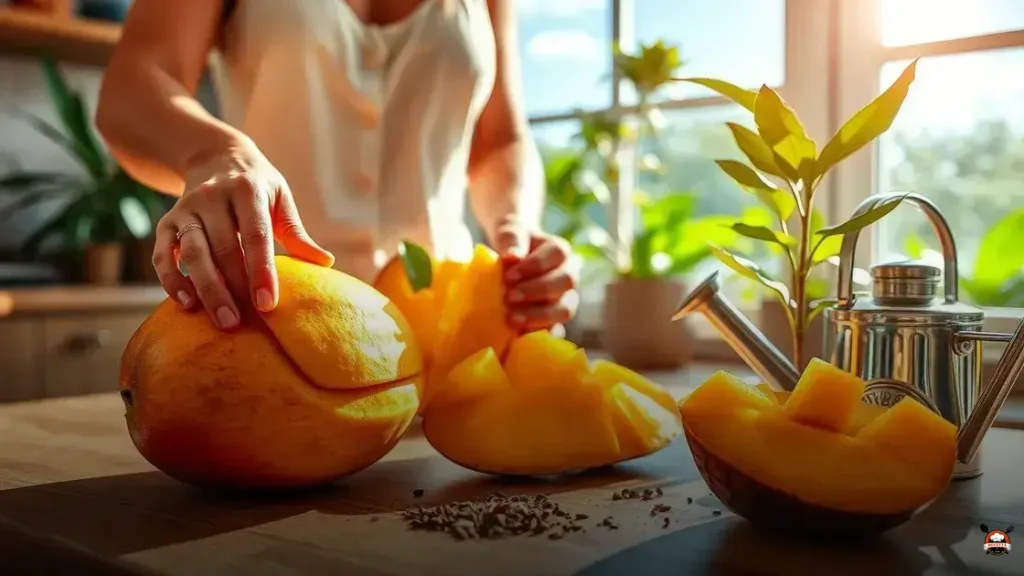
Once you have selected a ripe mango, the next step is to extract the seed. Begin by cutting the mango along the sides of the pit, taking care not to damage the seed inside. After removing the flesh, you will be left with the seed, which is typically covered in a fibrous husk. Gently clean the seed under running water to remove any remaining fruit residue, as this can promote mold growth during the germination process.
Preparing the Seed for Planting
After cleaning the seed, it is important to prepare it for planting. The hard outer shell of the seed can inhibit germination, so it is advisable to remove it. Use a sharp knife to carefully slice open the outer shell, exposing the inner kernel. Alternatively, you can soak the seed in water for 24 hours to soften the shell, making it easier to remove. This step increases the chances of successful germination.
Choosing the Right Soil
Selecting the appropriate soil is crucial for planting a mango seed from the fruit. A well-draining potting mix is ideal, as mango seeds are susceptible to rot if they sit in waterlogged soil. You can create a suitable mix by combining equal parts of potting soil, sand, and perlite. This combination ensures good drainage while retaining enough moisture for the seed to germinate.
Planting the Seed
To plant the mango seed, fill a small pot with the prepared soil mix, leaving about an inch of space at the top. Place the seed with the flat side facing down and cover it lightly with soil. Water the soil gently to ensure it is moist but not soggy. It is essential to keep the soil consistently moist during the germination process, which typically takes 2 to 3 weeks.
Providing the Right Environment
Mango seeds thrive in warm, humid environments. Place the pot in a location that receives plenty of indirect sunlight, as direct sunlight can scorch the seed. Maintaining a temperature between 70°F and 85°F (21°C to 29°C) is ideal for germination. You can also cover the pot with a plastic bag or a clear plastic dome to create a greenhouse effect, which helps retain moisture and warmth.
Watering and Care
During the germination period, it is crucial to monitor the moisture levels of the soil. Water the seed when the top inch of soil feels dry to the touch, ensuring that excess water can drain away. Once the seed has germinated and a small sprout appears, you can reduce the frequency of watering. At this stage, it is important to provide adequate light to support healthy growth.
Transplanting the Seedling
Once the mango seedling has grown to about 6 inches tall and has developed a few leaves, it is time to transplant it into a larger pot or directly into the garden. Choose a location with well-draining soil and plenty of sunlight. If transplanting into a pot, select one that is at least 12 inches in diameter. Carefully remove the seedling from its original pot, taking care not to damage the roots, and place it in the new pot or garden bed.
Long-Term Care for Mango Trees
After transplanting, continue to care for your mango tree by providing regular watering, especially during dry spells. Fertilize the tree every few months with a balanced fertilizer to promote healthy growth. As the tree matures, it will require pruning to maintain its shape and encourage fruit production. With proper care, your mango tree can thrive and produce delicious fruit for years to come.


