

Índice do Conteúdo
Understanding Guava Fruit
Guava, a tropical fruit native to Central America and parts of South America, is known for its unique flavor and numerous health benefits. This fruit is rich in vitamins A and C, dietary fiber, and antioxidants, making it a nutritious addition to your diet. Understanding how to eat a guava fruit can enhance your culinary experience and provide you with a delightful taste sensation.
Choosing the Right Guava
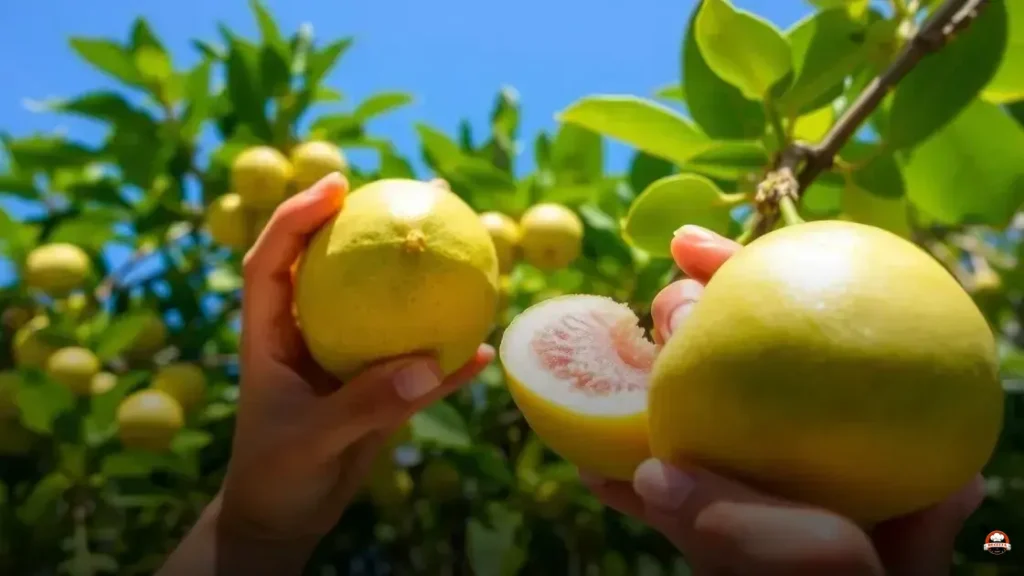
When selecting guavas, look for fruits that are slightly soft to the touch, indicating ripeness. The skin color can vary from green to yellow, depending on the variety. Avoid guavas with blemishes or dark spots, as these may indicate overripeness or spoilage. A ripe guava will emit a sweet aroma, signaling that it is ready to be enjoyed.
Preparing Guava for Consumption
Before eating guava, it is essential to wash the fruit thoroughly under running water to remove any dirt or pesticides. You can eat guava with the skin on, as it is edible and packed with nutrients. However, if you prefer, you can peel the skin using a vegetable peeler or knife. Cut the guava in half to reveal its juicy interior, which can be eaten raw or added to various dishes.
How to Eat Guava Raw
Eating guava raw is one of the simplest and most enjoyable ways to experience its flavor. After cutting the guava in half, you can scoop out the flesh with a spoon or bite directly into the fruit. The taste can range from sweet to slightly tart, depending on the ripeness. Enjoying guava raw allows you to appreciate its natural sweetness and texture.
Incorporating Guava into Salads
Guava can be a delightful addition to salads, providing a tropical twist to your greens. To incorporate guava into your salad, dice the fruit into small pieces and mix it with your favorite greens, such as spinach or arugula. Add other ingredients like nuts, cheese, and a light vinaigrette to enhance the flavor profile. This combination creates a refreshing and nutritious dish.
Making Guava Smoothies
Another popular way to enjoy guava is by blending it into smoothies. Combine ripe guava with yogurt, milk, or a dairy-free alternative, along with other fruits like bananas or berries. Blend until smooth, and enjoy a creamy, nutrient-rich beverage. Guava smoothies are not only delicious but also packed with vitamins and minerals.
Cooking with Guava
Guava can also be used in cooking, adding a unique flavor to various dishes. You can make guava sauce, jams, or jellies by cooking the fruit with sugar and lemon juice. Additionally, guava pairs well with meats, particularly pork and chicken, where it can be used as a glaze or marinade. Experimenting with guava in savory dishes can elevate your culinary creations.
Health Benefits of Eating Guava
Incorporating guava into your diet offers numerous health benefits. The fruit is high in dietary fiber, which aids digestion and promotes gut health. Its rich vitamin C content boosts the immune system and helps fight off infections. Additionally, guava is known for its antioxidant properties, which can help reduce inflammation and protect against chronic diseases.
Storing Guava Properly
To maintain the freshness of guava, store it in a cool, dry place or in the refrigerator if it is already ripe. Unripe guavas can be kept at room temperature until they ripen. Once cut, guava should be stored in an airtight container in the refrigerator and consumed within a few days to ensure optimal flavor and texture.
Exploring Different Guava Varieties
There are several varieties of guava, each with its unique flavor and texture. Common types include the tropical pink guava, which has a sweet taste and pink flesh, and the white guava, known for its milder flavor. Exploring different guava varieties can enhance your culinary experience and allow you to discover new flavors and uses for this versatile fruit.


