

Índice do Conteúdo
Understanding Fruit Tree Pruning
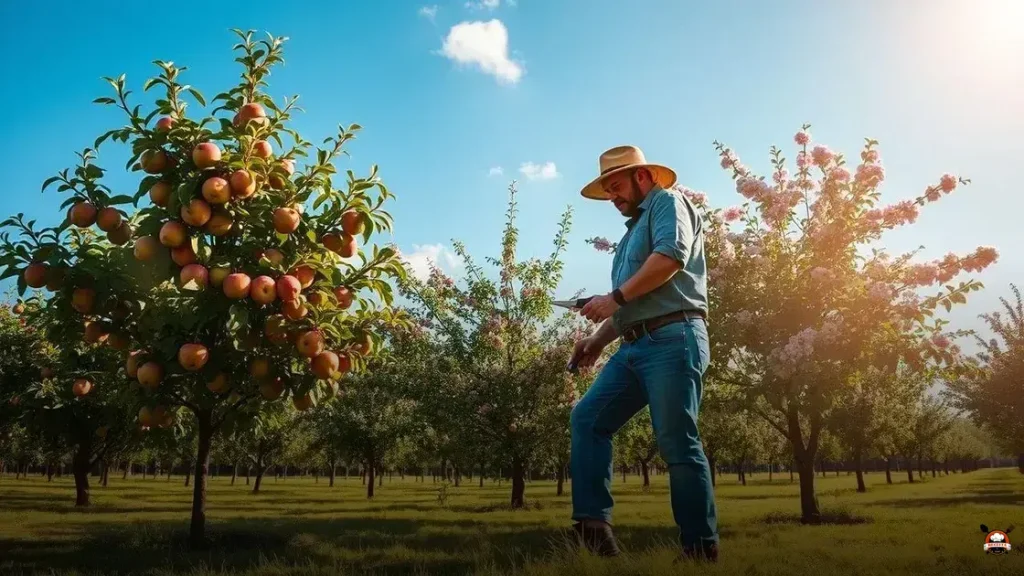
Pruning fruit trees is an essential practice for maintaining their health and productivity. This process involves selectively removing certain parts of the tree, such as branches, buds, or roots, to improve its structure and encourage better fruit production. Proper pruning techniques can lead to increased sunlight penetration, improved air circulation, and reduced disease incidence, ultimately resulting in a more fruitful harvest.
Tools Required for Pruning
Before embarking on the journey of how to cut fruit trees, it’s crucial to gather the right tools. Essential tools include pruning shears, loppers, a pruning saw, and possibly a pole pruner for higher branches. Each tool serves a specific purpose; for instance, pruning shears are ideal for small branches, while loppers are better suited for thicker limbs. Ensuring that your tools are sharp and clean will make the cutting process smoother and reduce the risk of disease transmission.
When to Prune Fruit Trees
Timing is a critical factor in the successful pruning of fruit trees. The best time to prune most fruit trees is during their dormant season, typically late winter or early spring, before new growth begins. However, some trees may benefit from summer pruning, which can help control their size and shape. Understanding the specific needs of your fruit tree species is essential for optimizing the pruning schedule.
Identifying the Right Branches to Cut
When learning how to cut fruit trees, it’s important to identify which branches to remove. Focus on dead, diseased, or damaged branches, as these can hinder the tree’s growth and fruit production. Additionally, look for branches that cross each other or grow inward, as these can create crowding and reduce airflow. Removing these branches will help the tree maintain a healthy structure and promote better fruit yield.
Pruning Techniques for Fruit Trees
There are various pruning techniques to consider when cutting fruit trees. The most common methods include thinning cuts, which remove entire branches to open up the canopy, and heading cuts, which shorten branches to encourage bushier growth. Each technique has its benefits, and understanding when to apply each method is crucial for achieving the desired results in tree shape and fruit production.
Making the Cuts
When you are ready to make the cuts, ensure that you do so at the right angle and location. Cuts should be made just above a bud or lateral branch, at a 45-degree angle, to promote healing and reduce the risk of rot. Avoid leaving stubs, as these can become entry points for pests and diseases. Proper cutting techniques will help the tree recover quickly and continue to thrive.
Aftercare Following Pruning
After pruning, it’s essential to care for your fruit trees to ensure they recover well. This includes monitoring for any signs of stress or disease and providing adequate water and nutrients. Applying a balanced fertilizer can help support new growth, while mulching around the base of the tree can retain moisture and suppress weeds. Regularly inspecting your trees will help you catch any potential issues early.
Common Mistakes to Avoid
When learning how to cut fruit trees, it’s easy to make mistakes that can negatively impact the tree’s health. Common errors include over-pruning, which can lead to stress and reduced fruit production, and failing to sterilize tools between cuts, which can spread diseases. Additionally, not considering the tree’s natural shape can result in an unbalanced appearance. Being aware of these pitfalls will help you achieve better results.
Benefits of Proper Pruning
Properly pruning fruit trees offers numerous benefits beyond just aesthetics. It can lead to improved fruit quality, increased yield, and enhanced tree longevity. By allowing more sunlight to reach the inner branches and improving airflow, you can reduce the risk of fungal diseases and pests. Furthermore, well-pruned trees are generally easier to manage and harvest, making the entire process more enjoyable for gardeners and orchardists alike.


