

Índice do Conteúdo
Understanding Breakfast Fruit Smoothies
Breakfast fruit smoothies are a nutritious and delicious way to start your day. They typically consist of a blend of fruits, vegetables, and other ingredients like yogurt or milk, providing a quick source of energy and essential nutrients. The versatility of smoothies allows for endless combinations, making them a popular choice for breakfast enthusiasts.
Choosing the Right Fruits
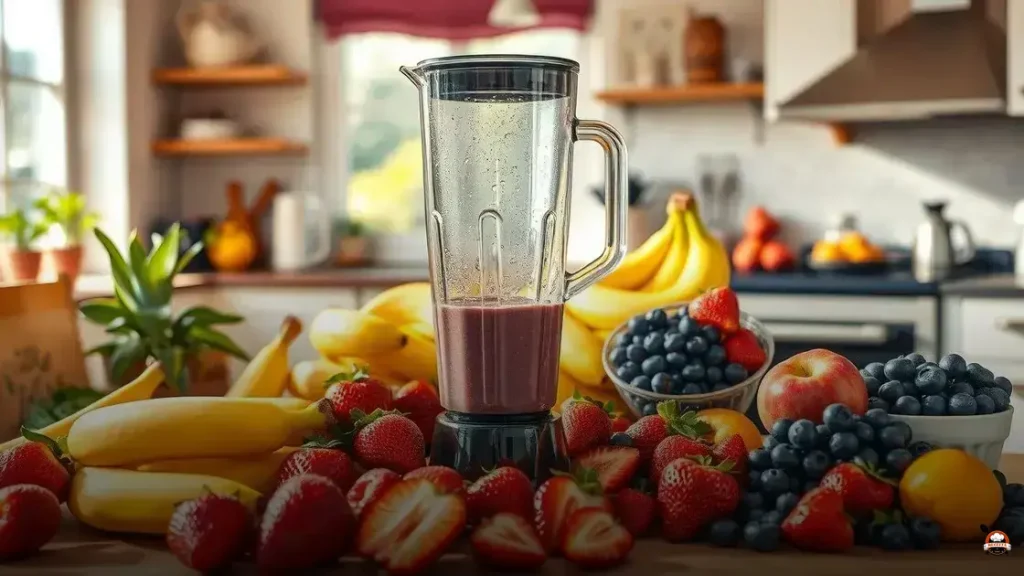
When making breakfast fruit smoothies, selecting the right fruits is crucial. Common choices include bananas, berries, mangoes, and spinach. Each fruit brings its unique flavor and nutritional benefits. For instance, bananas add creaminess and potassium, while berries are rich in antioxidants. Consider seasonal fruits for the best taste and freshness.
Incorporating Vegetables
Adding vegetables to your breakfast fruit smoothies can enhance their nutritional profile. Leafy greens like spinach or kale are excellent options, as they blend well and provide vitamins without overpowering the smoothie’s flavor. Carrots and cucumbers can also be included for added nutrients and a refreshing taste.
Choosing a Liquid Base
The liquid base of your smoothie is essential for achieving the desired consistency. Common options include water, milk, almond milk, or coconut water. Each liquid adds a different flavor and texture. For a creamier smoothie, opt for dairy or plant-based milk, while water keeps it light and refreshing.
Adding Protein and Healthy Fats
To make your breakfast fruit smoothies more filling, consider adding protein and healthy fats. Ingredients like Greek yogurt, protein powder, nut butter, or chia seeds can boost the protein content. Avocado is another excellent source of healthy fats that adds creaminess and richness to the smoothie.
Sweetening Your Smoothie
While fruits provide natural sweetness, you may want to enhance the flavor further. Honey, maple syrup, or agave nectar are popular natural sweeteners. However, be cautious with the quantity to maintain a balanced nutritional profile. Taste your smoothie before adding extra sweeteners to avoid overpowering the natural fruit flavors.
Blending Techniques
Proper blending techniques are key to achieving a smooth and creamy texture. Start by adding the liquid first, followed by softer ingredients like yogurt or bananas, and then the harder fruits and vegetables. Blend on high speed until smooth, stopping to scrape down the sides if necessary. This ensures all ingredients are well combined.
Serving and Presentation
Presentation can enhance the enjoyment of your breakfast fruit smoothies. Serve in a tall glass or bowl and consider topping with fresh fruit, granola, or seeds for added texture and visual appeal. A colorful smoothie can be more enticing and enjoyable, making breakfast a delightful experience.
Storage Tips for Smoothies
If you have leftover smoothie, store it in an airtight container in the refrigerator for up to 24 hours. However, for the best taste and texture, it’s recommended to consume smoothies immediately after preparation. If you want to prepare smoothies in advance, consider freezing the ingredients and blending them fresh in the morning.
Experimenting with Flavors
One of the joys of making breakfast fruit smoothies is experimenting with different flavors and ingredients. Don’t hesitate to try new combinations or add spices like cinnamon or ginger for an extra kick. The more you experiment, the more you’ll discover your favorite smoothie recipes that can become a staple in your breakfast routine.


