

Índice do Conteúdo
Understanding Fruit Wax
Fruit wax is a natural or synthetic coating applied to fruits to enhance their appearance and prolong shelf life. This wax can come from various sources, including carnauba wax, beeswax, and shellac. While it helps protect fruits from moisture loss and spoilage, many consumers prefer to remove it before consumption for health and taste reasons. Knowing how to remove fruit wax effectively can ensure that you enjoy your fruits in their purest form.
Why Remove Wax from Fruits?
Removing wax from fruits is essential for several reasons. First, some individuals may have sensitivities or allergies to certain waxes used in fruit coatings. Second, wax can trap dirt, pesticides, and other residues on the fruit’s surface, which can be harmful if ingested. Lastly, many people find that removing the wax improves the taste and texture of the fruit, making it more enjoyable to eat. Understanding how to remove fruit wax is crucial for maintaining a healthy diet.
Common Fruits That Are Waxed
Many fruits are commonly coated with wax to enhance their appearance and shelf life. Apples, pears, and citrus fruits like oranges and lemons are among the most frequently waxed fruits. Additionally, some varieties of grapes and avocados may also have a wax coating. Recognizing which fruits are likely to have wax can help you decide when to apply removal techniques. Learning how to remove fruit wax from these specific fruits can be beneficial for your health.
Methods to Remove Fruit Wax
There are several effective methods to remove fruit wax, each varying in complexity and effectiveness. One of the simplest methods involves rinsing the fruit under warm water, which can help dissolve some of the wax. For a more thorough cleaning, a mixture of baking soda and water can be used to scrub the fruit gently. Additionally, commercial fruit washes are available that are specifically designed to remove wax and other residues. Knowing how to remove fruit wax using these methods can enhance your fruit consumption experience.
Using Baking Soda to Remove Wax
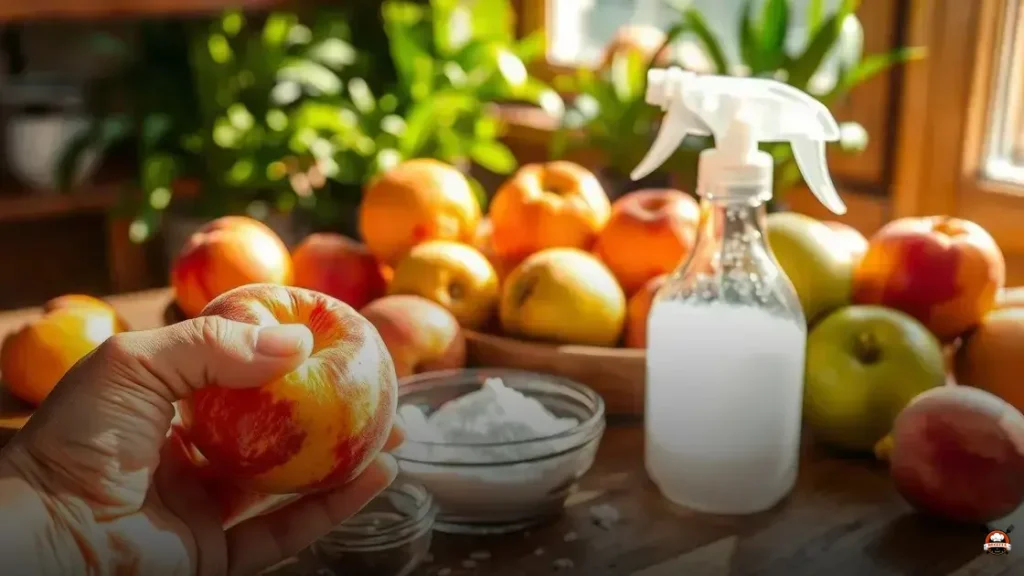
Baking soda is a natural and effective way to remove wax from fruits. To use this method, mix one tablespoon of baking soda with two cups of water. Soak the fruit in this solution for about 10 minutes, then scrub it gently with a soft brush. Rinse thoroughly under running water to ensure all baking soda and wax residues are removed. This method not only helps in removing the wax but also eliminates some pesticide residues, making it a preferred choice for many health-conscious consumers.
Vinegar Solution for Wax Removal
Another effective method for removing fruit wax is using a vinegar solution. Mix one part white vinegar with three parts water in a bowl. Soak the fruit in this solution for about five minutes, then scrub it with a brush. Rinse the fruit under cold water to remove any vinegar taste. This method is particularly effective for fruits with a thicker wax coating, as the acidity of vinegar helps break down the wax. Understanding how to remove fruit wax with vinegar can be a game-changer for your fruit preparation routine.
Commercial Fruit Washes
For those who prefer a ready-made solution, commercial fruit washes are available in most grocery stores. These products are specifically formulated to remove wax, dirt, and pesticide residues from fruits. To use, simply follow the instructions on the label, usually involving spraying the wash on the fruit and rinsing it off. While these washes can be effective, it’s essential to choose a product that is safe and free from harmful chemicals. Knowing how to remove fruit wax using commercial products can save time and effort.
Impact of Wax on Fruit Quality
The presence of wax on fruits can impact their quality in various ways. While wax helps retain moisture and prolong shelf life, it can also affect the fruit’s flavor and texture. Some consumers report that waxed fruits taste less fresh compared to their unwaxed counterparts. Additionally, the wax can create a barrier that prevents the fruit from breathing, potentially leading to spoilage. Understanding the impact of wax on fruit quality can motivate consumers to learn how to remove fruit wax effectively.
Best Practices for Wax Removal
To ensure the best results when removing wax from fruits, it’s essential to follow some best practices. Always wash your hands before handling fruits to prevent transferring dirt and bacteria. Use a soft brush to scrub the surface of the fruit gently, focusing on areas where wax buildup may be more significant. Rinse thoroughly under running water to ensure all residues are removed. By adopting these best practices, you can effectively learn how to remove fruit wax and enjoy cleaner, healthier fruits.
Final Thoughts on Fruit Wax Removal
Understanding how to remove fruit wax is an essential skill for anyone who enjoys fresh fruits. By employing various methods such as baking soda, vinegar solutions, or commercial washes, consumers can ensure that their fruits are clean and free from unwanted coatings. This not only enhances the flavor and texture of the fruits but also promotes better health by reducing exposure to potential allergens and contaminants. With this knowledge, you can confidently enjoy your favorite fruits without the worry of wax residues.


