

Índice do Conteúdo
Understanding Fruit Flies
Fruit flies, scientifically known as Drosophila melanogaster, are small insects that are commonly found in homes, particularly in kitchens and areas where fruits and vegetables are stored. These pests are attracted to the sugars and fermenting substances found in overripe or decaying produce. Understanding their life cycle is crucial for effectively managing their presence in your plants. Adult fruit flies lay eggs on the surface of ripe or rotting fruits, and within a few days, larvae emerge to feed on the decaying matter, further exacerbating the problem.
Identifying Fruit Fly Infestations
Before implementing any natural remedies, it is essential to identify whether you have a fruit fly infestation. Look for small, flying insects around your plants, particularly near any decaying fruit or vegetables. Additionally, you may notice small white larvae on the soil surface or around the base of your plants. Recognizing these signs early can help you take action before the infestation spreads, ensuring the health of your plants and the surrounding environment.
Natural Remedies for Fruit Flies
There are several natural methods to get rid of fruit flies in plants naturally. One effective approach is to create a homemade fruit fly trap using apple cider vinegar. Fill a small bowl with apple cider vinegar and cover it with plastic wrap, securing it with a rubber band. Poke small holes in the plastic wrap to allow the fruit flies to enter but not escape. This method attracts the flies to the vinegar, where they become trapped, significantly reducing their population around your plants.
Using Essential Oils
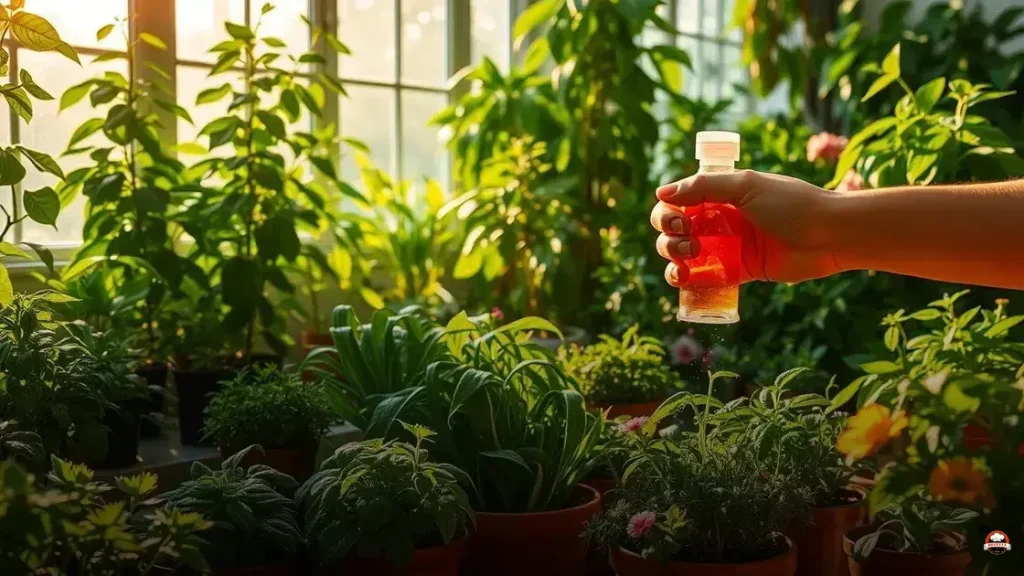
Essential oils can also serve as a natural deterrent against fruit flies. Oils such as peppermint, eucalyptus, and lavender have strong scents that repel these pests. To use essential oils, mix a few drops with water in a spray bottle and apply it to the affected plants and surrounding areas. This not only helps in repelling fruit flies but also leaves your home smelling fresh and pleasant.
Maintaining Cleanliness
One of the most effective ways to prevent fruit flies from infesting your plants is to maintain cleanliness in your kitchen and gardening areas. Regularly clean up any fallen fruit, vegetables, or plant debris, as these can attract fruit flies. Additionally, ensure that your trash bins are sealed and emptied frequently to eliminate potential breeding grounds for these pests. A clean environment is key to preventing fruit fly infestations.
Companion Planting
Companion planting is an organic gardening technique that can help deter fruit flies naturally. Certain plants, such as basil, marigold, and mint, are known to repel fruit flies and other pests. By planting these companion plants near your susceptible plants, you can create a natural barrier that helps keep fruit flies at bay, promoting a healthier garden ecosystem.
Using Yeast Traps
Another effective method to get rid of fruit flies in plants naturally is by using yeast traps. Mix a tablespoon of sugar, a tablespoon of yeast, and a cup of water in a container. The mixture will ferment, producing carbon dioxide, which attracts fruit flies. Once they are drawn to the trap, they will drown in the liquid. This method is particularly effective in reducing the adult population of fruit flies in your home.
Regularly Inspecting Plants
Regular inspections of your plants can help you catch fruit fly infestations early. Check the leaves, stems, and soil for any signs of fruit flies or their larvae. By monitoring your plants frequently, you can take immediate action if you notice any signs of infestation, ensuring that your plants remain healthy and free from pests.
Creating a Barrier with Diatomaceous Earth
Diatomaceous earth is a natural powder made from the fossilized remains of tiny aquatic organisms called diatoms. Sprinkling food-grade diatomaceous earth around the base of your plants can create a barrier that is harmful to fruit flies and other pests. When the insects come into contact with the powder, it dehydrates them, effectively reducing their population without harming your plants.
Utilizing Homemade Soap Solutions
Homemade soap solutions can also be an effective way to manage fruit flies naturally. Mix a few drops of liquid soap with water in a spray bottle and apply it directly to the affected plants. The soap suffocates the fruit flies and larvae, reducing their numbers. This method is safe for most plants and provides a non-toxic solution to pest management.


