

Índice do Conteúdo
Understanding Fruit Flies
Fruit flies, scientifically known as Drosophila melanogaster, are small insects that are often found in kitchens and food storage areas. They are attracted to overripe or decaying fruits and vegetables, making the refrigerator a potential breeding ground if not properly maintained. Understanding their life cycle and behavior is crucial for effective management.
Identifying the Problem
Before taking action, it’s important to identify the presence of fruit flies in your fridge. Look for small flies hovering around your fruits, vegetables, or any open containers. You may also notice tiny larvae or eggs on the surface of food items. Recognizing these signs early can help prevent a larger infestation.
Cleaning the Refrigerator
The first step in getting rid of fruit flies in the fridge is to conduct a thorough cleaning. Remove all food items and inspect them for signs of infestation. Discard any spoiled or overripe produce. Wipe down all surfaces with a mixture of water and vinegar, as this solution not only cleans but also deters fruit flies from returning.
Proper Food Storage
To prevent fruit flies from entering your fridge, it’s essential to store food properly. Keep fruits and vegetables in sealed containers or bags. Avoid leaving open packages of food in the fridge, as these can attract fruit flies. Additionally, consider using airtight containers for items that are prone to attracting pests.
Using Traps
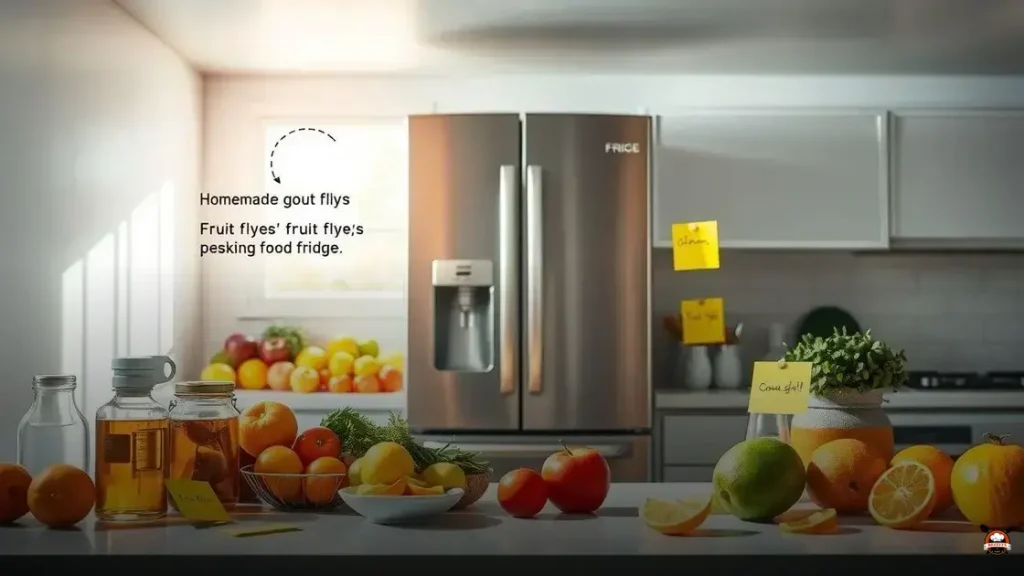
Setting up traps can be an effective way to catch and eliminate fruit flies. You can create a simple trap using a jar filled with apple cider vinegar and a few drops of dish soap. The vinegar attracts the flies, while the soap breaks the surface tension, causing them to drown. Place the traps in your fridge to capture any lingering flies.
Regular Maintenance
Regular maintenance of your refrigerator is key to preventing fruit flies. Make it a habit to check for any spoiled food weekly and clean spills immediately. Keeping your fridge organized and clutter-free will also help you spot potential issues before they escalate into a larger problem.
Temperature Control
Fruit flies thrive in warmer temperatures, so adjusting your fridge’s temperature can help deter them. Ensure your refrigerator is set to 37°F (3°C) or lower, which is optimal for food preservation and can inhibit the growth of fruit flies. Regularly monitor the temperature to maintain an environment that is less conducive to pests.
Natural Repellents
In addition to cleaning and trapping, consider using natural repellents to keep fruit flies at bay. Essential oils such as peppermint, eucalyptus, and lemongrass can be effective deterrents. Mix a few drops of essential oil with water in a spray bottle and lightly mist the interior of your fridge to create an unwelcoming environment for fruit flies.
Seeking Professional Help
If your efforts to get rid of fruit flies in the fridge prove unsuccessful, it may be time to seek professional pest control assistance. Experts can provide targeted treatments and advice tailored to your specific situation, ensuring that your kitchen remains fruit fly-free.
Preventing Future Infestations
To prevent future infestations, maintain good hygiene in your kitchen and refrigerator. Regularly check for and dispose of any overripe produce, and ensure that your fridge is always clean and organized. By implementing these practices, you can significantly reduce the chances of fruit flies returning to your kitchen space.


