

Índice do Conteúdo
- Understanding the Importance of Cleaning Fruit
- Gathering the Necessary Supplies
- Rinsing Fruits Under Running Water
- Using a Vinegar Solution for Enhanced Cleaning
- Employing Baking Soda for Tough Residues
- Cleaning Berries with Care
- Dealing with Stone Fruits
- Cleaning Citrus Fruits Properly
- Storing Cleaned Fruits Correctly
- Final Tips for Cleaning Fruits at Home
Understanding the Importance of Cleaning Fruit
Cleaning fruit is a crucial step in ensuring food safety and enhancing the overall taste of your meals. When you consume fruits, you want to be sure that they are free from pesticides, dirt, and harmful bacteria. This process not only helps in maintaining your health but also improves the flavor and texture of the fruit, making it more enjoyable to eat. Knowing how to clean fruit at home effectively can lead to a healthier lifestyle and better culinary experiences.
Gathering the Necessary Supplies
Before you begin the cleaning process, it is essential to gather all necessary supplies. You will need a clean sink, fresh water, a soft brush or cloth, and, in some cases, vinegar or baking soda. These items will help you remove dirt and residues effectively. Having everything ready will streamline the process and ensure that you can clean your fruits efficiently without any interruptions.
Rinsing Fruits Under Running Water
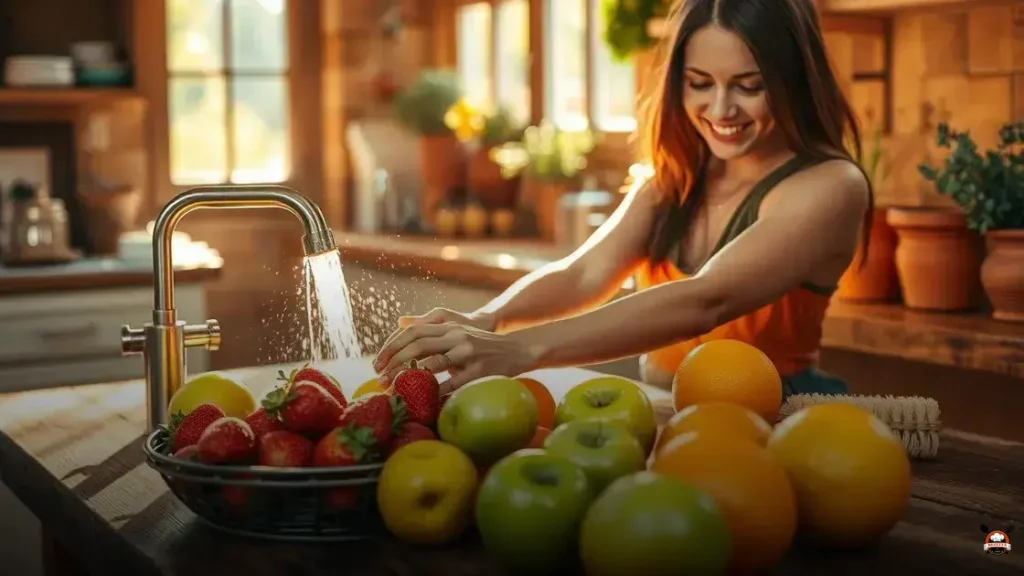
One of the simplest methods to clean fruit at home is by rinsing them under cool running water. This method is effective for most fruits, including apples, pears, and grapes. Hold the fruit under the faucet, allowing the water to wash away any surface dirt and residues. For fruits with thicker skins, such as melons, a gentle scrub with a soft brush can help remove any stubborn dirt particles.
Using a Vinegar Solution for Enhanced Cleaning
For those looking to take their fruit cleaning to the next level, a vinegar solution can be highly effective. Mix one part vinegar with three parts water in a bowl or sink. Soak the fruits in this solution for about 5 to 10 minutes, then rinse thoroughly under running water. This method helps to eliminate bacteria and pesticides, ensuring that your fruits are not only clean but also safe to consume.
Employing Baking Soda for Tough Residues
Baking soda is another excellent option for cleaning fruits, especially those that may have wax coatings or stubborn residues. Create a paste using baking soda and water, then gently scrub the surface of the fruit with your fingers or a soft brush. Rinse thoroughly afterward to remove any baking soda residue. This method is particularly useful for cleaning apples, pears, and other fruits with a waxy surface.
Cleaning Berries with Care
Berries, such as strawberries, blueberries, and raspberries, require special attention when cleaning due to their delicate nature. To clean berries, place them in a colander and rinse them gently under cool running water. Avoid soaking them, as this can lead to mushiness. After rinsing, pat them dry with a paper towel to remove excess moisture, which can promote mold growth.
Dealing with Stone Fruits
Stone fruits like peaches, plums, and cherries can be cleaned effectively by rinsing them under running water. For added safety, you can also soak them in a vinegar solution for a few minutes. After cleaning, be sure to dry them thoroughly before consuming or storing them. This will help maintain their freshness and prevent spoilage.
Cleaning Citrus Fruits Properly
Citrus fruits, including oranges, lemons, and limes, should be cleaned to remove any wax or pesticide residues. Rinse them under warm water and use a soft brush to scrub the surface gently. This method not only cleans the fruit but also enhances the flavor when you use the zest in your recipes. After cleaning, dry them with a clean cloth to remove any remaining moisture.
Storing Cleaned Fruits Correctly
Once you have cleaned your fruits, proper storage is essential to maintain their freshness. Store cleaned fruits in a clean, dry container in the refrigerator. For fruits that are prone to bruising, such as bananas and peaches, consider using a separate container to prevent them from getting damaged. Proper storage will help prolong their shelf life and keep them safe for consumption.
Final Tips for Cleaning Fruits at Home
When learning how to clean fruit at home, remember to always wash your hands before handling any food. This practice helps to prevent the transfer of bacteria. Additionally, always clean your sink and any utensils used in the cleaning process to avoid cross-contamination. By following these tips, you can ensure that your fruits are not only clean but also safe and delicious to eat.


