

Índice do Conteúdo
- Understanding the Importance of Washing Fruits and Vegetables
- Choosing the Right Tools for Washing
- Rinsing Under Running Water
- Using a Vinegar Solution for Enhanced Cleaning
- Scrubbing Firm Produce
- Washing Leafy Greens
- Drying Fruits and Vegetables
- Storing Washed Produce
- Common Mistakes to Avoid When Washing Produce
- Conclusion: The Benefits of Properly Washing Fruits and Vegetables
Understanding the Importance of Washing Fruits and Vegetables
Washing fruits and vegetables is a crucial step in food preparation that ensures the removal of dirt, bacteria, and pesticides. This process not only enhances the safety of the food we consume but also improves its overall taste and texture. Understanding how to wash vegetables and fruit properly can significantly reduce the risk of foodborne illnesses, making it an essential practice in culinary hygiene.
Choosing the Right Tools for Washing
To effectively wash fruits and vegetables, it is important to have the right tools at your disposal. A clean vegetable brush, a colander, and running water are essential. The vegetable brush is particularly useful for scrubbing firm produce like potatoes and carrots, while a colander helps in rinsing leafy greens and smaller fruits. Ensuring these tools are sanitized before use is also vital to prevent cross-contamination.
Rinsing Under Running Water
The most straightforward method for washing fruits and vegetables is to rinse them under cold running water. This technique effectively removes surface dirt and microorganisms. It is important to avoid using soap or bleach, as these substances can leave harmful residues. Instead, simply hold the produce under the faucet, allowing the water to flow over it for at least 30 seconds to ensure thorough cleaning.
Using a Vinegar Solution for Enhanced Cleaning
For those looking to further enhance the cleaning process, a vinegar solution can be an effective alternative. Mixing one part vinegar with three parts water creates a natural disinfectant that can help eliminate bacteria and pesticides. Soaking fruits and vegetables in this solution for about 10 minutes before rinsing them under running water can provide an extra layer of safety, particularly for produce with thicker skins.
Scrubbing Firm Produce
Fruits and vegetables with firm skins, such as cucumbers, potatoes, and melons, benefit from scrubbing. Using a clean vegetable brush, gently scrub the surface of the produce while rinsing it under running water. This method helps to remove dirt and any residual pesticides that may cling to the skin. It is essential to scrub all sides to ensure a thorough clean, especially in crevices where dirt can hide.
Washing Leafy Greens
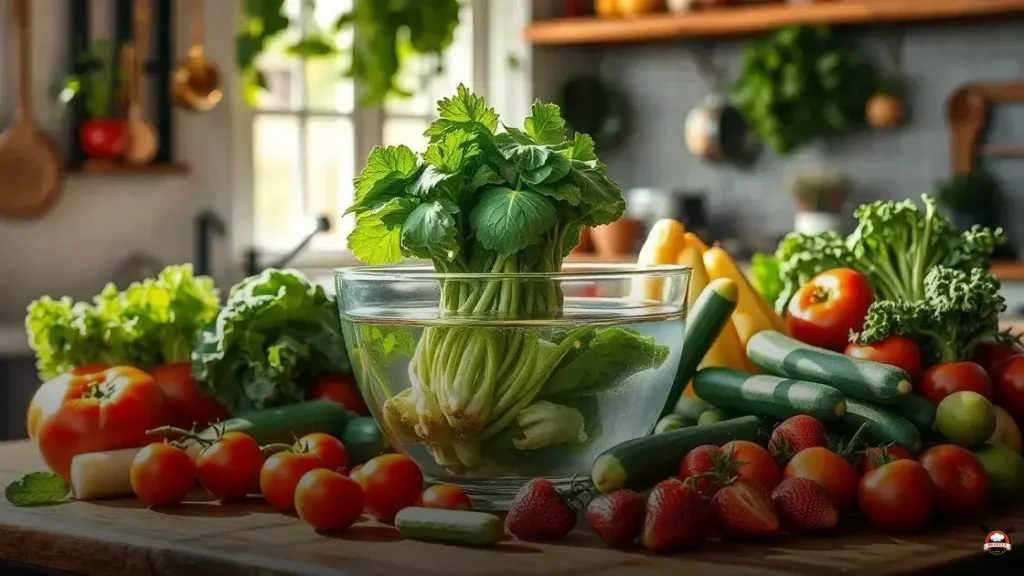
Leafy greens, such as lettuce and spinach, require a slightly different approach. Start by removing any damaged or wilted leaves, then soak the greens in a bowl of cold water. Swish them around gently to dislodge any dirt or insects. After soaking, lift the greens out of the water, allowing the sediment to settle at the bottom of the bowl, and rinse them under running water to remove any remaining debris.
Drying Fruits and Vegetables
After washing, it is important to dry fruits and vegetables properly. Using a clean kitchen towel or paper towel, gently pat the produce dry. This step not only helps to remove any remaining moisture but also reduces the risk of spoilage and mold growth. For leafy greens, a salad spinner can be an effective tool for removing excess water, ensuring they remain crisp and fresh.
Storing Washed Produce
Once fruits and vegetables are washed and dried, proper storage is essential to maintain their freshness. Store washed produce in clean, dry containers or bags in the refrigerator. It is advisable to keep different types of produce separate to prevent ethylene gas from causing premature ripening. Additionally, consuming washed produce within a few days is recommended to enjoy optimal flavor and nutritional benefits.
Common Mistakes to Avoid When Washing Produce
There are several common mistakes to avoid when washing fruits and vegetables. One of the biggest errors is not washing produce at all, assuming that peeling will suffice. Another mistake is using soap or bleach, which can be harmful. Additionally, washing produce too far in advance can lead to spoilage, as moisture can promote mold growth. Being aware of these pitfalls can enhance food safety and quality.
Conclusion: The Benefits of Properly Washing Fruits and Vegetables
Properly washing fruits and vegetables is a simple yet effective way to ensure food safety and enhance the quality of your meals. By understanding the best practices for cleaning produce, including the use of vinegar solutions and proper drying techniques, you can enjoy fresh, delicious, and safe fruits and vegetables in your culinary creations.


