

Índice do Conteúdo
Understanding Fruit Flies
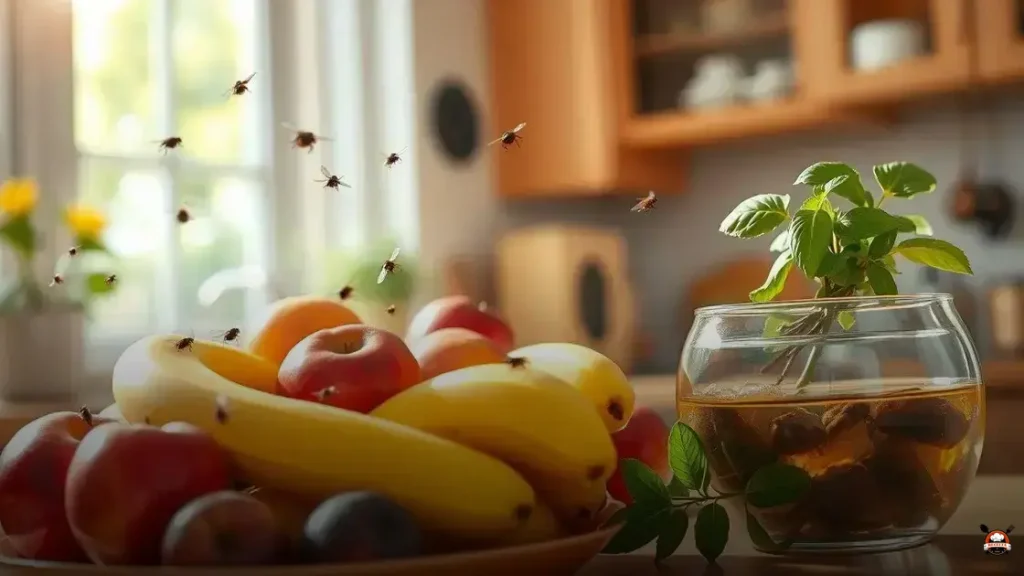
Fruit flies, scientifically known as Drosophila melanogaster, are small insects that are commonly found in homes, particularly in kitchens. These pests are attracted to ripe and decaying fruits, making them a nuisance in any fruit bowl. Understanding their behavior and lifecycle is essential for implementing effective strategies to keep them at bay. They reproduce quickly, laying hundreds of eggs on fermenting fruit, which can lead to a rapid infestation if not managed properly.
Identifying Attractants
To effectively keep fruit flies away from your fruit bowl, it is crucial to identify what attracts them. Fruit flies are particularly drawn to overripe or rotting fruits, as well as sugary substances and spills. Keeping your kitchen clean and free of food debris is essential. Regularly inspecting your fruit bowl for any signs of spoilage can help you remove potential attractants before they become a problem.
Proper Fruit Storage Techniques
One of the most effective methods for preventing fruit flies is to store fruits properly. Instead of leaving fruits exposed in a bowl, consider refrigerating them or using airtight containers. This not only prolongs the freshness of the fruits but also minimizes the chances of attracting fruit flies. Additionally, separating ripe fruits from unripe ones can help reduce the likelihood of attracting these pests.
Utilizing Natural Repellents
Natural repellents can be an effective way to deter fruit flies without resorting to chemical solutions. Essential oils such as peppermint, eucalyptus, and lavender have been known to repel fruit flies. You can create a simple spray by mixing a few drops of essential oil with water and spraying it around your fruit bowl. This not only helps keep the flies away but also leaves a pleasant aroma in your kitchen.
Creating Traps
Setting up traps can be a practical solution for catching and reducing fruit fly populations. A simple trap can be made using a jar filled with apple cider vinegar and a few drops of dish soap. The vinegar attracts the flies, while the soap breaks the surface tension, causing them to drown. Placing these traps near your fruit bowl can significantly decrease the number of fruit flies in your kitchen.
Regular Cleaning Routines
Establishing a regular cleaning routine is vital in the fight against fruit flies. Wipe down surfaces, clean up spills, and dispose of any overripe fruits promptly. Additionally, ensure that your garbage bins are sealed tightly and emptied regularly. A clean kitchen environment is less inviting to fruit flies and can help prevent infestations from occurring in the first place.
Using Vinegar Solutions
Vinegar solutions can serve as both a cleaning agent and a deterrent for fruit flies. Mixing equal parts of vinegar and water can create a solution that can be used to wipe down surfaces in your kitchen. This not only helps eliminate any lingering odors that may attract fruit flies but also creates an environment that is less hospitable for them.
Monitoring and Maintenance
Regular monitoring of your fruit bowl and kitchen area is essential for keeping fruit flies away. Check for any signs of fruit fly activity, such as small flies hovering around your fruit bowl. If you notice an increase in their presence, take immediate action by removing any attractants and implementing traps. Consistent maintenance will help ensure that your kitchen remains fruit fly-free.
Educating Household Members
Educating everyone in your household about the importance of keeping fruit flies away from the fruit bowl is crucial. Encourage family members to be vigilant about food storage, cleaning up spills, and disposing of overripe fruits. By fostering a collective responsibility, you can create a more effective barrier against fruit flies and maintain a clean and healthy kitchen environment.
Seeking Professional Help
If you find that your efforts to keep fruit flies away from your fruit bowl are unsuccessful, it may be time to seek professional pest control assistance. Pest control experts can provide targeted solutions and advice tailored to your specific situation. They can help identify potential breeding sites and recommend long-term strategies to ensure that fruit flies do not become a recurring problem in your home.


