

Índice do Conteúdo
- Understanding the Importance of Keeping Fruit Cold
- Choosing the Right Containers for Transport
- Utilizing Ice Packs and Gel Packs
- Creating a Shade for Your Fruit
- Choosing the Right Time for Serving
- Using a Thermometer to Monitor Temperature
- Incorporating Cold Water Baths
- Keeping Fruit Whole Until Serving
- Educating Guests on Proper Handling
- Planning for Leftovers
Understanding the Importance of Keeping Fruit Cold
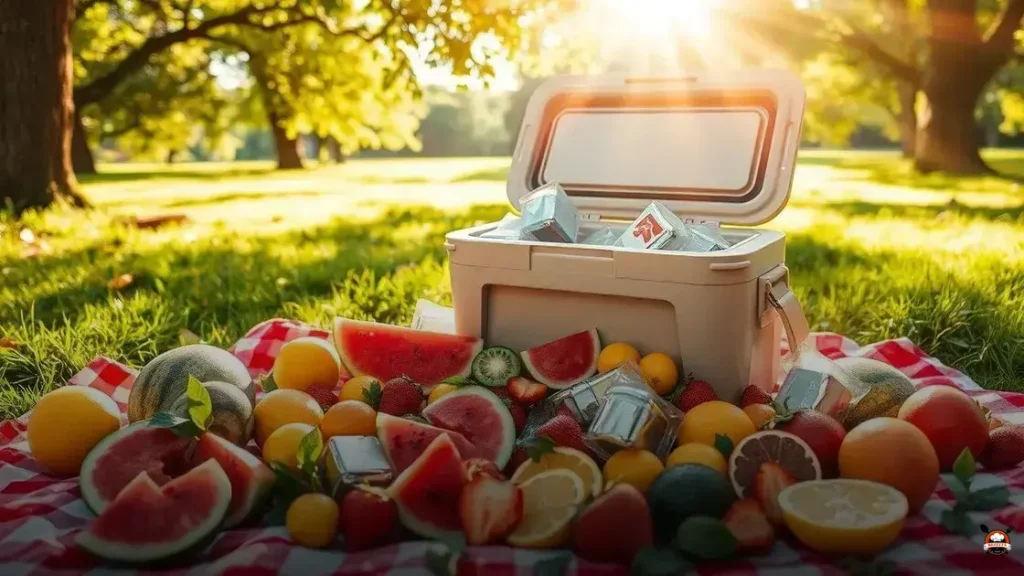
Keeping fruit cold outside is essential for maintaining its freshness and preventing spoilage. When exposed to high temperatures, fruits can quickly lose their flavor, texture, and nutritional value. This is particularly important during outdoor events such as picnics, barbecues, or parties where fruits are often served. Understanding the science behind temperature control can help you implement effective strategies to keep your fruit in optimal condition.
Choosing the Right Containers for Transport
When planning to keep fruit cold outside, selecting the right containers is crucial. Insulated coolers are an excellent choice as they help maintain low temperatures for extended periods. Opt for containers that are specifically designed for food storage, ensuring they are clean and free from contaminants. Additionally, using airtight containers can help prevent moisture loss and protect the fruit from external elements.
Utilizing Ice Packs and Gel Packs
Ice packs and gel packs are effective tools for keeping fruit cold outside. These packs can be placed alongside your fruit in coolers or containers to provide a consistent cooling effect. It is advisable to freeze these packs ahead of time to maximize their cooling potential. For added effectiveness, consider wrapping the fruit in a damp cloth before placing it next to the ice packs, as this can help maintain a cooler temperature for longer.
Creating a Shade for Your Fruit
Direct sunlight can significantly raise the temperature of fruits, leading to quicker spoilage. To combat this, create a shaded area for your fruit. Use umbrellas, canopies, or even large blankets to shield the fruit from the sun’s rays. This simple step can drastically reduce the temperature around your fruit, helping to keep it cold and fresh throughout your outdoor gathering.
Choosing the Right Time for Serving
Timing is everything when it comes to serving fruit outdoors. If possible, serve fruit during the cooler parts of the day, such as early morning or late afternoon. This not only helps maintain the fruit’s freshness but also enhances the overall experience for your guests. Additionally, consider pre-chilling the fruit in the refrigerator before transporting it outside to give it a head start in maintaining a low temperature.
Using a Thermometer to Monitor Temperature
To effectively keep fruit cold outside, it is beneficial to monitor the temperature regularly. A food thermometer can help you ensure that the fruit remains within a safe temperature range. Ideally, fruits should be kept at or below 40°F (4°C) to prevent the growth of harmful bacteria. Regularly checking the temperature can help you make necessary adjustments to your cooling methods.
Incorporating Cold Water Baths
Another effective method for keeping fruit cold outside is to use cold water baths. Fill a large container with ice and water, then submerge the fruit in it. This method is particularly useful for fruits like berries and grapes, which can be easily chilled without compromising their texture. The cold water bath not only cools the fruit quickly but also helps maintain its crispness and flavor.
Keeping Fruit Whole Until Serving
To maximize freshness, it is advisable to keep fruit whole until just before serving. Cutting fruit exposes it to air, which can accelerate spoilage and loss of quality. If you must cut the fruit in advance, consider using citrus juice to coat the exposed surfaces, as this can help slow down browning and maintain freshness. Always store cut fruit in airtight containers to minimize exposure to air.
Educating Guests on Proper Handling
Educating your guests on proper handling techniques can also contribute to keeping fruit cold outside. Encourage them to serve themselves quickly and to return any unused fruit to the cooler promptly. Providing utensils and napkins can help minimize direct contact with the fruit, reducing the risk of heat transfer from hands. This simple education can go a long way in preserving the quality of your fruit.
Planning for Leftovers
Finally, consider how you will handle any leftover fruit after your outdoor event. If there are any fruits that have not been consumed, promptly return them to a cooler or refrigerator to maintain their freshness. Avoid leaving fruit out for extended periods, as this can lead to spoilage and waste. Having a plan for leftovers ensures that you can enjoy the fruit for days to come.


