

Índice do Conteúdo
- Understanding the Importance of Cleaning Fruits
- Choosing the Right Cleaning Method
- Using Water for Basic Cleaning
- Utilizing a Brush for Firm Fruits
- Soaking Fruits for Enhanced Cleaning
- Using Baking Soda as a Natural Cleaner
- Cleaning Fruits with Salt Water
- Drying Fruits After Cleaning
- Storing Cleaned Fruits Safely
- Regularly Cleaning Your Fruit Storage Areas
Understanding the Importance of Cleaning Fruits
Cleaning fruits properly is essential for maintaining their freshness and ensuring food safety. Fruits can harbor pesticides, dirt, and bacteria that may pose health risks if ingested. By understanding how to properly clean your fruit, you can enjoy them without the worry of contaminants. This process not only enhances the taste but also preserves the nutritional value of the fruits.
Choosing the Right Cleaning Method
There are various methods to clean fruits, and the choice often depends on the type of fruit and its surface texture. For hard-skinned fruits like apples and pears, a simple rinse under running water may suffice. However, for softer fruits such as berries, a gentler approach is necessary to avoid bruising. Knowing how to properly clean your fruit involves selecting the right technique to ensure thorough cleaning without damaging the produce.
Using Water for Basic Cleaning
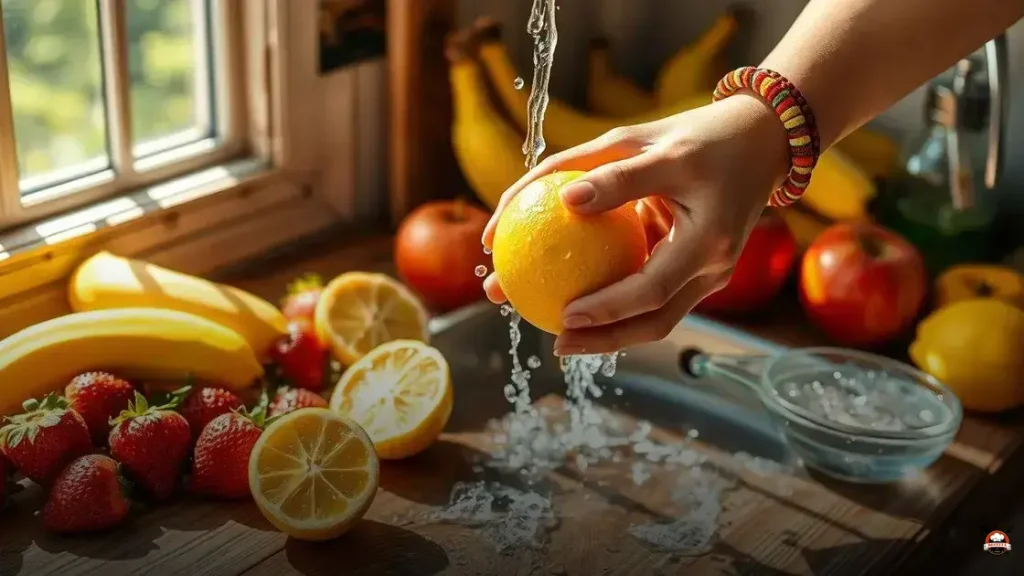
The most straightforward method to clean fruits is to use cold running water. This method effectively removes surface dirt and some pesticide residues. It is crucial to rinse each fruit individually, allowing water to flow over the surface for at least 30 seconds. This practice is particularly important for fruits that will be consumed raw, as it helps eliminate harmful bacteria and contaminants.
Utilizing a Brush for Firm Fruits
For fruits with thicker skins, such as melons or cucumbers, using a produce brush can enhance the cleaning process. Gently scrubbing the surface of these fruits under running water helps remove dirt and residues more effectively. This technique is vital for ensuring that any contaminants are removed before cutting into the fruit, as knife blades can transfer bacteria from the skin to the flesh.
Soaking Fruits for Enhanced Cleaning
Soaking fruits in a solution of water and vinegar can be an effective method for cleaning. A mixture of one part vinegar to three parts water can help eliminate bacteria and pesticide residues. Soaking fruits like grapes or berries for about 10 minutes can significantly improve cleanliness. After soaking, it is essential to rinse the fruits thoroughly under running water to remove any vinegar taste.
Using Baking Soda as a Natural Cleaner
Baking soda is another natural option for cleaning fruits. A solution of baking soda and water can help remove wax coatings and pesticide residues. To use this method, mix one teaspoon of baking soda in two cups of water and soak the fruits for about 15 minutes. After soaking, rinse the fruits thoroughly to ensure that no baking soda remains on the surface, which could affect flavor.
Cleaning Fruits with Salt Water
Salt water can also serve as an effective cleaning agent for fruits. Dissolving salt in water creates a solution that can help remove dirt and bacteria. Soaking fruits like strawberries or cherries in salt water for a few minutes can help dislodge any hidden contaminants. However, it is crucial to rinse the fruits well afterward to avoid any residual saltiness.
Drying Fruits After Cleaning
After cleaning fruits, drying them properly is an often-overlooked step. Using a clean cloth or paper towel to pat the fruits dry can help remove any remaining water that may harbor bacteria. This step is particularly important for fruits that will be stored, as excess moisture can lead to spoilage. Knowing how to properly clean your fruit includes ensuring they are dry before storage.
Storing Cleaned Fruits Safely
Once fruits are cleaned and dried, proper storage is essential to maintain their freshness. Store cleaned fruits in a clean, dry container in the refrigerator to prolong their shelf life. Some fruits, like apples and berries, benefit from being kept in breathable containers to prevent moisture buildup. Understanding how to properly clean your fruit also involves knowing the best storage practices to keep them safe and delicious.
Regularly Cleaning Your Fruit Storage Areas
Finally, maintaining cleanliness in areas where fruits are stored is crucial. Regularly cleaning your refrigerator shelves and fruit bowls can prevent cross-contamination and ensure that your fruits remain safe to eat. By incorporating these practices into your routine, you can further enhance your knowledge of how to properly clean your fruit and enjoy them with peace of mind.


