

Índice do Conteúdo
Understanding Candy Fruit Recipes
Candy fruit recipes are delightful culinary creations that combine the sweetness of fruits with the rich flavors of candy. These recipes often involve a variety of techniques, including boiling, dipping, and coating fruits in sugary mixtures. The result is a treat that not only satisfies your sweet tooth but also showcases the natural flavors of the fruits used. In this guide, we will explore the essential components and steps involved in making candy fruit, ensuring you have a comprehensive understanding of how to make candy fruit recipe.
Essential Ingredients for Candy Fruit
To create the perfect candy fruit, you will need a selection of fresh fruits, sugar, water, and optional flavorings or colorings. Common fruits used in candy recipes include strawberries, apples, and oranges, as they hold up well during the candy-making process. The sugar acts as the primary sweetener, while water is used to dissolve the sugar and create a syrup. Additional ingredients such as corn syrup or food coloring can enhance the flavor and appearance of your candy fruit, making it visually appealing and delicious.
Preparing the Fruits
Before diving into the candy-making process, it is crucial to prepare your fruits properly. Start by washing the fruits thoroughly to remove any dirt or pesticides. Depending on the type of fruit, you may need to peel, core, or slice them into bite-sized pieces. For example, apples should be cored and sliced, while strawberries can be left whole or halved. Proper preparation ensures that the fruits absorb the candy coating evenly, resulting in a more flavorful treat.
Making the Candy Syrup
The candy syrup is the heart of any candy fruit recipe. To make the syrup, combine equal parts sugar and water in a saucepan over medium heat. Stir the mixture until the sugar dissolves completely, then allow it to come to a gentle boil. For added flavor, consider incorporating vanilla extract or citrus zest into the syrup. Monitor the temperature closely, as the syrup should reach the soft ball stage (around 240°F or 115°C) for optimal results. This stage ensures that the syrup will coat the fruits effectively.
Dipping the Fruits
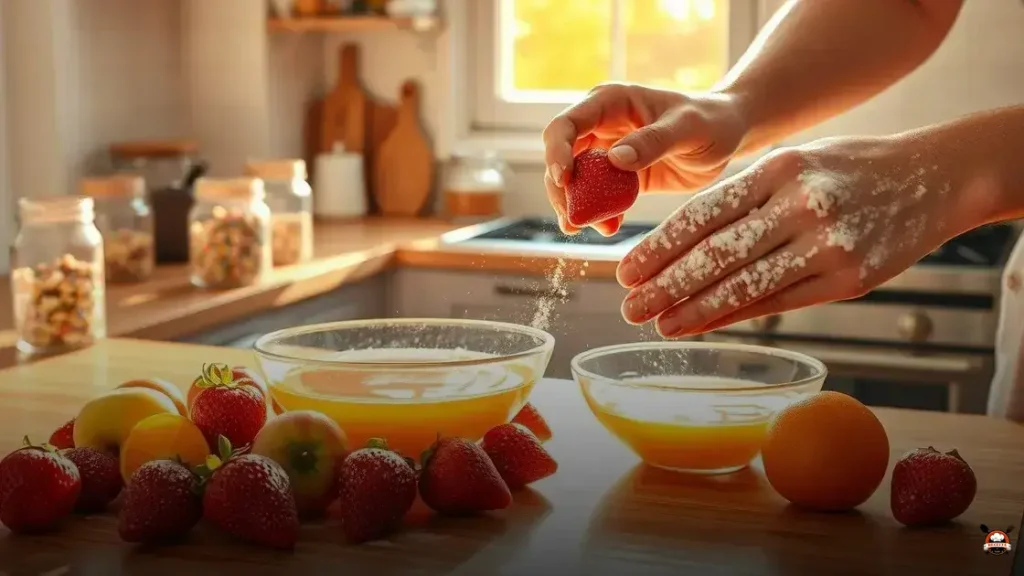
Once your candy syrup is ready, it’s time to dip the prepared fruits. Using a fork or skewer, carefully immerse each piece of fruit into the hot syrup, ensuring it is fully coated. Allow any excess syrup to drip off before placing the dipped fruit onto a parchment-lined baking sheet. This step is crucial, as it prevents the fruits from sticking together and allows the candy coating to set properly. For a decorative touch, you can sprinkle the coated fruits with nuts or sprinkles while the syrup is still wet.
Setting the Candy Coating
After dipping the fruits, they need time to set and harden. Place the baking sheet in a cool, dry area, away from direct sunlight. Depending on the humidity and temperature, the candy coating may take anywhere from 30 minutes to a few hours to fully harden. It’s essential to be patient during this process, as rushing it can lead to a sticky mess instead of a beautifully coated candy fruit. Once set, the candy fruit can be enjoyed immediately or stored for later consumption.
Storing Candy Fruit
Proper storage is key to maintaining the freshness and quality of your candy fruit. Store the finished treats in an airtight container at room temperature, away from heat and moisture. If you live in a particularly humid climate, consider refrigerating the candy fruit to prevent it from becoming sticky. However, be aware that refrigeration may alter the texture of the candy coating. Enjoy your candy fruit within a week for the best flavor and texture.
Variations of Candy Fruit Recipes
There are countless variations of candy fruit recipes that you can experiment with. For instance, you can create chocolate-covered fruits by dipping them in melted chocolate instead of candy syrup. Additionally, consider adding spices such as cinnamon or nutmeg to the syrup for a unique flavor profile. You can also use different types of sugar, such as brown sugar or coconut sugar, to create distinct tastes and textures. The possibilities are endless when it comes to customizing your candy fruit creations.
Healthier Alternatives
If you’re looking for a healthier twist on traditional candy fruit recipes, consider using natural sweeteners like honey or maple syrup. You can also reduce the amount of sugar in the syrup or use fruit juices to create a lighter coating. Another option is to freeze the fruits instead of candying them, resulting in a refreshing treat that retains the natural sweetness of the fruit without added sugars. These alternatives allow you to enjoy candy fruit while being mindful of your health.
Final Thoughts on Candy Fruit Recipes
Creating candy fruit is a fun and rewarding culinary endeavor that allows you to explore the sweet side of fruits. By understanding the essential ingredients, techniques, and variations, you can master the art of making candy fruit. Whether you choose to enjoy them as a snack, dessert, or gift, candy fruits are sure to impress with their vibrant colors and delightful flavors. Now that you know how to make candy fruit recipe, it’s time to get creative in the kitchen!


