

Índice do Conteúdo
- Understanding Browning in Fresh Fruits
- Importance of Keeping Fruits Fresh
- Common Fruits Prone to Browning
- Effective Methods to Prevent Browning
- Using Ascorbic Acid for Preservation
- Refrigeration as a Preservation Technique
- Choosing the Right Storage Containers
- Utilizing Honey as a Natural Preservative
- Experimenting with Commercial Anti-Browning Agents
- Educating Others on Fruit Preservation Techniques
Understanding Browning in Fresh Fruits
Browning in fresh fruits is primarily caused by a chemical process known as enzymatic browning. This occurs when the fruit’s cells are damaged, exposing polyphenol oxidase (PPO) enzymes to oxygen. The result is the formation of brown pigments, which can affect the visual appeal and taste of the fruit. Understanding this process is crucial for anyone looking to maintain the freshness and quality of their fruits.
Importance of Keeping Fruits Fresh
Keeping fresh fruit from browning is essential not only for aesthetic reasons but also for nutritional value. Fresh fruits are rich in vitamins, minerals, and antioxidants, which can diminish as they oxidize. By preventing browning, you can ensure that the fruits retain their health benefits, making them more enjoyable and beneficial for consumption.
Common Fruits Prone to Browning
Certain fruits are more susceptible to browning than others. Apples, bananas, avocados, and pears are among the most common culprits. These fruits contain high levels of the enzymes responsible for browning, making it essential to employ effective methods to keep them fresh and visually appealing for longer periods.
Effective Methods to Prevent Browning
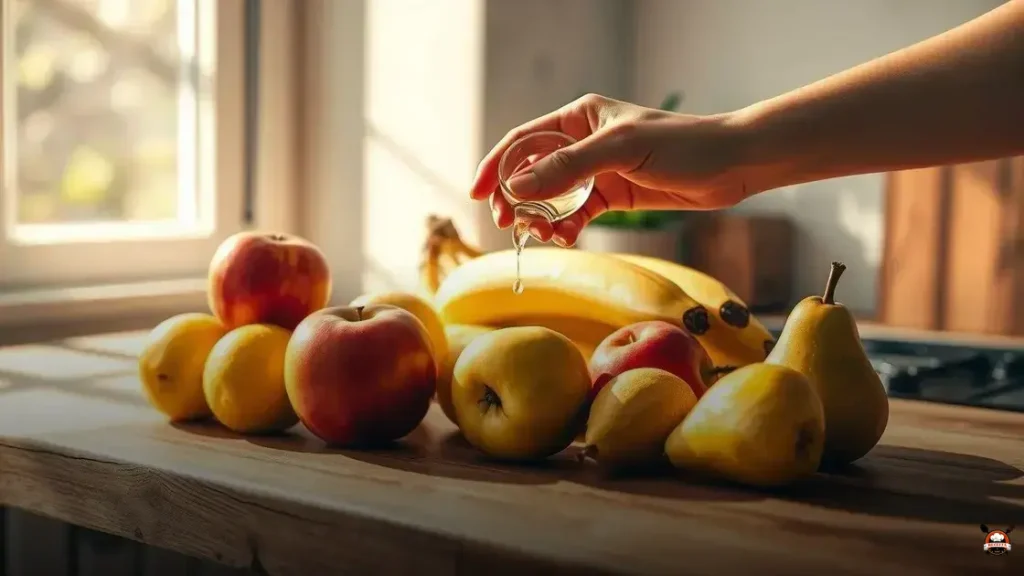
There are several effective methods to prevent browning in fresh fruits. One popular technique involves the use of acidic solutions, such as lemon juice or vinegar, which can inhibit the activity of the PPO enzymes. Applying these solutions to cut fruits can significantly slow down the browning process, preserving their freshness and flavor.
Using Ascorbic Acid for Preservation
Ascorbic acid, commonly known as vitamin C, is another powerful agent in preventing browning. Sprinkling powdered ascorbic acid on cut fruits or using a solution of ascorbic acid in water can effectively reduce oxidation. This method is particularly useful for fruits like apples and pears, ensuring they remain crisp and fresh for longer durations.
Refrigeration as a Preservation Technique
Refrigeration is a simple yet effective way to keep fresh fruit from browning. Lower temperatures slow down the enzymatic reactions responsible for browning. Storing cut fruits in airtight containers in the refrigerator can help maintain their freshness and prevent oxidation, making them a convenient snack option.
Choosing the Right Storage Containers
The choice of storage containers can also impact the freshness of fruits. Airtight containers or vacuum-sealed bags can significantly reduce the exposure of fruits to oxygen, thereby minimizing browning. Opting for containers that limit air circulation can help keep fruits fresh and visually appealing for extended periods.
Utilizing Honey as a Natural Preservative
Honey is a natural preservative that can be used to keep fresh fruit from browning. Its high sugar content creates a barrier that inhibits oxidation. A light coating of honey on cut fruits not only prevents browning but also adds a touch of sweetness, enhancing the overall flavor profile of the fruit.
Experimenting with Commercial Anti-Browning Agents
There are various commercial anti-browning agents available in the market designed specifically for preserving fruits. These products often contain sulfites or other compounds that effectively inhibit enzymatic browning. When using these agents, it’s essential to follow the manufacturer’s instructions to ensure optimal results without compromising the fruit’s taste.
Educating Others on Fruit Preservation Techniques
Educating friends and family about how to keep fresh fruit from browning can promote healthier eating habits. Sharing knowledge about effective preservation techniques can encourage more people to enjoy fresh fruits, reducing food waste and enhancing overall nutrition in their diets. By spreading awareness, we can collectively contribute to a healthier lifestyle.


