

Índice do Conteúdo
- Understanding Fruit Decorations
- Essential Tools for Fruit Decoration
- Selecting the Right Fruits
- Basic Techniques for Fruit Carving
- Creating Simple Fruit Arrangements
- Advanced Fruit Carving Techniques
- Incorporating Edible Flowers
- Seasonal Themes for Fruit Decorations
- Presentation Tips for Fruit Decorations
- Storing and Preserving Fruit Decorations
Understanding Fruit Decorations
Fruit decorations are an art form that enhances the visual appeal of dishes, especially in culinary presentations. They involve the creative arrangement and carving of fruits to create stunning displays that can elevate any meal. This technique is widely used in catering, events, and home cooking to impress guests and add a touch of elegance to the dining experience.
Essential Tools for Fruit Decoration
To effectively learn how to make fruit decorations, it is crucial to have the right tools. Common tools include sharp knives, melon ballers, and carving tools. A good cutting board is also essential for safety and stability while working with fruits. Additionally, using a paring knife can help achieve intricate designs and details in your fruit carvings.
Selecting the Right Fruits
Choosing the right fruits is vital for successful decorations. Fruits that are firm and have vibrant colors, such as melons, pineapples, and strawberries, are ideal. Seasonal fruits can also provide unique flavors and colors, enhancing the overall presentation. It is important to consider the size and shape of the fruits, as they will dictate the type of decorations you can create.
Basic Techniques for Fruit Carving
Learning basic carving techniques is essential when exploring how to make fruit decorations. Start with simple cuts, such as wedges and slices, before progressing to more complex designs. Techniques like spiral cuts, flower shapes, and intricate patterns can be mastered with practice. Watching tutorials or taking classes can also provide valuable insights into advanced techniques.
Creating Simple Fruit Arrangements
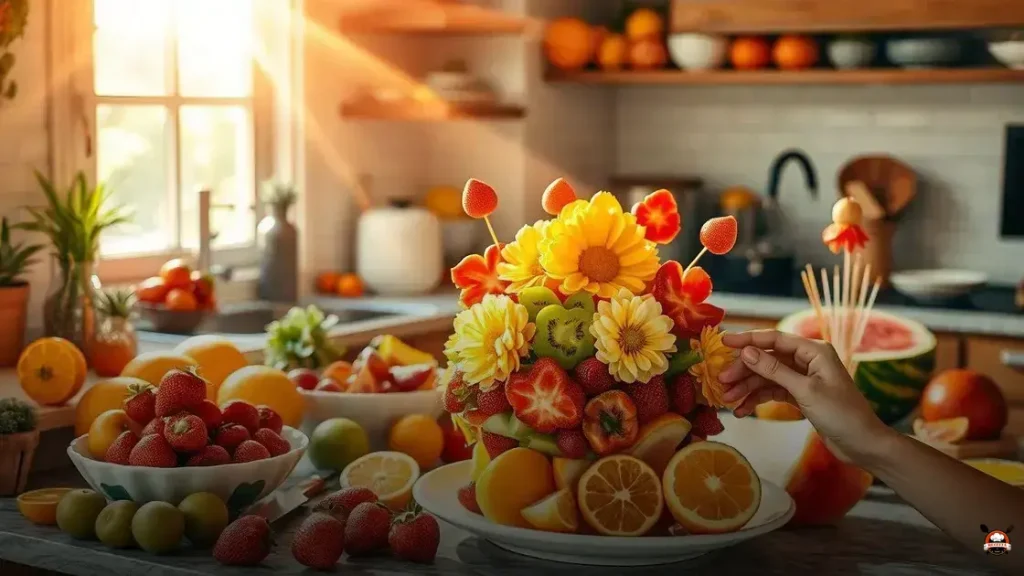
Once you have the basics down, you can begin creating simple fruit arrangements. Start by selecting a variety of fruits with contrasting colors and textures. Arrange them in a visually appealing manner, using height and balance to create interest. Consider using decorative bowls or platters to enhance the presentation further.
Advanced Fruit Carving Techniques
For those looking to take their skills to the next level, advanced fruit carving techniques can be explored. Techniques such as creating 3D sculptures or intricate floral designs require patience and precision. Utilizing tools like the Japanese fruit carving knife can help achieve fine details. Practice is key to mastering these advanced techniques and creating stunning fruit displays.
Incorporating Edible Flowers
Edible flowers can be a beautiful addition to fruit decorations. They not only add color but also provide unique flavors that can complement the fruits. Flowers such as pansies, nasturtiums, and violets are popular choices. When incorporating edible flowers, ensure they are pesticide-free and safe for consumption.
Seasonal Themes for Fruit Decorations
Seasonal themes can inspire your fruit decoration projects. For example, autumn can bring a focus on apples and pumpkins, while summer can highlight berries and melons. Tailoring your decorations to the season can create a more cohesive and festive presentation, making your dishes more appealing to guests.
Presentation Tips for Fruit Decorations
Presentation plays a crucial role in how fruit decorations are perceived. Use contrasting colors and varying heights to create visual interest. Garnishing with fresh herbs or additional fruits can enhance the overall look. Lighting also affects presentation; consider using natural light for photographs to capture the vibrant colors of your fruit decorations.
Storing and Preserving Fruit Decorations
Proper storage is essential to maintain the freshness of your fruit decorations. If not consumed immediately, store them in a cool place or refrigerate them in airtight containers. Some fruits may brown quickly, so using citrus juice can help preserve their color. Understanding how to store your creations will ensure they remain appealing until served.


