

Índice do Conteúdo
- Understanding Fruit-Eating Bats
- Species of Bats That Eat Fruit
- Habitat Preferences of Fruit Bats
- Feeding Behavior of Fruit-Eating Bats
- The Role of Fruit Bats in Ecosystems
- Threats to Fruit Bat Populations
- Conservation Efforts for Fruit Bats
- Interesting Facts About Fruit Bats
- How to Spot Fruit Bats in the Wild
Understanding Fruit-Eating Bats
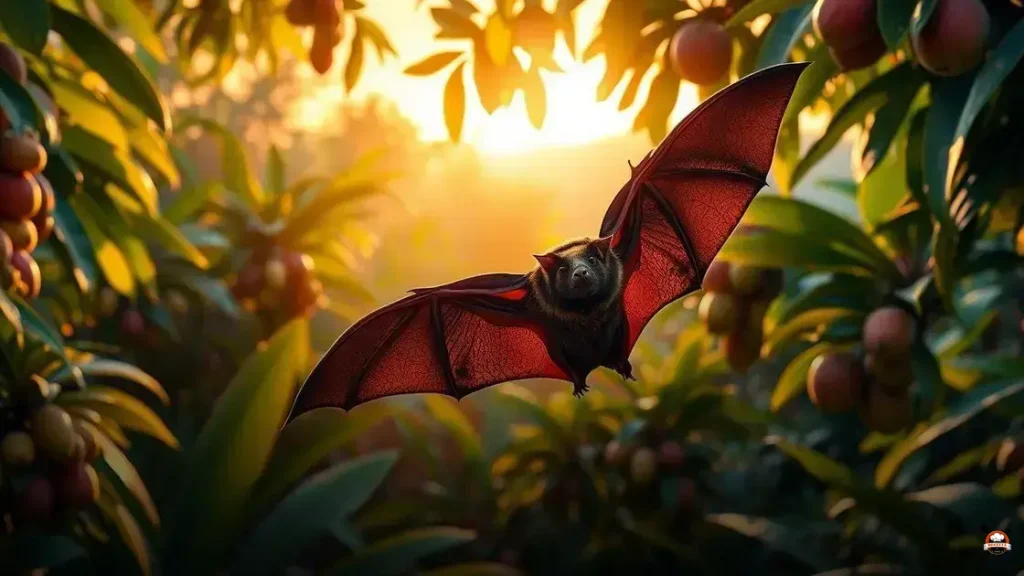
Fruit bats, also known as flying foxes, belong to the family Pteropodidae and are primarily found in tropical and subtropical regions. These bats are known for their large size and distinctive features, including long wingspans and keen eyesight. Unlike many other bat species that rely on echolocation, fruit bats have excellent vision and a strong sense of smell, which they use to locate ripe fruits. Their diet mainly consists of various fruits, nectar, and flowers, making them essential pollinators in their ecosystems.
Species of Bats That Eat Fruit
Several species of bats are known to consume fruit as a significant part of their diet. The most notable among these is the Pteropus genus, which includes the large fruit bats commonly found in the Pacific Islands and parts of Asia. Other species, such as the Artibeus and Sturnira genera, are also recognized for their frugivorous habits. These bats play a crucial role in seed dispersal, aiding in the growth of many fruit-bearing plants and trees.
Habitat Preferences of Fruit Bats
Fruit bats typically inhabit tropical rainforests, mangroves, and other lush environments where fruit-bearing plants are abundant. They prefer areas with a diverse range of flora, as this provides a constant supply of food throughout the year. Additionally, fruit bats often roost in large colonies in tall trees or caves, which offer protection from predators and harsh weather conditions.
Feeding Behavior of Fruit-Eating Bats
The feeding behavior of fruit bats is fascinating and varies among species. Most fruit bats are nocturnal, foraging for food during the night. They use their keen sense of smell to locate ripe fruits, often consuming them while hanging upside down. Some species have adapted to feed on specific fruits, while others are more generalist feeders, consuming a wide variety of fruits. Their feeding habits not only provide them with nourishment but also contribute to the health of their ecosystems.
The Role of Fruit Bats in Ecosystems
Fruit bats play a vital role in maintaining the health of their ecosystems. As they consume fruits, they inadvertently aid in seed dispersal, allowing new plants to grow in different areas. This process is essential for the regeneration of forests and the overall biodiversity of their habitats. Additionally, by pollinating flowers while feeding on nectar, fruit bats contribute to the reproduction of many plant species, further enhancing their ecological importance.
Threats to Fruit Bat Populations
Despite their ecological significance, fruit bat populations face numerous threats. Habitat destruction due to deforestation, urbanization, and agricultural expansion poses a significant risk to their survival. Additionally, hunting and the illegal wildlife trade have led to declines in certain species. Climate change also threatens their habitats and food sources, making conservation efforts crucial for their continued existence.
Conservation Efforts for Fruit Bats
Various organizations and governments are working to protect fruit bat populations and their habitats. Conservation efforts include establishing protected areas, promoting sustainable land-use practices, and raising awareness about the ecological importance of these bats. Additionally, research initiatives aim to better understand the behaviors and needs of fruit bats, which can inform effective conservation strategies.
Interesting Facts About Fruit Bats
Fruit bats are fascinating creatures with unique characteristics. For instance, some species can have wingspans of up to six feet, making them one of the largest bat families. They are also known for their social behavior, often roosting in large groups and engaging in grooming and vocalizations. Furthermore, fruit bats have a relatively long lifespan, with some individuals living over 20 years in the wild.
How to Spot Fruit Bats in the Wild
Spotting fruit bats in the wild can be an exciting experience for nature enthusiasts. They are most active during the evening and early morning hours. Observers can look for large silhouettes flying against the sunset or listen for their distinctive calls. Visiting areas known for fruit bat populations, such as tropical forests or coastal regions, increases the chances of encountering these remarkable animals.


