

Índice do Conteúdo
Understanding Berberine
Berberine is a bioactive compound found in several plants, renowned for its potential health benefits. It is primarily recognized for its role in regulating blood sugar levels, improving cholesterol profiles, and exhibiting antimicrobial properties. While berberine is not commonly associated with fruits, understanding its sources is crucial for those interested in natural health remedies.
Fruits Containing Berberine
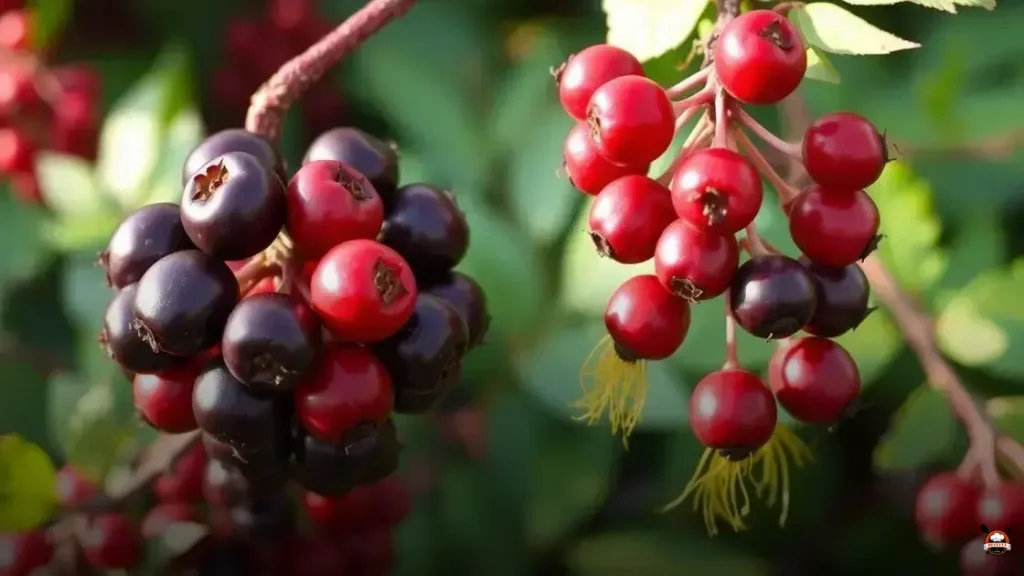
The primary fruit that contains berberine is the barberry (Berberis vulgaris). This small, tart berry is often used in traditional medicine and culinary applications. Barberries are rich in antioxidants and have been utilized for their health-promoting properties for centuries. Other fruits, while not direct sources of berberine, may contain related compounds that support similar health benefits.
Barberry: The Key Source
Barberry is a deciduous shrub whose berries are not only edible but also packed with berberine. The bright red berries are often used in Middle Eastern cuisine, adding a tangy flavor to dishes. In addition to their culinary uses, barberries have been studied for their potential to aid in weight loss and metabolic health, making them a valuable fruit for health-conscious individuals.
Other Plants with Berberine
In addition to barberry, other plants such as goldenseal (Hydrastis canadensis) and Oregon grape (Mahonia aquifolium) also contain berberine. While these are not fruits, they are often used in herbal medicine. Understanding the broader category of berberine-containing plants can help individuals explore various natural remedies that may complement their dietary choices.
Health Benefits of Berberine
Berberine has been extensively researched for its health benefits. It is known to support healthy blood sugar levels, making it a popular supplement for individuals with insulin resistance or type 2 diabetes. Additionally, berberine may help lower cholesterol levels and improve heart health, making it a compound of interest for those looking to enhance their overall well-being.
How to Incorporate Barberry into Your Diet
Incorporating barberry into your diet can be done in various ways. The dried berries can be added to salads, rice dishes, or used as a garnish for meats. Barberry extract is also available in supplement form, providing a concentrated dose of berberine for those seeking its health benefits without the tartness of the berries.
Potential Side Effects of Berberine
While berberine is generally considered safe for most people, it can cause gastrointestinal discomfort in some cases. Symptoms may include diarrhea, constipation, or stomach cramps. It is advisable to start with a lower dose and consult with a healthcare provider before adding berberine supplements to your regimen, especially for individuals with pre-existing health conditions.
Research on Berberine and Weight Loss
Recent studies have highlighted the potential of berberine in weight management. Research suggests that berberine may help regulate fat metabolism and improve insulin sensitivity, which can contribute to weight loss. As such, incorporating berberine-rich foods like barberry into a balanced diet may support weight loss efforts when combined with a healthy lifestyle.
Conclusion on Berberine and Its Sources
In summary, while the question “what fruit has berberine?” primarily points to barberry, it is essential to recognize the broader context of berberine-containing plants. Understanding these sources and their health benefits can empower individuals to make informed dietary choices that align with their health goals.


