

Índice do Conteúdo
What Fruit Makes Prunes?
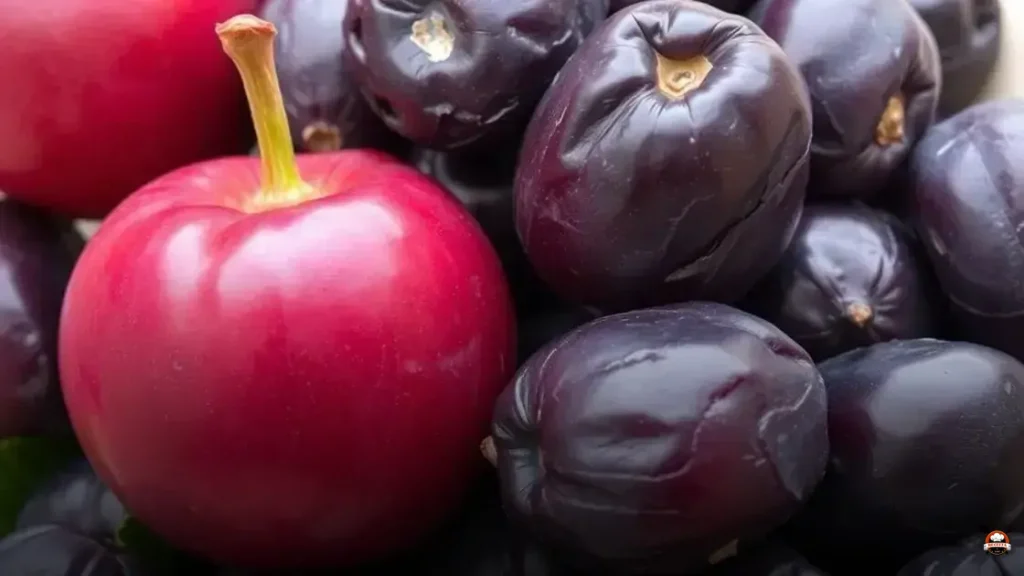
Prunes are dried plums, specifically derived from the European plum species known as Prunus domestica. This fruit is renowned for its natural sweetness and high fiber content, making it a popular choice for those seeking digestive health benefits. The process of drying plums to create prunes enhances their flavor and preserves their nutritional value, which is why they are often recommended for various dietary needs.
The Drying Process of Plums
The transformation of plums into prunes involves a meticulous drying process that can be done either naturally under the sun or through mechanical means. This process not only removes moisture but also concentrates the sugars, resulting in a chewy texture and a rich, sweet taste. The drying process is crucial as it affects the final product’s flavor profile and nutritional content, making prunes a unique fruit in the culinary world.
Nutritional Benefits of Prunes
Prunes are packed with essential nutrients, including dietary fiber, vitamins, and minerals. They are particularly high in potassium, which is vital for heart health, and vitamin K, which plays a significant role in bone health. Additionally, prunes contain sorbitol, a natural sugar alcohol that can aid in digestion and promote regular bowel movements, making them an excellent choice for those suffering from constipation.
Prunes in Culinary Uses
In the culinary realm, prunes are incredibly versatile. They can be used in both sweet and savory dishes, adding depth and richness to recipes. Chefs often incorporate prunes into sauces, stews, and baked goods, utilizing their natural sweetness to enhance flavors. Moreover, prunes can be enjoyed as a snack on their own or blended into smoothies for an added nutritional boost.
Health Benefits of Consuming Prunes
Regular consumption of prunes has been linked to numerous health benefits. Studies suggest that they may help lower cholesterol levels, improve gut health, and even support bone density. The high antioxidant content in prunes also contributes to their health-promoting properties, helping to combat oxidative stress and inflammation in the body.
How to Incorporate Prunes into Your Diet
Incorporating prunes into your diet can be both easy and enjoyable. They can be added to breakfast cereals, yogurt, or oatmeal for a nutritious start to the day. Additionally, prunes can be chopped and mixed into salads or used as a natural sweetener in baking recipes. Their unique flavor profile allows for creative culinary experimentation, making them a delightful addition to various dishes.
Choosing the Right Prunes
When selecting prunes, it is essential to look for high-quality products that are plump and moist. Organic prunes are often recommended, as they are free from synthetic pesticides and additives. Reading labels can help ensure that you are choosing prunes that are minimally processed and contain no added sugars or preservatives, maximizing their health benefits.
Storing Prunes for Freshness
To maintain the freshness and quality of prunes, proper storage is crucial. They should be kept in an airtight container in a cool, dark place, such as a pantry or refrigerator. When stored correctly, prunes can last for several months, allowing you to enjoy their health benefits and delicious flavor over an extended period.
Potential Side Effects of Prunes
While prunes are generally safe for most people, consuming them in excessive amounts may lead to digestive discomfort due to their high fiber content. It is advisable to introduce prunes gradually into your diet, especially for those who are not accustomed to high-fiber foods. Additionally, individuals with certain medical conditions should consult with a healthcare professional before significantly increasing their prune intake.


