

Índice do Conteúdo
What is the Biribá Fruit?
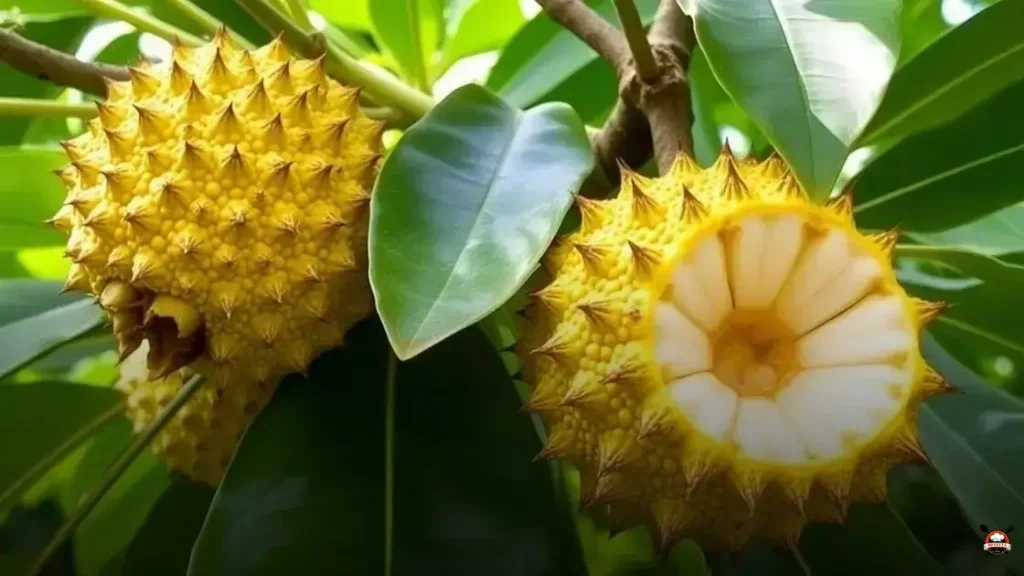
The biribá fruit, scientifically known as Annona mucosa, is a tropical fruit native to the Amazon rainforest and other regions of South America. This exotic fruit belongs to the Annonaceae family, which includes other well-known fruits such as cherimoya and soursop. The biribá is characterized by its unique appearance, with a green, spiky exterior that resembles a custard apple. Its flesh is creamy and sweet, making it a delightful treat for those who are fortunate enough to encounter it.
Physical Characteristics of Biribá
The biribá fruit typically measures between 10 to 20 centimeters in diameter and can weigh up to 1 kilogram. Its skin is thick and covered in soft spines, which protect the delicate flesh inside. When ripe, the fruit turns a yellowish-green color, and its aroma becomes sweet and fragrant. The inner pulp is white to light yellow, with a custard-like texture that is both smooth and creamy. The fruit contains several black seeds embedded within the pulp, which are not edible.
Nutritional Benefits of Biribá
Biribá is not only delicious but also packed with essential nutrients. It is rich in vitamins such as vitamin C, which boosts the immune system, and vitamin B6, which is important for brain health. Additionally, biribá contains dietary fiber, which aids in digestion and promotes gut health. The fruit is also a source of antioxidants, which help combat oxidative stress and reduce inflammation in the body. Consuming biribá can contribute to overall health and well-being.
Culinary Uses of Biribá
The biribá fruit is versatile and can be enjoyed in various culinary applications. It is often eaten fresh, either on its own or as part of fruit salads. The creamy texture of the pulp makes it an excellent ingredient for smoothies, desserts, and ice creams. In some cultures, biribá is used to make jams, jellies, and even beverages. Its sweet flavor pairs well with other tropical fruits, enhancing the overall taste of dishes.
Growing Conditions for Biribá
Biribá thrives in tropical climates, requiring warm temperatures and high humidity to grow successfully. It prefers well-drained, fertile soil and can be cultivated in both home gardens and commercial orchards. The tree can reach heights of up to 10 meters and produces fruit within three to four years after planting. Proper care, including regular watering and fertilization, is essential for healthy growth and fruit production.
Harvesting Biribá
Harvesting biribá is a delicate process, as the fruit does not ripen well once picked. It is crucial to wait until the fruit is fully mature, indicated by its change in color and aroma. Farmers typically harvest biribá by hand, gently twisting the fruit from the branch to avoid damaging the tree or the fruit itself. Once harvested, biribá should be consumed shortly after or stored in a cool, dry place to maintain its freshness.
Health Considerations
While biribá is generally safe for consumption, it is essential to be aware of potential allergies or sensitivities. Some individuals may experience digestive discomfort when consuming large quantities of the fruit due to its high fiber content. Additionally, the seeds of biribá are toxic if ingested in significant amounts, so it is advisable to remove them before consumption. Moderation is key to enjoying the health benefits of this tropical delight.
Biribá in Traditional Medicine
In various cultures, biribá has been utilized in traditional medicine for its potential health benefits. Some indigenous communities use the leaves and bark of the biribá tree to create herbal remedies for ailments such as fever and digestive issues. The fruit itself is also believed to have properties that can help with respiratory conditions and inflammation. However, scientific research on these medicinal uses is limited, and it is essential to consult healthcare professionals before using biribá for medicinal purposes.
Where to Find Biribá
Biribá is primarily found in tropical regions, particularly in countries like Brazil, Colombia, and Peru. While it may not be widely available in supermarkets outside of these areas, it can often be found in local markets or specialty stores that focus on exotic fruits. For those interested in trying biribá, visiting tropical regions or seeking out online retailers that specialize in exotic produce can be excellent options.


