

Índice do Conteúdo
- What Does the Durian Fruit Smell Like?
- The Chemical Composition of Durian Odor
- Regional Perceptions of Durian Smell
- Comparative Analysis of Durian Smell
- Impact of Ripeness on Durian Aroma
- Durian in Culinary Applications
- Health Benefits and Nutritional Value
- Durian’s Cultural Significance
- Personal Experiences with Durian Odor
- Conclusion: Embracing the Durian Experience
What Does the Durian Fruit Smell Like?
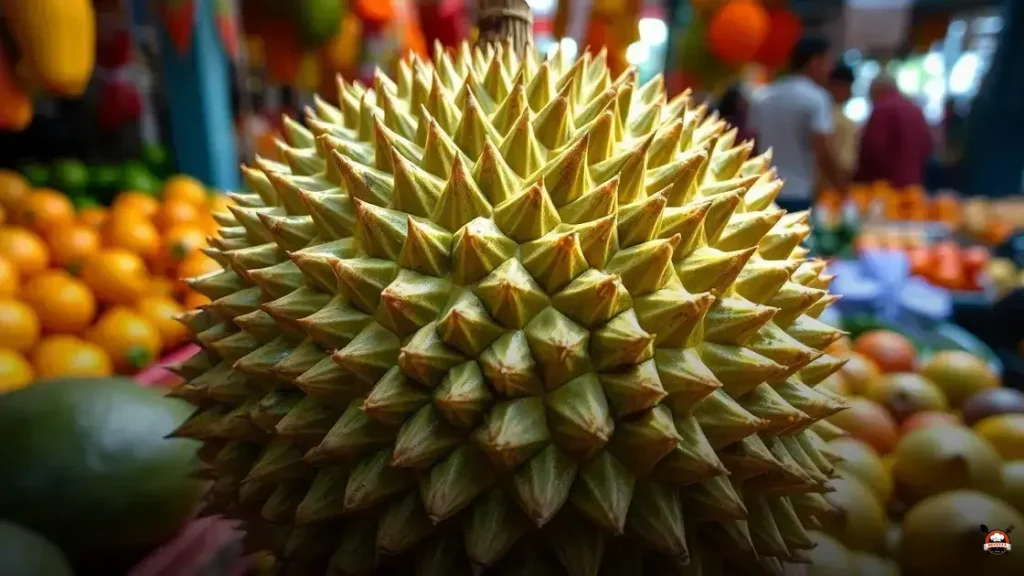
The durian fruit, often referred to as the “king of fruits,” is notorious for its strong and distinctive odor. The smell of durian is a complex amalgamation of various scents, often described as a combination of rotten onions, turpentine, and raw sewage. This unique aroma can be polarizing; while some people find it appealing, others are repulsed by it. The intensity of the smell can vary depending on the ripeness of the fruit, with overripe durians emitting a particularly pungent odor.
The Chemical Composition of Durian Odor
The characteristic smell of durian is primarily due to the presence of volatile sulfur compounds, which are responsible for the fruit’s strong and often unpleasant aroma. These compounds include ethanethiol, which has a smell reminiscent of rotten cabbage, and various other thiols that contribute to the overall scent profile. The combination of these chemicals creates a unique olfactory experience that is unlike any other fruit.
Regional Perceptions of Durian Smell
In Southeast Asia, where durian is a beloved delicacy, the smell is often embraced and celebrated. Many locals consider the aroma to be an integral part of the fruit’s charm. In contrast, in Western cultures, the smell of durian is often met with disgust and aversion. This cultural dichotomy highlights how perceptions of food odors can vary significantly across different regions and societies.
Comparative Analysis of Durian Smell
When comparing the smell of durian to other fruits, it stands out due to its intensity and complexity. For instance, while the smell of ripe bananas or strawberries is sweet and inviting, the durian’s odor is often described as overpowering and challenging to tolerate. This stark contrast makes durian a unique case study in the realm of fruit aromas, as it evokes strong reactions from those who encounter it.
Impact of Ripeness on Durian Aroma
The aroma of durian is heavily influenced by its ripeness. A perfectly ripe durian will have a strong, pungent smell that can fill a room, while an unripe durian may have a much milder scent. As the fruit ripens, the concentration of volatile compounds increases, leading to a more pronounced odor. This relationship between ripeness and smell is crucial for consumers who wish to enjoy the fruit at its peak flavor and aroma.
Durian in Culinary Applications
Despite its controversial smell, durian is used in various culinary applications, particularly in Southeast Asian cuisine. Chefs often incorporate durian into desserts, ice creams, and pastries, where its rich flavor can complement sweet dishes. The smell, while strong, can be masked or balanced with other ingredients, allowing for a more palatable experience for those who may be sensitive to its odor.
Health Benefits and Nutritional Value
Beyond its smell, durian is also known for its nutritional benefits. It is rich in vitamins, minerals, and antioxidants, making it a valuable addition to a balanced diet. The fruit contains high levels of vitamin C, potassium, and dietary fiber, which contribute to overall health. Understanding the nutritional value of durian can help consumers appreciate the fruit beyond its polarizing aroma.
Durian’s Cultural Significance
In many cultures, durian holds significant cultural importance. It is often featured in festivals and celebrations, symbolizing abundance and prosperity. The fruit’s strong smell is often associated with its rich flavor and cultural heritage, making it a beloved staple in many Southeast Asian households. This cultural significance adds another layer to the understanding of what the durian fruit smells like.
Personal Experiences with Durian Odor
Many individuals have unique personal experiences with the smell of durian. For some, the aroma evokes memories of childhood or family gatherings, while for others, it may represent a challenging culinary experience. These personal narratives contribute to the broader conversation about the fruit’s smell, highlighting how individual perceptions can shape our understanding of food and culture.
Conclusion: Embracing the Durian Experience
Ultimately, the smell of durian is an integral part of its identity as a fruit. While it may not be universally loved, it is a defining characteristic that sets durian apart from other fruits. Embracing the unique aroma of durian can lead to a deeper appreciation of its flavor and cultural significance, inviting adventurous eaters to explore the complexities of this fascinating fruit.


