

Índice do Conteúdo
Understanding the National Fruit of Brazil
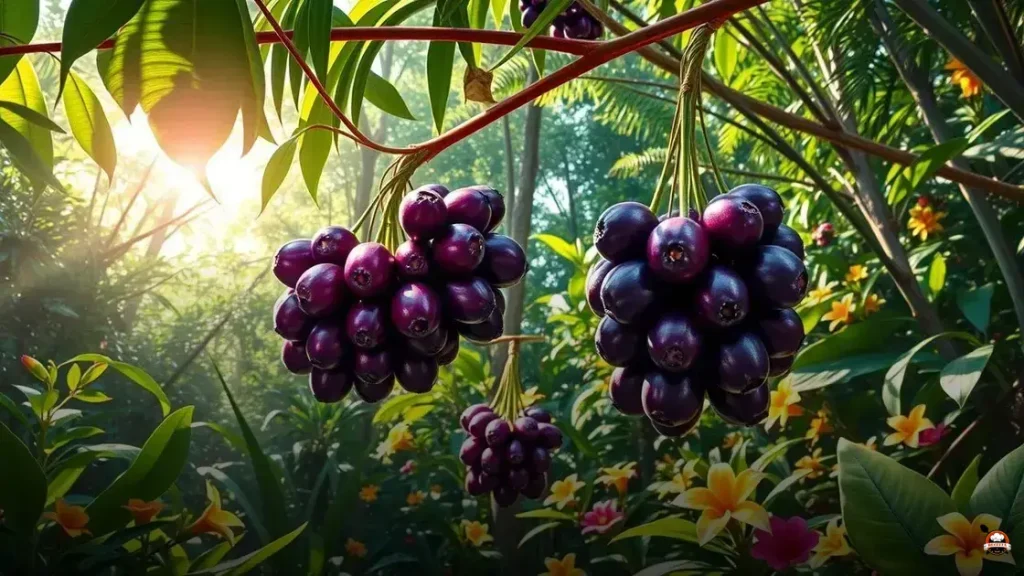
The national fruit of Brazil is the açaí berry, a small, dark purple fruit that grows on the açaí palm tree (Euterpe oleracea). This fruit is not only a staple in Brazilian cuisine but also a significant part of the country’s cultural identity. The açaí palm is native to the Amazon rainforest, where it thrives in the humid, tropical climate. The berries are harvested primarily for their pulp, which is rich in antioxidants, healthy fats, and essential nutrients.
The Nutritional Benefits of Açaí
Açaí berries are celebrated for their impressive nutritional profile. They are packed with antioxidants, particularly anthocyanins, which are responsible for their deep purple color. These antioxidants help combat oxidative stress and inflammation in the body. Additionally, açaí is a source of healthy omega-3, omega-6, and omega-9 fatty acids, which contribute to heart health and overall well-being. The fruit also contains fiber, vitamins A, C, and E, making it a nutritious addition to any diet.
Culinary Uses of Açaí in Brazilian Cuisine
In Brazil, açaí is commonly consumed as a frozen pulp, often blended into smoothies or bowls. Açaí bowls are typically topped with granola, banana slices, honey, and other fruits, making for a delicious and nutritious breakfast or snack. The fruit is also used in various desserts, beverages, and even savory dishes, showcasing its versatility in Brazilian culinary traditions. The popularity of açaí has spread beyond Brazil, becoming a trendy superfood in health-conscious communities worldwide.
The Cultural Significance of Açaí
Açaí holds a special place in Brazilian culture, particularly among the indigenous communities of the Amazon. For centuries, these communities have relied on the açaí palm for sustenance, using its fruit, leaves, and wood for various purposes. The berry is often associated with social gatherings and celebrations, symbolizing community and togetherness. As a result, açaí has become more than just a food item; it represents a connection to the land and its rich cultural heritage.
Harvesting and Sustainability of Açaí
The harvesting of açaí berries is a labor-intensive process that requires skilled workers to climb the tall açaí palm trees. Sustainability is a crucial aspect of açaí production, as overharvesting can lead to environmental degradation. Many producers are now adopting sustainable practices to ensure the long-term viability of açaí palms and the surrounding ecosystem. This includes promoting agroforestry systems that integrate açaí cultivation with other crops, benefiting both the environment and local communities.
Açaí and the Global Market
In recent years, the global demand for açaí has surged, leading to its recognition as a superfood. This increased popularity has opened up new markets for Brazilian farmers, providing them with economic opportunities. However, it has also raised concerns about the impact of commercialization on local communities and ecosystems. Ensuring fair trade practices and supporting local producers are essential to maintaining the integrity of açaí production and its benefits for Brazilian society.
Health Trends and Açaí
The rise of health trends emphasizing natural and organic foods has contributed to açaí’s popularity outside Brazil. Many health enthusiasts tout its benefits for weight loss, skin health, and energy levels. Açaí supplements, powders, and juices have flooded the market, making it accessible to a broader audience. However, it is essential to approach these products with caution, as some may contain added sugars or artificial ingredients that diminish their health benefits.
Challenges Facing Açaí Producers
Despite its popularity, açaí producers face several challenges, including climate change, deforestation, and market fluctuations. Changes in weather patterns can affect the growth and yield of açaí palms, while deforestation poses a threat to the Amazon rainforest and its biodiversity. Additionally, fluctuations in global demand can impact the livelihoods of local farmers. Addressing these challenges requires collaborative efforts between producers, governments, and consumers to promote sustainable practices and protect the environment.
Future of Açaí in Brazil
The future of açaí in Brazil looks promising, with continued interest in its health benefits and culinary versatility. As consumers become more aware of the importance of sustainability, there is an opportunity for açaí producers to adopt environmentally friendly practices that benefit both the ecosystem and local communities. By promoting responsible consumption and supporting fair trade initiatives, the açaí industry can thrive while preserving the rich cultural heritage associated with this national fruit.


