

Índice do Conteúdo
- Understanding Fruit Trees and Their Spacing Requirements
- Factors Influencing Spacing Between Fruit Trees
- Common Fruit Tree Spacing Guidelines
- Spacing for Specific Fruit Trees
- The Importance of Air Circulation
- Soil and Nutrient Considerations
- Adjusting Spacing for Companion Planting
- Spacing Considerations for Urban Gardens
- Long-Term Planning for Fruit Tree Growth
- Consulting Local Resources for Best Practices
Understanding Fruit Trees and Their Spacing Requirements
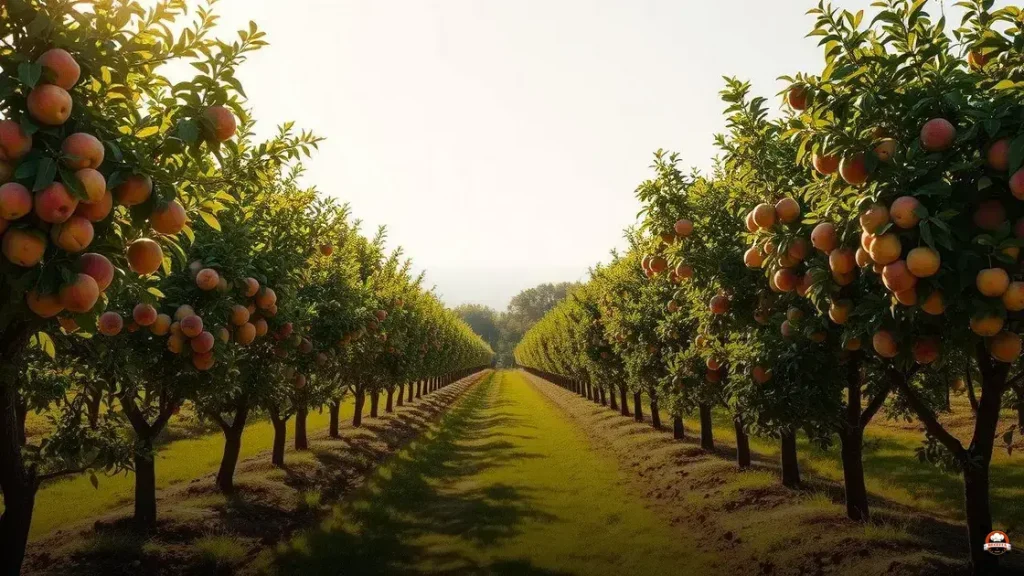
When planning a fruit tree garden, one of the most crucial considerations is the spacing between each tree. Proper spacing is essential for the healthy growth of the trees, as it allows for adequate sunlight, air circulation, and nutrient access. Different species of fruit trees have varying spacing requirements, influenced by their mature size and growth habits. Therefore, understanding the specific needs of each type of fruit tree is vital for successful planting.
Factors Influencing Spacing Between Fruit Trees
Several factors influence how far apart fruit trees should be planted. The most significant factors include the species of the tree, its root system, and its growth habit. For instance, dwarf varieties require less space than standard-sized trees. Additionally, the local climate and soil conditions can affect tree growth, necessitating adjustments in spacing. Understanding these factors can help gardeners make informed decisions about planting distances.
Common Fruit Tree Spacing Guidelines
As a general rule, standard fruit trees should be spaced 15 to 20 feet apart, while semi-dwarf varieties typically require 10 to 15 feet of space. Dwarf fruit trees, on the other hand, can be planted as close as 5 to 8 feet apart. These guidelines can vary based on the specific type of fruit tree and its growth characteristics, so it is essential to consult specific recommendations for each species.
Spacing for Specific Fruit Trees
For apple trees, a spacing of 15 to 20 feet is recommended for standard varieties, while semi-dwarf varieties can be spaced 10 to 15 feet apart. Peach trees generally require similar spacing, but some varieties may thrive with slightly closer distances. Citrus trees, particularly dwarf varieties, can be planted as close as 6 to 8 feet apart, making them ideal for smaller gardens.
The Importance of Air Circulation
Air circulation is a critical factor in the health of fruit trees. Proper spacing allows for better airflow, reducing the risk of fungal diseases and pests. When trees are planted too closely together, they can create a humid environment that fosters disease. Ensuring adequate space between trees not only promotes healthy growth but also enhances fruit quality and yield.
Soil and Nutrient Considerations
The quality of the soil and the availability of nutrients also play a significant role in determining how far apart to plant fruit trees. Trees that are spaced too closely may compete for nutrients, leading to stunted growth and poor fruit production. Conducting a soil test can help determine the nutrient levels and inform spacing decisions, ensuring that each tree has access to the resources it needs to thrive.
Adjusting Spacing for Companion Planting
Companion planting can also influence how far apart fruit trees should be planted. Some gardeners choose to plant flowers or vegetables alongside their fruit trees to enhance biodiversity and deter pests. In such cases, it may be necessary to adjust the spacing between trees to accommodate companion plants while still ensuring that each tree has enough room to grow.
Spacing Considerations for Urban Gardens
In urban settings, space is often limited, making it essential to maximize the use of available land. Dwarf fruit trees are particularly well-suited for small gardens, as they require less space and can still produce a significant yield. When planting in urban areas, consider vertical gardening techniques and container planting to optimize space while adhering to proper spacing guidelines.
Long-Term Planning for Fruit Tree Growth
When planting fruit trees, it is crucial to think long-term. Trees can take several years to reach maturity, and their spacing needs may change as they grow. Planning for the future involves considering the potential size of the trees at maturity and ensuring that they have enough space to develop without overcrowding. This foresight will lead to healthier trees and better fruit production over time.
Consulting Local Resources for Best Practices
Finally, consulting local agricultural extensions or gardening clubs can provide valuable insights into the best practices for planting fruit trees in your area. Local experts can offer guidance on specific spacing requirements based on regional climate and soil conditions. Utilizing these resources can enhance your understanding of how far apart to plant fruit trees, leading to a more fruitful and successful gardening experience.


