

Índice do Conteúdo
- Understanding Monk Fruit
- Caloric Content of Monk Fruit
- Comparing Monk Fruit to Other Sweeteners
- Health Benefits of Monk Fruit
- How to Use Monk Fruit in Cooking
- Potential Side Effects of Monk Fruit
- Monk Fruit and Weight Management
- Availability of Monk Fruit Products
- Conclusion: The Future of Monk Fruit in Diets
Understanding Monk Fruit
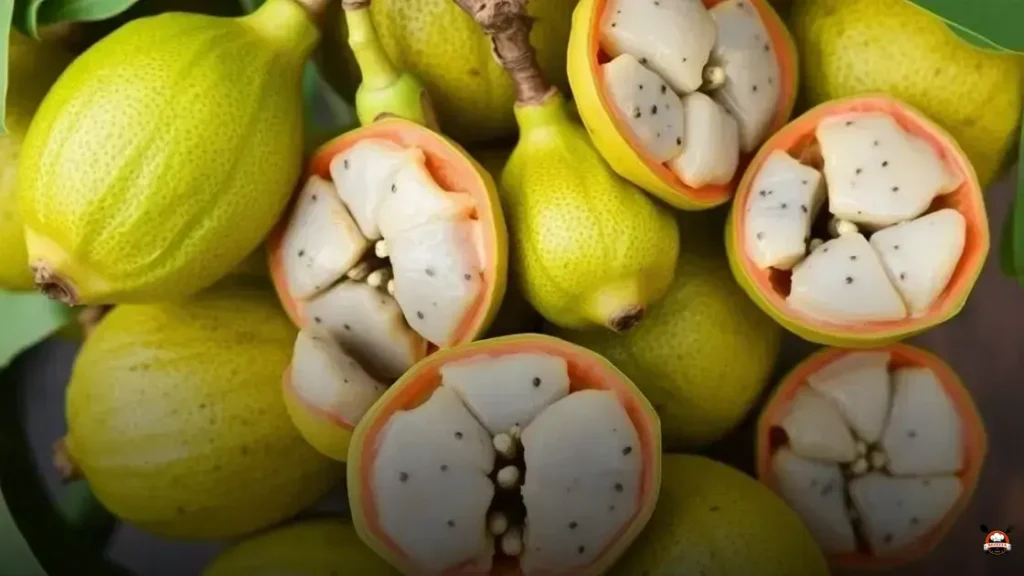
Monk fruit, also known as Luo Han Guo, is a small green gourd native to southern China. It has gained popularity as a natural sweetener due to its unique properties. Unlike traditional sugars, monk fruit contains mogrosides, which are compounds that provide sweetness without the calories typically associated with sugar. This makes monk fruit an appealing option for those seeking to reduce caloric intake while still enjoying sweet flavors in their culinary creations.
Caloric Content of Monk Fruit
When considering how many calories in monk fruit, it is essential to note that monk fruit extract is virtually calorie-free. The sweetness derived from monk fruit comes from its mogrosides, which do not contribute any significant calories to the diet. This characteristic makes monk fruit an excellent alternative for individuals looking to manage their weight or those on low-calorie diets. In fact, most monk fruit sweeteners contain less than 5 calories per serving, making them a popular choice among health-conscious consumers.
Comparing Monk Fruit to Other Sweeteners
In the realm of sweeteners, monk fruit stands out not only for its low-calorie content but also for its natural origin. Unlike artificial sweeteners, which may have adverse health effects, monk fruit is derived from a fruit that has been used for centuries in traditional Chinese medicine. When comparing how many calories in monk fruit to other sweeteners like sugar or high-fructose corn syrup, the differences are stark. For instance, a teaspoon of sugar contains approximately 16 calories, while monk fruit sweeteners offer a negligible caloric contribution.
Health Benefits of Monk Fruit
Beyond its low-calorie profile, monk fruit is also associated with several health benefits. It is rich in antioxidants, which can help combat oxidative stress in the body. Additionally, monk fruit may have anti-inflammatory properties, making it a beneficial addition to a balanced diet. For those monitoring their blood sugar levels, monk fruit’s ability to provide sweetness without raising blood glucose levels is particularly advantageous, making it suitable for diabetics and those following ketogenic diets.
How to Use Monk Fruit in Cooking
Incorporating monk fruit into your culinary repertoire is straightforward. Monk fruit sweeteners can be used in a variety of recipes, from baking to beverages. When substituting monk fruit for sugar, it is crucial to understand the conversion ratios, as monk fruit is significantly sweeter than sugar. Typically, a small amount of monk fruit extract can replace a larger quantity of sugar, allowing for reduced caloric intake without sacrificing flavor.
Potential Side Effects of Monk Fruit
While monk fruit is generally considered safe for most people, some individuals may experience mild digestive issues when consuming large amounts. It is advisable to start with small quantities to assess tolerance. Additionally, those with allergies to melons or related fruits should exercise caution, as monk fruit is part of the gourd family. Always consult with a healthcare provider if you have concerns about incorporating monk fruit into your diet.
Monk Fruit and Weight Management
For individuals focused on weight management, understanding how many calories in monk fruit can be a game-changer. By replacing high-calorie sweeteners with monk fruit, one can significantly reduce overall caloric intake while still enjoying sweet flavors. This can lead to better adherence to dietary goals and may support weight loss efforts. As part of a balanced diet, monk fruit can help satisfy sweet cravings without the guilt associated with traditional sugary foods.
Availability of Monk Fruit Products
Monk fruit sweeteners are widely available in health food stores and online. They come in various forms, including liquid extracts, granulated powders, and blends with other low-calorie sweeteners. When purchasing monk fruit products, it is essential to read labels carefully to ensure you are getting a pure product without added sugars or fillers. This will help you maximize the health benefits and caloric savings associated with monk fruit.
Conclusion: The Future of Monk Fruit in Diets
As more people become aware of the health implications of sugar consumption, monk fruit is likely to continue gaining traction as a preferred sweetener. Its low-caloric content, combined with its natural origins and health benefits, positions monk fruit as a valuable addition to modern diets. Whether you are baking, cooking, or sweetening your beverages, monk fruit offers a delicious way to enjoy sweetness without the calories.


