

Índice do Conteúdo
- Understanding Monk Fruit as a Sugar Substitute
- Conversion Ratio of Monk Fruit to Sugar
- Why Use Monk Fruit Instead of Sugar?
- Measuring Monk Fruit Sweeteners
- Cooking and Baking with Monk Fruit
- Potential Side Effects of Monk Fruit
- Comparing Monk Fruit to Other Sweeteners
- Storing Monk Fruit Sweeteners
- Recipes Using Monk Fruit Sweetener
- Final Thoughts on Monk Fruit Usage
Understanding Monk Fruit as a Sugar Substitute
Monk fruit, also known as Luo Han Guo, is a small green gourd native to southern China. It has gained popularity as a natural sweetener due to its intense sweetness, which is attributed to compounds called mogrosides. These mogrosides are not only sweet but also have zero calories, making monk fruit an attractive alternative for those looking to reduce sugar intake. When considering how much monk fruit equals a cup of sugar, it is essential to understand the conversion ratios and the unique properties of this sweetener.
Conversion Ratio of Monk Fruit to Sugar
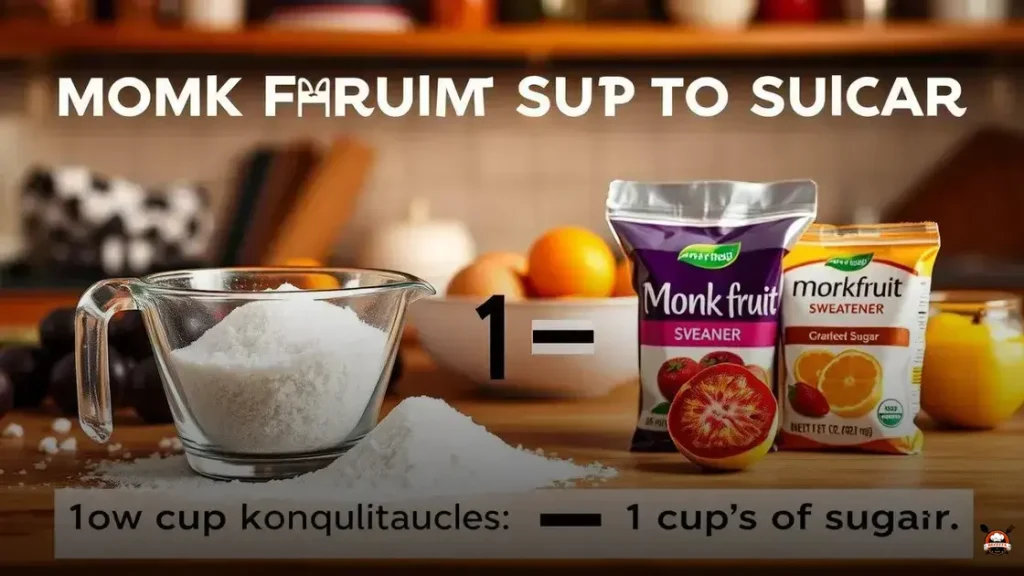
When substituting monk fruit for sugar, the conversion ratio can vary depending on the form of monk fruit used. Monk fruit sweeteners are often available in concentrated liquid or powdered forms. Generally, a common guideline is that one cup of sugar can be replaced with about 1/4 cup of monk fruit sweetener. However, this can differ based on the specific product and its concentration, so it is crucial to check the packaging for precise measurements.
Why Use Monk Fruit Instead of Sugar?
Choosing monk fruit over traditional sugar offers several health benefits. It has a low glycemic index, meaning it does not cause spikes in blood sugar levels, making it suitable for diabetics and those managing their weight. Additionally, monk fruit is rich in antioxidants, which can help combat oxidative stress in the body. Understanding how much monk fruit equals a cup of sugar is vital for those looking to maintain a healthier lifestyle while still enjoying sweet flavors.
Measuring Monk Fruit Sweeteners
When measuring monk fruit sweeteners, it is essential to consider the form you are using. For powdered monk fruit, a tablespoon may provide a sweetness level comparable to a tablespoon of sugar, while liquid monk fruit sweeteners may require different measurements. Always refer to the manufacturer’s guidelines for the most accurate conversions. This ensures that recipes maintain their intended sweetness and flavor profile.
Cooking and Baking with Monk Fruit
Using monk fruit in cooking and baking can yield excellent results, but adjustments may be necessary. Since monk fruit is much sweeter than sugar, recipes may require less of it to achieve the desired sweetness. Additionally, because sugar contributes to the texture and moisture in baked goods, it may be necessary to add other ingredients, such as applesauce or yogurt, to maintain the recipe’s integrity when substituting monk fruit.
Potential Side Effects of Monk Fruit
While monk fruit is generally considered safe for most people, some may experience digestive issues when consuming large amounts. As with any sweetener, moderation is key. It is also important to note that monk fruit sweeteners are often blended with other sweeteners, such as erythritol, which may have their own side effects. Understanding how much monk fruit equals a cup of sugar can help mitigate any potential adverse effects by allowing for controlled usage.
Comparing Monk Fruit to Other Sweeteners
When considering alternatives to sugar, monk fruit stands out among other sweeteners like stevia and agave syrup. Each sweetener has its unique flavor profile and health benefits. Monk fruit is particularly favored for its natural origin and lack of aftertaste, which can be a concern with some artificial sweeteners. Knowing how much monk fruit equals a cup of sugar can help consumers make informed choices about which sweetener best suits their needs.
Storing Monk Fruit Sweeteners
Proper storage of monk fruit sweeteners is essential to maintain their quality and sweetness. Monk fruit should be kept in a cool, dry place, away from direct sunlight. If stored correctly, monk fruit sweeteners can last for an extended period without losing their flavor. Understanding how much monk fruit equals a cup of sugar can help users keep track of their inventory and usage, ensuring they always have the right amount on hand for their culinary needs.
Recipes Using Monk Fruit Sweetener
Incorporating monk fruit into recipes can be a delightful way to enjoy sweetness without the calories of sugar. From baked goods to beverages, monk fruit can be used in various dishes. Popular recipes include monk fruit sweetened cookies, smoothies, and sauces. Knowing how much monk fruit equals a cup of sugar allows for easy adaptation of traditional recipes, making it simple to enjoy favorite treats without compromising health goals.
Final Thoughts on Monk Fruit Usage
As the demand for healthier sweetening options continues to rise, monk fruit has established itself as a leading choice among natural sweeteners. Its unique properties and health benefits make it an excellent alternative for those looking to reduce sugar intake. By understanding how much monk fruit equals a cup of sugar, individuals can confidently incorporate this sweetener into their diets, enhancing their culinary experiences while promoting better health.


