

Índice do Conteúdo
- Understanding Fruit Flies
- Identifying Fruit Fly Infestations
- Preventing Fruit Fly Breeding
- Using Traps to Capture Fruit Flies
- Natural Remedies for Fruit Fly Control
- Chemical Solutions for Severe Infestations
- Maintaining Plant Health to Deter Fruit Flies
- Cleaning Up After Infestations
- Monitoring for Future Infestations
Understanding Fruit Flies
Fruit flies, scientifically known as Drosophila melanogaster, are small insects that are commonly found in homes, especially in kitchens and areas where fruits are stored. These pests are attracted to overripe or decaying fruits and vegetables, making them a nuisance for plant enthusiasts and gardeners alike. Understanding their life cycle and behavior is crucial for effectively managing their presence on your plants.
Identifying Fruit Fly Infestations
To effectively get rid of fruit flies on plants, it is essential to identify the signs of an infestation. Look for small, flying insects around your plants, particularly near any decaying organic matter. You may also notice tiny eggs or larvae on the surface of the soil or on the leaves of your plants. Early detection can help prevent a larger infestation and protect your plants from damage.
Preventing Fruit Fly Breeding
Prevention is key when it comes to managing fruit flies. To reduce the likelihood of an infestation, ensure that you store fruits and vegetables in sealed containers and regularly clean up any spills or debris in your kitchen and garden. Additionally, avoid overwatering your plants, as damp soil can attract fruit flies looking for a breeding ground.
Using Traps to Capture Fruit Flies
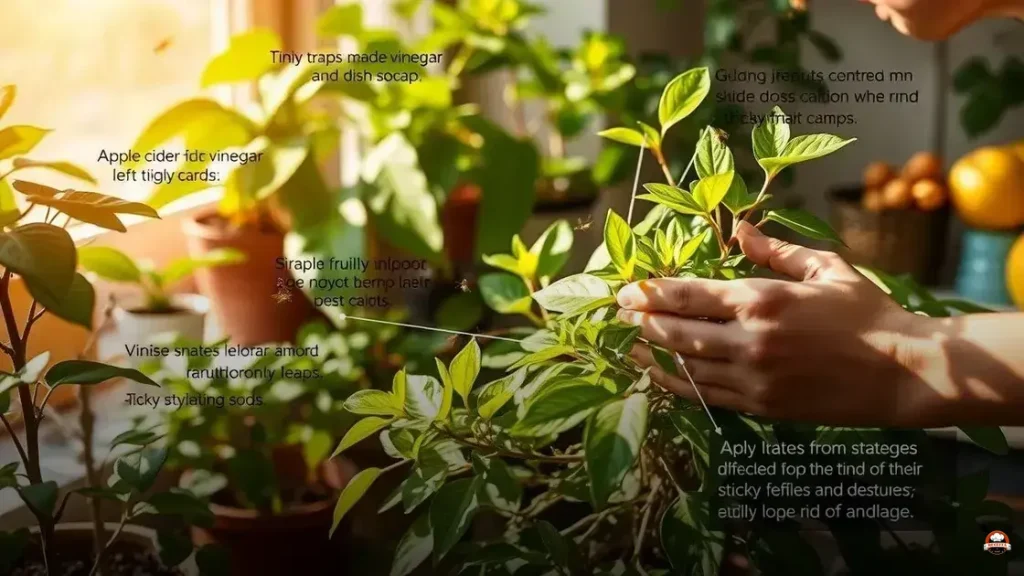
One effective method for getting rid of fruit flies on plants is to use traps. You can create simple traps using apple cider vinegar or wine in a bowl, covered with plastic wrap with small holes poked in it. The scent of the vinegar or wine attracts the flies, and once they enter, they cannot escape. Place these traps near your plants to catch any adult fruit flies.
Natural Remedies for Fruit Fly Control
There are several natural remedies that can help control fruit fly populations. A mixture of water, dish soap, and vinegar can be sprayed directly onto the plants to deter fruit flies. Additionally, essential oils such as peppermint or eucalyptus can be used as a natural repellent. These methods are safe for your plants and the environment while effectively reducing fruit fly numbers.
Chemical Solutions for Severe Infestations
In cases of severe fruit fly infestations, chemical solutions may be necessary. Insecticidal soaps or sprays specifically designed for fruit flies can be applied to affected plants. Always follow the manufacturer’s instructions and ensure that the product is safe for use on edible plants if you are growing fruits or vegetables.
Maintaining Plant Health to Deter Fruit Flies
Healthy plants are less susceptible to fruit fly infestations. Regularly check your plants for signs of stress or disease, as unhealthy plants can attract pests. Ensure that your plants receive adequate light, water, and nutrients to promote robust growth. A well-maintained garden is less likely to become a breeding ground for fruit flies.
Cleaning Up After Infestations
After successfully getting rid of fruit flies on your plants, it is essential to clean up any remnants of the infestation. Dispose of any overripe fruits or vegetables that may have attracted the flies in the first place. Clean the area around your plants thoroughly to remove any eggs or larvae that may still be present, preventing future infestations.
Monitoring for Future Infestations
Once you have dealt with a fruit fly infestation, ongoing monitoring is crucial. Regularly inspect your plants and surrounding areas for any signs of fruit flies returning. Setting up traps as a preventive measure can help catch any new flies before they establish a breeding population. Staying vigilant will help keep your plants healthy and pest-free.


