

Índice do Conteúdo
Understanding Kiwi Fruit Cultivation
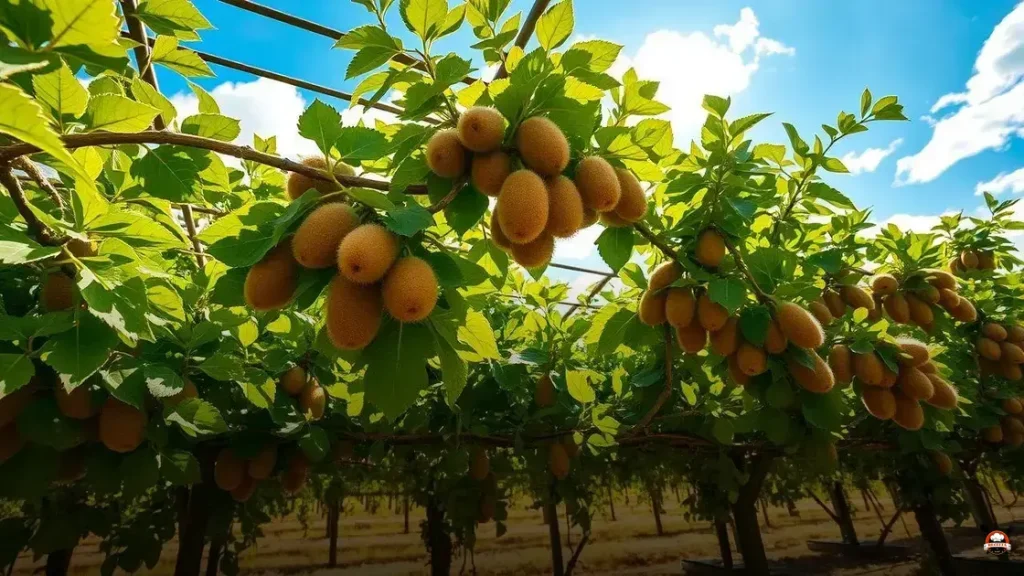
Kiwi fruit, also known as Actinidia deliciosa, is a delicious and nutritious fruit that thrives in temperate climates. To successfully grow kiwi fruit, it is essential to understand its specific growing requirements, including soil type, climate, and care practices. Kiwi plants are vigorous climbers and require support structures such as trellises to grow effectively.
Choosing the Right Variety
When learning how to kiwi fruit grow, selecting the appropriate variety is crucial. There are several types of kiwi, including the hardy kiwi (Actinidia arguta) and the common kiwi (Actinidia deliciosa). Hardy kiwis can withstand colder temperatures, making them suitable for regions with harsh winters. In contrast, common kiwis prefer milder climates and are more susceptible to frost.
Soil Preparation for Kiwi Plants
Kiwi fruit plants thrive in well-drained, fertile soil with a pH level between 6.0 and 7.0. Before planting, it is advisable to amend the soil with organic matter, such as compost or well-rotted manure, to enhance fertility and drainage. Conducting a soil test can provide valuable information about nutrient levels and pH, allowing for proper amendments to be made.
Planting Kiwi Fruit
When planting kiwi fruit, timing is essential. The best time to plant kiwi is in the spring after the last frost. Space the plants about 10 to 15 feet apart to allow for their vigorous growth. Dig a hole that is twice the width of the root ball and deep enough to accommodate the roots without bending. Backfill the hole with soil and water thoroughly to eliminate air pockets.
Watering Requirements
Proper watering is vital for kiwi fruit growth. Kiwi plants require consistent moisture, especially during the growing season. However, overwatering can lead to root rot, so it is crucial to strike a balance. A deep watering once a week is generally sufficient, but this may vary based on climate and soil conditions. Mulching around the base of the plants can help retain soil moisture.
Fertilizing Kiwi Plants
Fertilization plays a significant role in how to kiwi fruit grow successfully. A balanced fertilizer, such as a 10-10-10 NPK formula, can be applied in early spring as new growth begins. Additionally, side-dressing with organic compost during the growing season can provide essential nutrients. It is important to avoid over-fertilizing, as this can lead to excessive foliage growth at the expense of fruit production.
Pest and Disease Management
Kiwi plants are susceptible to various pests and diseases, including aphids, spider mites, and fungal infections. Regular monitoring of the plants for signs of infestation is crucial. Implementing integrated pest management (IPM) strategies, such as introducing beneficial insects and using organic pesticides, can help control pest populations while minimizing chemical use.
Pruning Kiwi Plants
Pruning is an essential practice in kiwi fruit cultivation that promotes healthy growth and fruit production. The best time to prune kiwi plants is during the dormant season, typically in late winter or early spring. Remove any dead or diseased wood, as well as excessive growth that may hinder air circulation. Proper pruning encourages better sunlight penetration and improves fruit quality.
Harvesting Kiwi Fruit
Knowing when to harvest kiwi fruit is crucial for optimal flavor and texture. Kiwi fruit typically ripens in late fall, and the best time to harvest is when the fruit is slightly soft to the touch. It is advisable to pick the fruit before the first frost to prevent damage. Kiwi can be stored in a cool, dry place to ripen further if harvested early.
Storing and Enjoying Kiwi Fruit
After harvesting, kiwi fruit can be stored in the refrigerator for several weeks. To enjoy kiwi, simply slice it in half and scoop out the flesh with a spoon, or peel it and slice it for salads and desserts. Kiwi is not only delicious but also packed with vitamins and antioxidants, making it a healthy addition to any diet.


