

Índice do Conteúdo
Understanding Cheese and Fruit Platters
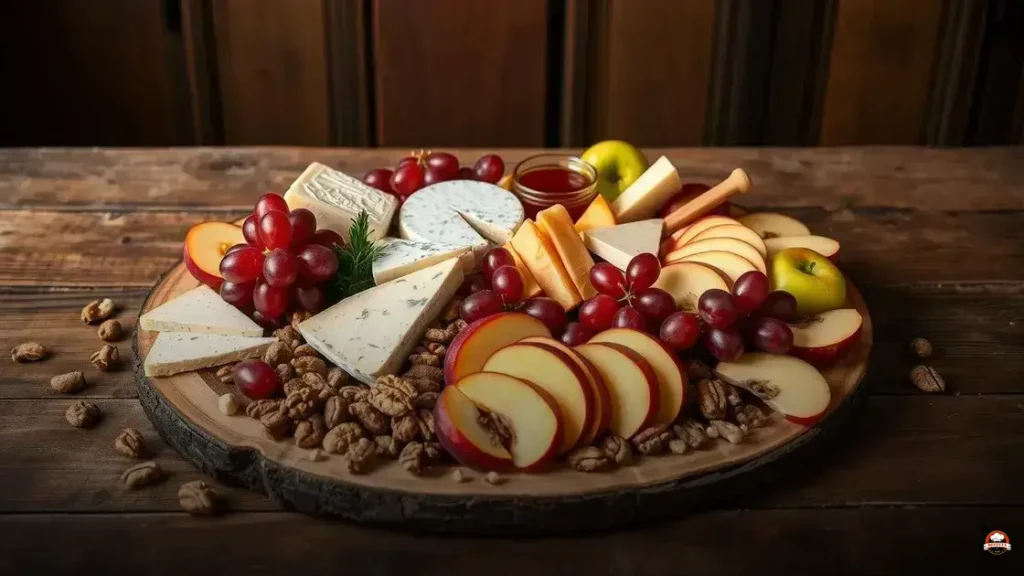
A cheese and fruit platter is an exquisite arrangement that combines various types of cheeses with fresh fruits, creating a visually appealing and flavorful experience. This culinary delight is perfect for gatherings, parties, or even a simple family dinner. The key to crafting a successful platter lies in the selection of ingredients, presentation, and balance of flavors.
Selecting the Right Cheeses
When learning how to make a cheese and fruit platter, the first step is selecting the right cheeses. A diverse selection can include soft cheeses like Brie and Camembert, hard cheeses such as aged Cheddar and Gouda, and blue cheeses like Roquefort. Each cheese offers a unique flavor profile and texture, contributing to the overall experience of the platter. Aim for a balance of creamy, crumbly, and sharp cheeses to satisfy various palates.
Choosing Fresh Fruits
Fruits play a crucial role in enhancing the flavors of your cheese and fruit platter. Opt for a mix of sweet and tart fruits, such as grapes, strawberries, figs, and apples. Seasonal fruits not only add freshness but also vibrant colors to your platter. Consider including dried fruits like apricots or dates for added texture and sweetness, which can beautifully complement the saltiness of certain cheeses.
Incorporating Accompaniments
To elevate your cheese and fruit platter, consider adding various accompaniments. Nuts, such as almonds or walnuts, provide a crunchy contrast to the creamy cheeses. Honey or fruit preserves can add a touch of sweetness, while crackers or bread offer a base for spreading cheese. These elements enhance the tasting experience and allow guests to customize their bites according to their preferences.
Arranging the Platter
The arrangement of your cheese and fruit platter is vital for visual appeal. Start by placing the cheeses on the platter, spaced apart to allow for easy access. Next, fill in the gaps with fruits, ensuring a mix of colors and shapes. Use small bowls for dips or spreads, and scatter nuts and crackers around the platter. The goal is to create an inviting and aesthetically pleasing display that encourages guests to indulge.
Pairing with Beverages
When considering how to make a cheese and fruit platter, beverage pairing is essential. Wines, particularly white wines like Sauvignon Blanc or sparkling wines, complement the flavors of cheese and fruit beautifully. For non-alcoholic options, consider serving sparkling water or herbal teas that can cleanse the palate between bites. The right beverage can enhance the overall experience of your platter.
Serving Temperature
Serving temperature significantly impacts the flavor and texture of cheeses. It is advisable to take cheeses out of the refrigerator about 30 minutes before serving. This allows them to reach room temperature, enhancing their flavors and making them easier to slice. Fruits should also be fresh and at the right temperature to ensure they are juicy and flavorful when served.
Dietary Considerations
When preparing a cheese and fruit platter, it’s important to consider dietary restrictions and preferences. Offering a variety of cheeses, including lactose-free options, can accommodate guests with dietary sensitivities. Additionally, incorporating vegan cheeses made from nuts or soy can ensure that everyone can enjoy the platter. Always label the cheeses and accompaniments to inform guests of potential allergens.
Creative Presentation Ideas
To make your cheese and fruit platter stand out, consider creative presentation ideas. Use different types of platters, such as wooden boards or slate tiles, to add a rustic touch. Garnishing with fresh herbs like rosemary or mint can add a pop of color and aroma. You can also create themed platters based on seasonal ingredients or specific flavor profiles, making your presentation unique and memorable.
Storing Leftovers
If you have leftovers from your cheese and fruit platter, proper storage is key to maintaining freshness. Wrap any remaining cheese in parchment paper and place it in an airtight container in the refrigerator. Fruits should be stored separately to prevent them from bruising. Most cheeses can last several days when stored correctly, allowing you to enjoy your platter for longer.


