

Índice do Conteúdo
Understanding Diet Fruit Smoothies
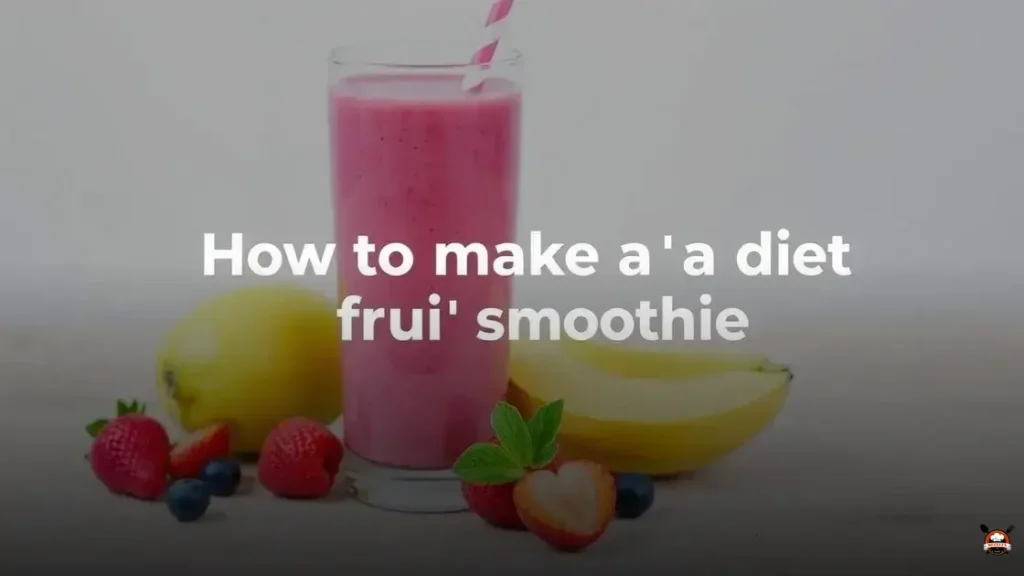
A diet fruit smoothie is a blended beverage made primarily from fruits, designed to be low in calories while providing essential nutrients. These smoothies can be a great addition to a weight-loss plan, as they are often rich in vitamins, minerals, and fiber, which can help keep you feeling full and satisfied. The key to creating a successful diet fruit smoothie lies in selecting the right ingredients and balancing flavors to create a delicious and nutritious drink.
Choosing the Right Fruits
When learning how to make a diet fruit smoothie, the first step is selecting the right fruits. Opt for fresh or frozen fruits that are low in sugar and high in fiber, such as berries, apples, and citrus fruits. These fruits not only provide natural sweetness but also pack a punch of antioxidants and vitamins. Avoid using overly ripe fruits, as they tend to have higher sugar content, which can counteract your diet goals.
Incorporating Vegetables
Adding vegetables to your diet fruit smoothie can enhance its nutritional profile without significantly increasing calories. Leafy greens like spinach or kale are excellent choices, as they blend well and add a wealth of vitamins and minerals. Cucumbers and avocados can also be included for added creaminess and healthy fats. This combination not only boosts the nutrient content but also helps in achieving a balanced flavor.
Choosing a Base Liquid
The base liquid you choose for your diet fruit smoothie can affect its overall calorie count and texture. Water, unsweetened almond milk, or coconut water are great low-calorie options that can keep the smoothie light and refreshing. Avoid using fruit juices or sweetened dairy products, as they can add unnecessary sugars and calories. The right base will help achieve the desired consistency while keeping the smoothie diet-friendly.
Adding Protein Sources
To make your diet fruit smoothie more filling and nutritionally balanced, consider adding a source of protein. Options like Greek yogurt, protein powder, or nut butter can enhance the smoothie’s texture and provide essential amino acids. This addition can help stabilize blood sugar levels and keep you satiated for longer periods, making it an ideal choice for a meal replacement or post-workout recovery.
Sweetening Your Smoothie
If you find that your diet fruit smoothie needs a little extra sweetness, consider using natural sweeteners like stevia or monk fruit. These options provide sweetness without the added calories and sugar found in traditional sweeteners. Additionally, using ripe bananas or dates can add a natural sweetness while contributing to the overall flavor profile of the smoothie.
Blending Techniques
When it comes to blending your diet fruit smoothie, the technique can make a significant difference in texture. Start by adding the liquid base first, followed by the softer ingredients like yogurt or bananas, and then the harder fruits and vegetables. This layering helps ensure that everything blends smoothly without leaving chunks. Blend on high until the mixture is creamy and well combined, adjusting the consistency with additional liquid if necessary.
Portion Control
Understanding portion control is crucial when learning how to make a diet fruit smoothie. While smoothies can be healthy, they can also be calorie-dense if not portioned correctly. A standard serving size is typically around 8 to 12 ounces. Using a measuring cup can help you keep track of your portions, ensuring that you stay within your dietary goals while enjoying your smoothie.
Storing Your Smoothie
If you prepare your diet fruit smoothie in advance, proper storage is essential to maintain freshness and flavor. Store your smoothie in an airtight container in the refrigerator for up to 24 hours. For longer storage, consider freezing portions in ice cube trays or freezer bags. When ready to consume, simply blend again to restore the desired consistency.
Experimenting with Flavors
One of the best aspects of making a diet fruit smoothie is the ability to experiment with different flavors and ingredients. Don’t hesitate to try new combinations of fruits, vegetables, and add-ins like spices or superfoods. Ingredients like chia seeds, flaxseeds, or cacao powder can enhance the nutritional value while adding unique flavors. Keep track of your favorite combinations to create a personalized smoothie repertoire.


