

Índice do Conteúdo
Understanding Solar Fruit Dehydrators
A solar fruit dehydrator is an eco-friendly device that utilizes the sun’s energy to remove moisture from fruits, preserving them for long-term storage. This method of dehydration is not only sustainable but also enhances the natural flavors and nutritional value of the fruits. By harnessing solar power, you can create a simple yet effective dehydrator that can be used in various climates, making it an ideal choice for those interested in sustainable cooking practices.
Materials Needed for Construction
To build a solar fruit dehydrator, you will need several materials that are easily accessible. Common items include a wooden frame, mesh screens for airflow, black paint to absorb heat, and clear plastic or glass for the cover. Additionally, you may require hinges for the door and screws for assembly. Selecting the right materials is crucial for ensuring that your dehydrator is efficient and durable, allowing it to withstand outdoor conditions while effectively drying fruits.
Designing Your Solar Fruit Dehydrator
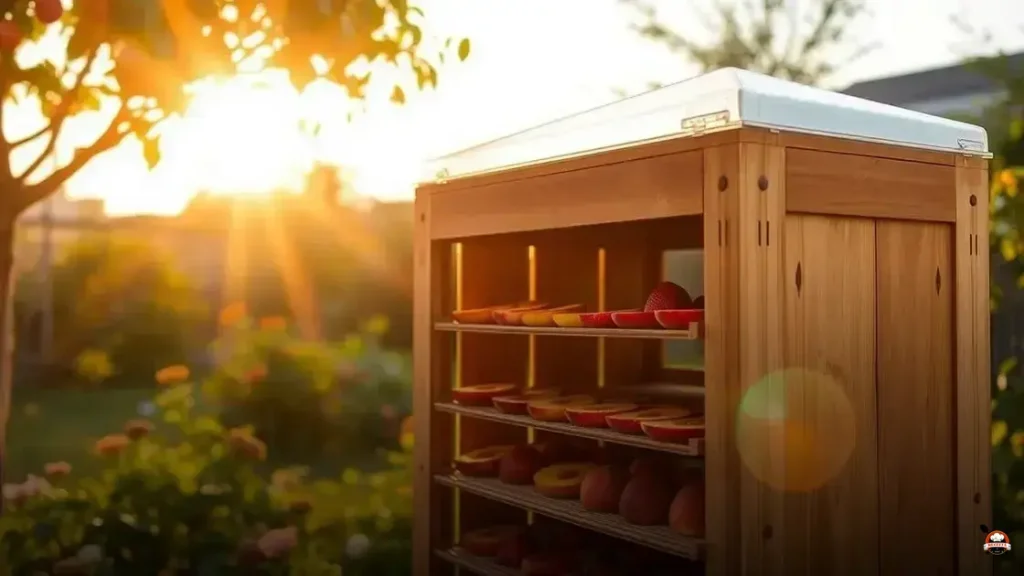
The design of your solar fruit dehydrator plays a significant role in its efficiency. A simple box design with a slanted roof maximizes sun exposure and allows for proper airflow. The interior should be lined with mesh screens to hold the fruit while permitting moisture to escape. It’s essential to ensure that the dehydrator is well-ventilated, as this will facilitate the drying process and prevent mold growth. Consider incorporating a thermometer to monitor the internal temperature, ensuring optimal drying conditions.
Preparing Fruits for Dehydration
Before placing fruits in the dehydrator, proper preparation is key to achieving the best results. Start by washing the fruits thoroughly to remove any dirt or pesticides. Next, slice the fruits into uniform pieces to ensure even drying. Some fruits, like apples and pears, benefit from being dipped in a solution of lemon juice and water to prevent browning. This step not only preserves the color but also enhances the flavor profile of the dried fruit.
Setting Up the Dehydrator
Once your solar fruit dehydrator is constructed and your fruits are prepared, it’s time to set up the dehydrator. Place the dehydrator in a location that receives direct sunlight for most of the day. Position it at an angle to maximize sun exposure, and ensure that the vents are unobstructed to allow for proper airflow. Depending on the design, you may need to adjust the angle throughout the day to follow the sun’s path, optimizing the drying process.
Monitoring the Drying Process
Monitoring the drying process is essential to achieve the desired texture and flavor of the dried fruits. Depending on the type of fruit and the weather conditions, drying can take anywhere from several hours to a couple of days. Regularly check the fruits for doneness, looking for a leathery texture without any moisture. It’s important to rotate the trays if your dehydrator has multiple levels to ensure even drying across all fruits.
Storing Dried Fruits
Once the fruits are adequately dried, proper storage is crucial to maintain their quality. Allow the dried fruits to cool before transferring them to airtight containers. Glass jars, vacuum-sealed bags, or mylar bags with oxygen absorbers are excellent options for long-term storage. Keep the containers in a cool, dark place to prevent exposure to light and moisture, which can lead to spoilage. Properly stored dried fruits can last for months, providing a healthy snack option.
Benefits of Using a Solar Fruit Dehydrator
Using a solar fruit dehydrator offers numerous benefits, particularly for those interested in sustainable living. First and foremost, it reduces energy consumption by utilizing renewable solar energy. Additionally, it allows for the preservation of seasonal fruits, minimizing food waste. The process of drying fruits enhances their flavor and nutritional content, making them a healthy alternative to processed snacks. Moreover, it provides an opportunity for individuals to engage in hands-on food preparation, fostering a deeper connection to their food.
Common Mistakes to Avoid
When making and using a solar fruit dehydrator, there are several common mistakes to avoid. One of the most significant errors is overcrowding the trays, which can impede airflow and lead to uneven drying. Additionally, failing to monitor the temperature can result in under-dried or over-dried fruits. It’s also essential to ensure that the dehydrator is placed in a location that receives ample sunlight throughout the day. By being mindful of these pitfalls, you can enhance the efficiency and effectiveness of your solar fruit dehydrator.


