

Índice do Conteúdo
- Understanding Frost and Its Impact on Fruit Trees
- Choosing the Right Location for Your Fruit Trees
- Utilizing Frost Cloths and Covers
- Implementing Watering Techniques Before Frost Events
- Using Mulch for Temperature Regulation
- Employing Wind Machines for Frost Protection
- Creating Heat Sources with Candles or Lights
- Timing Your Pruning Activities
- Monitoring Weather Conditions Regularly
- Assessing Tree Varieties for Frost Resistance
Understanding Frost and Its Impact on Fruit Trees
Frost can be detrimental to fruit trees, particularly during the flowering and fruit-setting stages. When temperatures drop below freezing, the delicate blossoms and young fruits can suffer damage, leading to reduced yields or complete crop loss. Understanding the specific temperature thresholds for your fruit trees is crucial in determining the best protective measures to implement.
Choosing the Right Location for Your Fruit Trees
The location of your fruit trees plays a significant role in their vulnerability to frost. Planting trees in low-lying areas can expose them to cold air accumulation, increasing the risk of frost damage. Instead, consider planting your fruit trees on elevated ground or slopes where cold air can drain away, providing a more favorable microclimate for growth.
Utilizing Frost Cloths and Covers
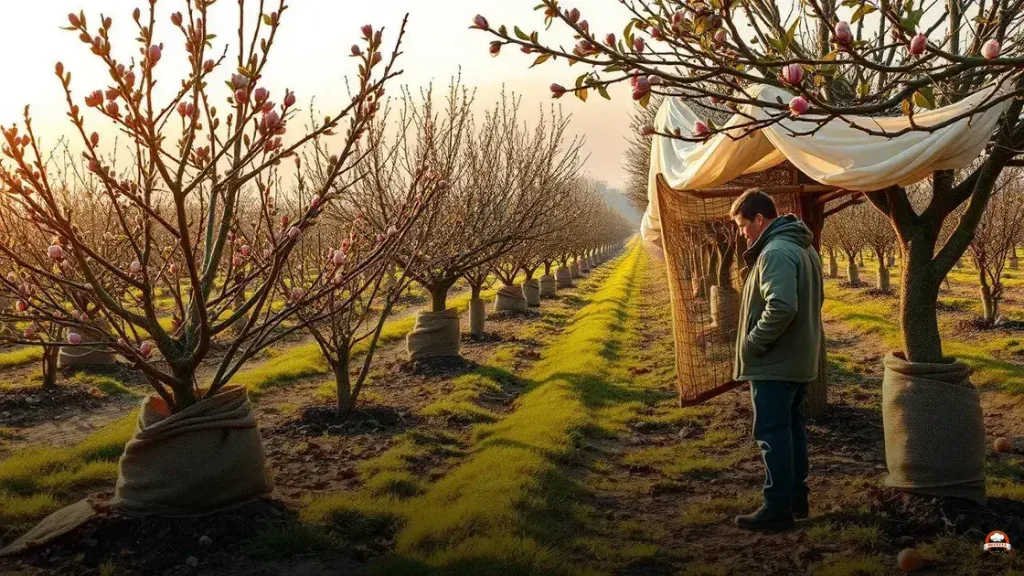
One effective method for protecting your fruit trees from frost is the use of frost cloths or covers. These materials can trap heat radiating from the ground, creating a warmer microenvironment around the tree. Ensure that the covers are lightweight and breathable to prevent moisture buildup, which can lead to fungal diseases. Secure the covers properly to withstand wind and prevent them from blowing away.
Implementing Watering Techniques Before Frost Events
Watering your fruit trees before a predicted frost can be a beneficial strategy. Moist soil retains heat better than dry soil, helping to moderate temperature fluctuations. Watering in the late afternoon or early evening allows the soil to absorb heat during the day and release it slowly overnight, providing additional warmth to the roots and surrounding area.
Using Mulch for Temperature Regulation
Applying a layer of mulch around the base of your fruit trees can help regulate soil temperature and retain moisture. Organic materials such as straw, wood chips, or grass clippings can insulate the soil, preventing it from cooling too quickly during frost events. This insulation can be particularly beneficial for young trees that are more susceptible to temperature changes.
Employing Wind Machines for Frost Protection
In commercial orchards, wind machines are often used to combat frost. These devices work by mixing warmer air from above with the cooler air near the ground, effectively raising the temperature around the trees. While this method can be costly, it is highly effective in protecting large areas of fruit trees from frost damage.
Creating Heat Sources with Candles or Lights
Another innovative approach to protecting fruit trees from frost is the use of small heat sources, such as candles or outdoor lights. Placing these heat sources strategically around the trees can provide localized warmth during cold nights. Ensure that any heat sources used are safe and monitored to prevent fire hazards.
Timing Your Pruning Activities
Pruning fruit trees at the right time can also influence their frost resistance. Late winter or early spring pruning can stimulate new growth that may be more susceptible to frost damage. Instead, consider pruning in the late summer or early fall to allow the trees to harden off before winter, thereby reducing the risk of frost damage to new growth.
Monitoring Weather Conditions Regularly
Staying informed about weather conditions is essential for protecting your fruit trees from frost. Utilize weather apps or local forecasts to anticipate frost events. Being proactive allows you to implement protective measures in a timely manner, ensuring that your trees are safeguarded against unexpected temperature drops.
Assessing Tree Varieties for Frost Resistance
Finally, selecting fruit tree varieties that are known for their frost resistance can significantly reduce the risk of frost damage. Research local varieties that have adapted well to your climate and have a history of withstanding cold temperatures. By choosing the right varieties, you can enhance the resilience of your orchard against frost-related challenges.


