

Índice do Conteúdo
Understanding Mango Fruit
Mango, often referred to as the “king of fruits,” is a tropical stone fruit known for its sweet, juicy flesh and vibrant color. To effectively serve mango fruit, one must first understand its varieties, ripeness, and the best methods for preparation. The most common types include the Alphonso, Haden, and Tommy Atkins, each offering unique flavors and textures. Selecting the right variety based on personal preference and intended use is crucial for an enjoyable experience.
Choosing the Right Mango
When learning how to serve mango fruit, the first step is selecting a ripe mango. A ripe mango will yield slightly to gentle pressure and emit a sweet aroma near the stem. Avoid mangoes with dark spots or wrinkles, as these may indicate overripeness. If you have unripe mangoes, you can accelerate the ripening process by placing them in a paper bag at room temperature for a few days. Once ripe, mangoes can be stored in the refrigerator to prolong their freshness.
Preparing Mango for Serving
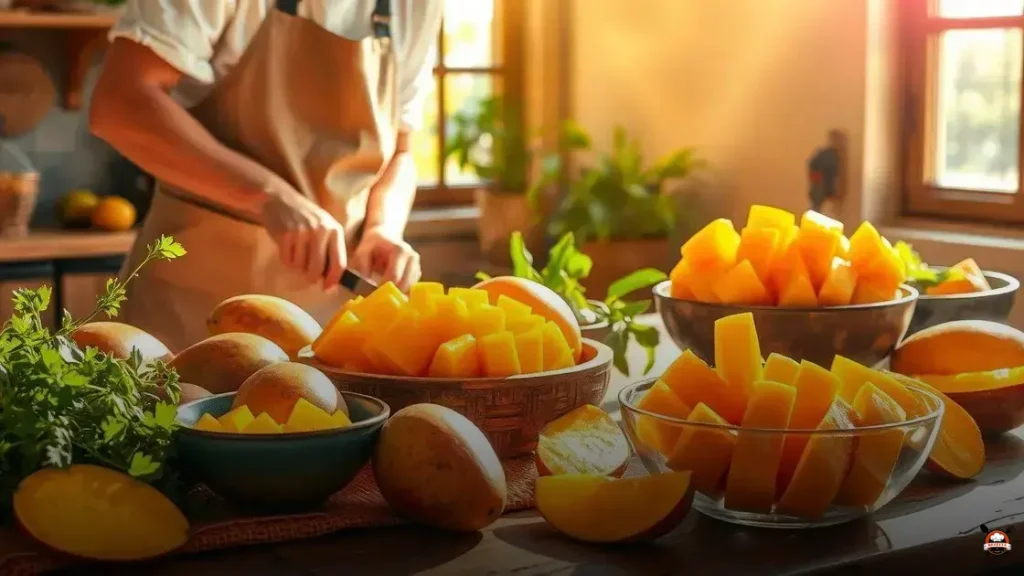
To serve mango fruit, proper preparation is essential. Begin by washing the mango under running water to remove any dirt or residues. Next, use a sharp knife to cut the mango in half, avoiding the large pit in the center. Once halved, you can score the flesh in a grid pattern without cutting through the skin, making it easier to scoop out the delicious cubes. Alternatively, you can slice the mango into wedges for a more rustic presentation.
Serving Mango in Salads
Mango fruit can elevate various salads, adding a tropical flair and sweetness. To serve mango in salads, combine diced mango with ingredients like avocado, red onion, and cilantro for a refreshing salsa. This combination works well as a topping for grilled fish or chicken. Additionally, mango can be added to green salads, pairing beautifully with ingredients like spinach, nuts, and a citrus vinaigrette.
Incorporating Mango into Desserts
Another delightful way to serve mango fruit is by incorporating it into desserts. Fresh mango can be used in fruit salads, parfaits, or as a topping for yogurt and ice cream. For a more elaborate dessert, consider making a mango mousse or sorbet. The natural sweetness of mango complements flavors like coconut and lime, creating a tropical dessert that is sure to impress.
Using Mango in Beverages
Mango fruit can also be transformed into refreshing beverages. To serve mango in drinks, blend ripe mango with water, ice, and a splash of lime juice for a simple mango smoothie. For a more sophisticated option, consider making a mango mojito by muddling fresh mint, lime, and mango puree with rum and soda water. These beverages are perfect for summer gatherings or as a refreshing treat any time of the year.
Pairing Mango with Other Ingredients
Understanding how to serve mango fruit also involves knowing what flavors pair well with it. Mango complements ingredients like chili, lime, and coconut, making it a versatile addition to various dishes. For a spicy kick, consider sprinkling chili powder on fresh mango slices. Additionally, mango pairs well with proteins such as shrimp and chicken, enhancing savory dishes with its sweetness.
Storing Leftover Mango
If you have leftover mango, proper storage is key to maintaining its freshness. Store cut mango in an airtight container in the refrigerator, where it can last for up to three days. To prevent browning, you can drizzle a little lime juice over the exposed flesh. If you have an abundance of mango, consider freezing it for later use in smoothies or desserts. Simply cut the mango into cubes, spread them on a baking sheet to freeze individually, and then transfer to a freezer bag.
Creative Serving Ideas
When exploring how to serve mango fruit, creativity can enhance the dining experience. Consider using mango as a topping for pancakes or waffles for a tropical breakfast twist. You can also create mango skewers by alternating mango cubes with other fruits like pineapple and strawberries, perfect for barbecues or fruit platters. Additionally, mango can be used in salsas or chutneys, adding a sweet and tangy element to various dishes.
Conclusion
While this section does not include a conclusion, it is important to remember that serving mango fruit can be a delightful experience when approached with creativity and knowledge. By understanding the various ways to prepare and serve mango, you can enhance your culinary repertoire and impress your guests with this versatile fruit.


