

Índice do Conteúdo
- Understanding the Importance of Staking Fruit Trees
- Choosing the Right Materials for Staking
- Determining the Best Time to Stake
- How to Properly Stake a Fruit Tree
- Adjusting the Stakes as the Tree Grows
- Signs That Your Tree Needs Staking
- Common Mistakes to Avoid When Staking
- Benefits of Staking Fruit Trees
- Long-Term Care After Staking
- Conclusion on Staking Fruit Trees
Understanding the Importance of Staking Fruit Trees
Staking fruit trees is a crucial practice that supports the healthy growth and stability of young trees. When newly planted, fruit trees can be vulnerable to wind, heavy rain, and other environmental factors that may cause them to lean or even uproot. By staking, you provide the necessary support that allows the tree to establish a strong root system while maintaining an upright position, which is essential for optimal growth and fruit production.
Choosing the Right Materials for Staking
When learning how to stake fruit trees, selecting the right materials is vital. Common staking materials include wooden stakes, metal posts, and biodegradable options like bamboo. Wooden stakes are widely used due to their availability and ease of use, while metal posts offer durability and strength. Biodegradable stakes are environmentally friendly and decompose over time, reducing waste. Ensure that the materials chosen are sturdy enough to withstand the elements while being gentle on the tree.
Determining the Best Time to Stake
Timing is an essential factor in the staking process. It is recommended to stake fruit trees immediately after planting, as this is when they are most vulnerable. If you notice any signs of leaning or instability in existing trees, it’s crucial to stake them promptly to prevent further damage. Generally, young trees should be staked for the first year or until they develop a strong enough trunk to support themselves.
How to Properly Stake a Fruit Tree
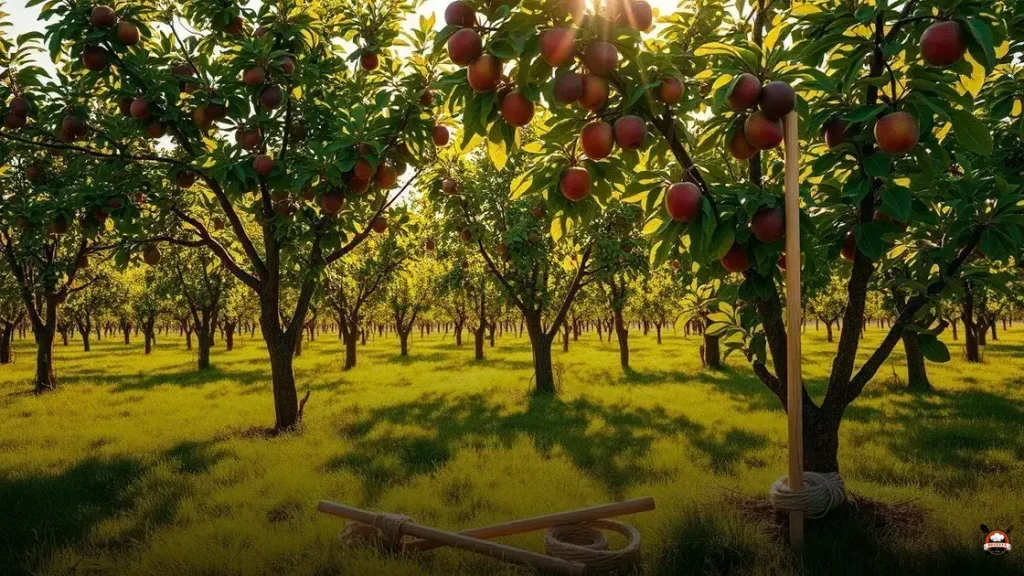
To stake a fruit tree effectively, begin by driving a stake into the ground at a distance of about 12 to 18 inches from the trunk. This distance helps prevent damage to the roots while providing adequate support. Use soft ties or straps to attach the tree to the stake, ensuring that they are not too tight, which could harm the tree. The goal is to allow some movement, which encourages the tree to develop strength in its trunk.
Adjusting the Stakes as the Tree Grows
As the tree matures, it is essential to adjust the stakes accordingly. Regularly check the ties and the position of the stakes to ensure they are not constricting the tree’s growth. If the tree begins to outgrow the stakes, it may be necessary to remove them or reposition them to accommodate the tree’s development. This adjustment is crucial for allowing the tree to grow naturally without being hindered by the staking system.
Signs That Your Tree Needs Staking
Recognizing when a fruit tree requires staking is vital for its health. Signs include a noticeable lean, weak or floppy branches, or if the tree appears unstable during windy conditions. If you observe these symptoms, it’s time to implement a staking system to provide the necessary support. Early intervention can prevent long-term damage and promote healthy growth.
Common Mistakes to Avoid When Staking
When learning how to stake fruit trees, it’s important to avoid common mistakes that can hinder the tree’s growth. One frequent error is staking too tightly, which can damage the bark and restrict growth. Additionally, using inadequate materials or failing to adjust the stakes as the tree grows can lead to problems. Always ensure that the staking system is flexible and allows for natural movement.
Benefits of Staking Fruit Trees
Staking offers numerous benefits beyond just stability. It helps in promoting a straight trunk, which is essential for aesthetic appeal and fruit production. Properly staked trees are less likely to suffer from wind damage, leading to healthier plants overall. Furthermore, staking can enhance the tree’s ability to absorb sunlight, which is crucial for photosynthesis and growth.
Long-Term Care After Staking
Once the staking process is complete, ongoing care is necessary to ensure the tree thrives. Monitor the tree regularly for signs of stress or damage caused by the stakes. After a year, assess whether the stakes can be removed. If the tree has developed a strong trunk, it may no longer need support. However, continue to provide care through watering, mulching, and pruning to promote healthy growth.
Conclusion on Staking Fruit Trees
Understanding how to stake fruit trees effectively is essential for any gardener or orchardist. By following the proper techniques and avoiding common pitfalls, you can ensure that your fruit trees grow strong and healthy, ultimately leading to a bountiful harvest.


