

Índice do Conteúdo
Understanding Fresh Fruit Juice Storage
Storing fresh fruit juice properly is essential to maintain its flavor, nutritional value, and freshness. Freshly squeezed juice is highly perishable due to its lack of preservatives, making it crucial to understand the best practices for storage. The primary factors affecting juice storage include temperature, container type, and exposure to air. By following specific guidelines, you can ensure that your juice remains delicious and safe to consume for an extended period.
Choosing the Right Container
When it comes to storing fresh fruit juice, the choice of container plays a vital role in preserving its quality. Glass containers are often recommended because they are non-reactive and do not leach chemicals into the juice. BPA-free plastic containers can also be used, but it is essential to ensure they are food-grade and designed for liquid storage. Avoid using metal containers, as they can react with the acidity of the juice, altering its taste and safety.
Optimal Temperature for Storage
The temperature at which you store fresh fruit juice significantly impacts its shelf life. Ideally, fresh juice should be stored in the refrigerator at a temperature of 32°F to 40°F (0°C to 4°C). This cold environment slows down the growth of bacteria and preserves the juice’s freshness. If you plan to store juice for an extended period, consider freezing it, which can prolong its shelf life for several months. However, be aware that freezing may alter the texture and flavor of the juice once thawed.
Avoiding Oxidation
Oxidation is one of the primary causes of spoilage in fresh fruit juice. When juice is exposed to air, it can lead to a loss of flavor, color, and nutrients. To minimize oxidation, fill your storage container to the brim to reduce the amount of air inside. Additionally, consider using airtight containers or vacuum-sealed bags to create a barrier against oxygen. Some people also use lemon juice or ascorbic acid as natural preservatives to help slow down the oxidation process.
Labeling and Dating Your Juice
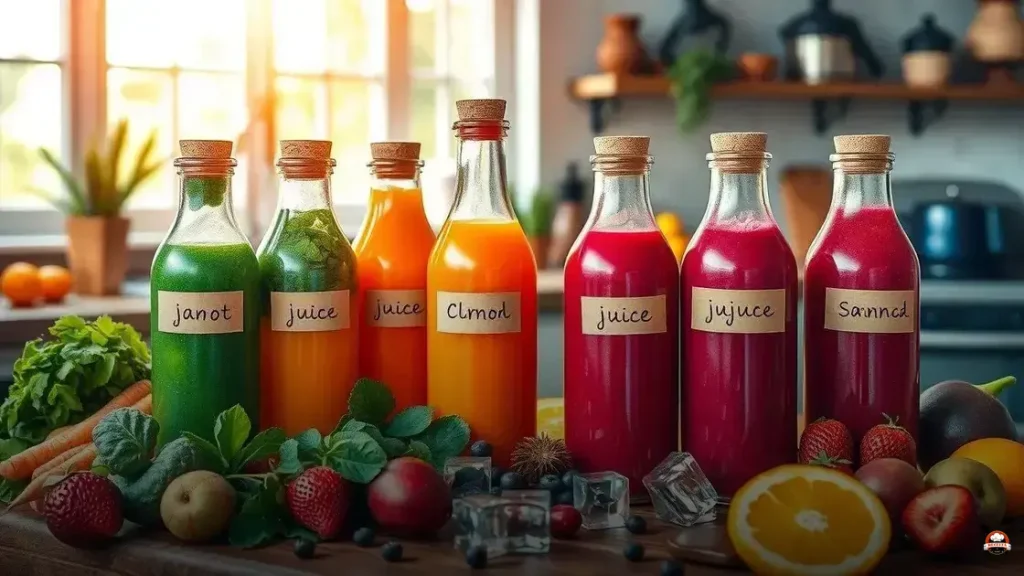
Proper labeling and dating of your fresh fruit juice containers are essential for tracking freshness. Always include the date of juicing on the label, as this will help you monitor how long the juice has been stored. Fresh fruit juice is best consumed within 24 to 72 hours of juicing, depending on the type of fruit used. By keeping track of the storage date, you can ensure that you consume the juice while it is still fresh and safe.
Understanding Shelf Life
The shelf life of fresh fruit juice varies depending on the type of fruit and the storage conditions. Generally, citrus juices like orange or lemon juice can last up to 72 hours in the refrigerator, while juices made from softer fruits like berries may only last 24 hours. If you notice any off smells, changes in color, or separation, it is best to discard the juice. Always trust your senses when determining the freshness of stored juice.
Freezing Fresh Fruit Juice
If you have excess fresh fruit juice that you cannot consume within a few days, freezing is an excellent option. To freeze juice, pour it into airtight containers, leaving some space at the top for expansion. Alternatively, ice cube trays can be used to freeze small portions of juice, which can be convenient for later use in smoothies or cocktails. When ready to use, thaw the juice in the refrigerator or under cold running water, and consume it promptly.
Thawing and Reusing Frozen Juice
When thawing frozen fresh fruit juice, it is crucial to do so safely to prevent bacterial growth. Always thaw juice in the refrigerator rather than at room temperature. Once thawed, consume the juice within 24 hours for the best taste and quality. Avoid refreezing thawed juice, as this can further degrade its flavor and nutritional content. Instead, plan to use the thawed juice in recipes or drinks within a short timeframe.
Common Mistakes to Avoid
Several common mistakes can lead to spoilage or loss of quality in stored fresh fruit juice. One major mistake is not using airtight containers, which can expose the juice to air and lead to oxidation. Another error is storing juice at room temperature, which accelerates spoilage. Additionally, failing to label containers can result in consuming juice that has gone bad. By being mindful of these pitfalls, you can enhance the longevity and enjoyment of your fresh fruit juice.
Conclusion: Enjoying Fresh Juice Safely
By following these guidelines on how to store fresh fruit juice, you can enjoy the delicious flavors and health benefits of your homemade beverages for longer. Proper storage techniques not only preserve the juice’s quality but also ensure that you are consuming safe and nutritious drinks. Remember to always prioritize freshness and safety when handling and storing your fresh fruit juice.


