

Índice do Conteúdo
- Understanding the Importance of Proper Fruit Storage
- Choosing the Right Temperature
- Storing Whole Fruits vs. Cut Fruits
- Utilizing Crisper Drawers Effectively
- Understanding Ethylene Gas and Its Effects
- Best Practices for Storing Specific Fruits
- Avoiding Common Storage Mistakes
- Monitoring Freshness and Signs of Spoilage
- Utilizing Storage Containers Wisely
- Experimenting with Different Storage Techniques
Understanding the Importance of Proper Fruit Storage
Storing fruit correctly in the refrigerator is essential for maintaining its freshness, flavor, and nutritional value. Different types of fruits have varying storage requirements, and understanding these can help prolong their shelf life. By following specific guidelines on how to store fruit in the refrigerator, you can minimize spoilage and waste, ensuring that you enjoy your fruits at their best.
Choosing the Right Temperature
The ideal temperature for storing most fruits in the refrigerator is between 32°F and 40°F (0°C to 4°C). This range helps slow down the ripening process and prevents the growth of mold and bacteria. It’s crucial to keep your refrigerator at a consistent temperature to avoid fluctuations that can negatively impact the quality of the fruit. Using a refrigerator thermometer can help you monitor the temperature accurately.
Storing Whole Fruits vs. Cut Fruits
Whole fruits can generally be stored in the refrigerator without any special preparation. However, once fruits are cut, they require different handling. Cut fruits should be placed in airtight containers to prevent oxidation and moisture loss. This not only preserves their texture and taste but also reduces the risk of contamination. Always consume cut fruits within a few days for optimal freshness.
Utilizing Crisper Drawers Effectively
Crisper drawers in your refrigerator are designed to maintain humidity levels that are ideal for storing fruits and vegetables. When storing fruits, it’s beneficial to keep them in these drawers to maintain their freshness. However, it’s important to separate fruits from vegetables, as some fruits emit ethylene gas, which can cause vegetables to spoil more quickly.
Understanding Ethylene Gas and Its Effects
Ethylene gas is a natural plant hormone released by certain fruits as they ripen. This gas can accelerate the ripening process of nearby fruits and vegetables. To store fruit in the refrigerator effectively, it’s crucial to keep ethylene-producing fruits, such as apples and bananas, away from ethylene-sensitive ones, like berries and leafy greens. This separation helps maintain the quality of all stored produce.
Best Practices for Storing Specific Fruits
Different fruits have unique storage needs. For example, berries should be kept in their original packaging or a breathable container to prevent moisture buildup. Apples can be stored in a plastic bag with holes to allow airflow, while citrus fruits thrive in a cool, dry place within the refrigerator. Understanding these specific requirements is key to maximizing the lifespan of each fruit.
Avoiding Common Storage Mistakes
One common mistake when storing fruit in the refrigerator is washing them before storage. Excess moisture can promote mold growth and spoilage. Instead, wash fruits just before consumption. Additionally, avoid overcrowding the refrigerator, as this can restrict airflow and lead to uneven cooling. Proper spacing allows for better air circulation, which is essential for maintaining fruit quality.
Monitoring Freshness and Signs of Spoilage
Regularly check your stored fruits for signs of spoilage, such as soft spots, discoloration, or an off smell. Removing spoiled fruits promptly is crucial, as they can release ethylene gas and affect the quality of nearby fruits. By monitoring your stored fruits and consuming them before they spoil, you can enjoy their flavors and nutritional benefits to the fullest.
Utilizing Storage Containers Wisely
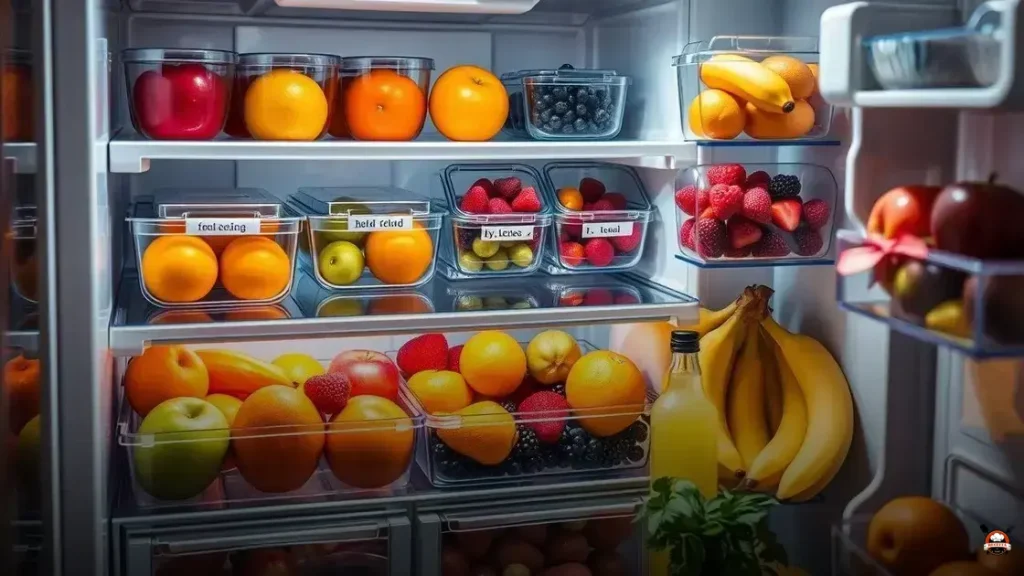
Investing in high-quality storage containers can significantly enhance your fruit storage practices. Airtight containers help maintain moisture levels and prevent odors from transferring between different foods. Additionally, using clear containers allows you to easily see what you have on hand, reducing the likelihood of forgotten fruits that may spoil over time.
Experimenting with Different Storage Techniques
Finally, don’t hesitate to experiment with various storage techniques to find what works best for you. Some people find success in using paper towels to absorb excess moisture, while others prefer using breathable bags. Keeping a record of what methods yield the best results can help you refine your approach to storing fruit in the refrigerator, ensuring that you always have fresh, delicious options available.


