

Índice do Conteúdo
- Understanding the Importance of Washing Fruits
- Choosing the Right Washing Method
- Using Water: The Most Basic Method
- Utilizing Vinegar for Enhanced Cleaning
- Using Baking Soda as a Natural Cleaner
- Understanding the Role of Scrubbing
- Rinsing and Drying: The Final Steps
- Storing Cleaned Fruits Properly
- Common Mistakes to Avoid
- Conclusion: Embracing Proper Fruit Washing Techniques
Understanding the Importance of Washing Fruits
Washing fruits is a crucial step in food safety that many people overlook. Properly cleaning your fruits helps remove dirt, pesticides, and harmful bacteria that can pose health risks. This process is essential not only for maintaining hygiene but also for enhancing the flavor and texture of the fruits. By understanding how to wash your fruit properly, you can ensure that you are consuming safe and delicious produce.
Choosing the Right Washing Method
Different fruits require different washing methods. For instance, soft fruits like berries should be rinsed gently under running water, while firmer fruits like apples can withstand a more vigorous scrub. It’s important to know the right technique for each type of fruit to avoid damaging them while ensuring they are thoroughly cleaned. This knowledge is key to mastering how to wash your fruit properly.
Using Water: The Most Basic Method
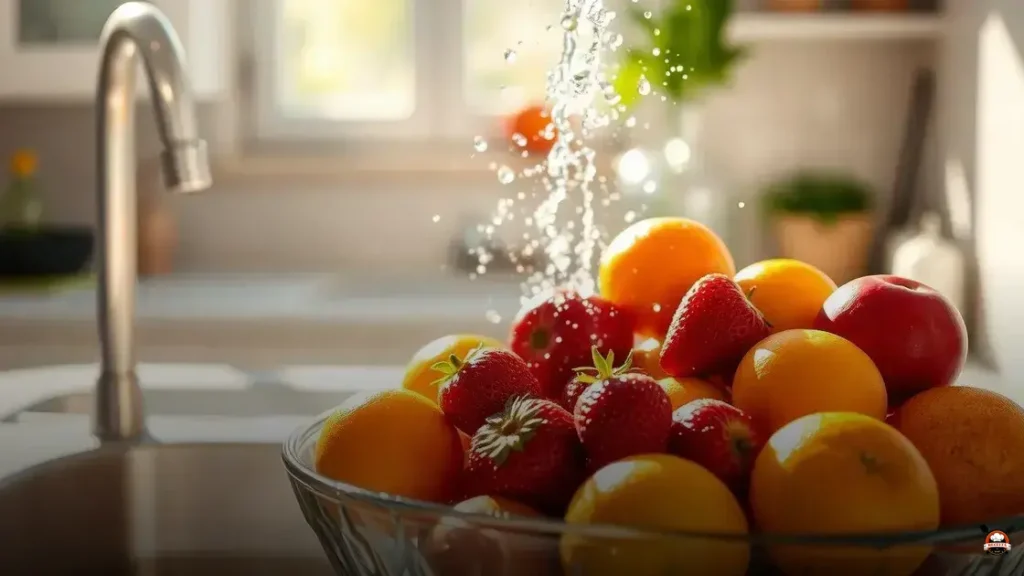
The simplest and most effective way to wash fruits is by using cold running water. This method helps to remove surface dirt and contaminants without the need for any additional cleaning agents. For fruits with thicker skins, like melons or cucumbers, using a vegetable brush can enhance the cleaning process. Always ensure that the water is clean and free from contaminants to avoid reintroducing harmful substances.
Utilizing Vinegar for Enhanced Cleaning
Vinegar is a natural disinfectant that can be used to wash fruits, especially those that are more porous. A solution of one part vinegar to three parts water can effectively kill bacteria and remove pesticides. Soaking fruits in this solution for a few minutes before rinsing them under cold water is an excellent way to ensure they are clean. This method is particularly useful for fruits like grapes and strawberries.
Using Baking Soda as a Natural Cleaner
Baking soda is another effective natural cleaner that can help remove pesticide residues from fruits. A mixture of baking soda and water can be used to soak fruits for about 10-15 minutes. After soaking, rinse the fruits thoroughly under running water. This method is particularly beneficial for fruits with thicker skins, such as apples and pears, as it can help to break down stubborn residues.
Understanding the Role of Scrubbing
Scrubbing fruits is an important aspect of washing, especially for those with thicker skins. Using a clean vegetable brush can help remove dirt and residues that water alone may not eliminate. It is essential to scrub the surface gently to avoid bruising the fruit while ensuring that all contaminants are removed. This technique is a vital part of how to wash your fruit properly.
Rinsing and Drying: The Final Steps
After washing, it is crucial to rinse the fruits thoroughly under running water to remove any remaining cleaning agents or residues. Once rinsed, drying the fruits with a clean cloth or paper towel can help remove any excess moisture, which can promote the growth of bacteria. This final step is often overlooked but is essential for maintaining the quality and safety of your fruits.
Storing Cleaned Fruits Properly
Once you have washed your fruits properly, storing them correctly is equally important. Keep washed fruits in the refrigerator to maintain their freshness and prevent spoilage. Use breathable containers or bags to allow for air circulation, which helps to keep the fruits crisp. Understanding how to wash your fruit properly also includes knowing how to store them to maximize their shelf life.
Common Mistakes to Avoid
Many people make common mistakes when washing fruits, such as using soap or bleach, which can leave harmful residues. Additionally, washing fruits before storing them can lead to quicker spoilage. It’s important to wash fruits just before consumption or preparation to maintain their freshness. Being aware of these mistakes is crucial for anyone looking to learn how to wash your fruit properly.
Conclusion: Embracing Proper Fruit Washing Techniques
Incorporating proper fruit washing techniques into your routine is essential for ensuring food safety and enhancing the overall quality of the fruits you consume. By understanding the various methods and best practices, you can enjoy fresh, clean, and delicious fruits while minimizing health risks. Remember, knowing how to wash your fruit properly is a vital skill for every health-conscious individual.


