

Índice do Conteúdo
- Understanding Olive Oil: What Fruit Is It Made From?
- The Nutritional Profile of Olives
- Types of Olives Used for Olive Oil Production
- The Process of Olive Oil Extraction
- Extra Virgin Olive Oil: The Highest Quality
- The Role of Olive Oil in Mediterranean Diet
- Health Benefits of Olive Oil
- How to Choose Quality Olive Oil
- Storing Olive Oil for Maximum Freshness
Understanding Olive Oil: What Fruit Is It Made From?
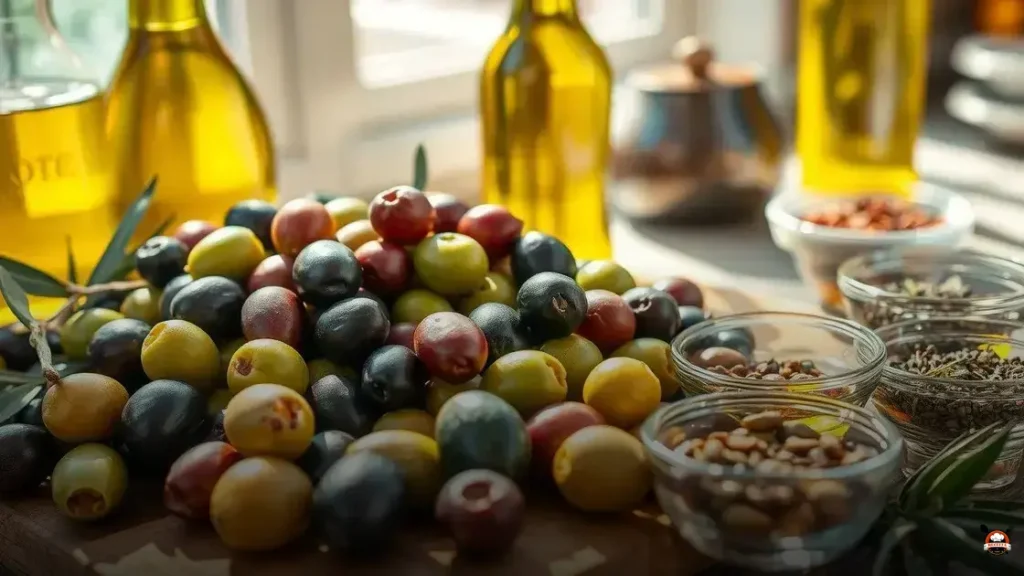
Olive oil, a staple in Mediterranean cuisine, is derived from the fruit of the olive tree, scientifically known as Olea europaea. This small, oval fruit is typically green or black, depending on its ripeness, and is rich in healthy fats, particularly monounsaturated fats. The process of extracting olive oil involves pressing the olives to release their oil, which is then refined or used in its virgin state. The quality and flavor of olive oil can vary significantly based on the type of olives used, the region of cultivation, and the extraction methods employed.
The Nutritional Profile of Olives
Olives, the fruit from which olive oil is produced, are not only flavorful but also packed with nutrients. They contain a variety of vitamins, including vitamin E, which is known for its antioxidant properties. Additionally, olives are a good source of iron, copper, and calcium. The high content of healthy fats in olives contributes to heart health, making olive oil a preferred choice for those seeking to maintain a balanced diet. The unique combination of nutrients found in olives is what makes olive oil a healthful addition to meals.
Types of Olives Used for Olive Oil Production
There are numerous varieties of olives used in the production of olive oil, each contributing distinct flavors and aromas. Some of the most popular types include Arbequina, Picual, and Koroneiki. Arbequina olives are known for their mild, fruity flavor, while Picual olives offer a more robust, peppery taste. Koroneiki olives, often considered the gold standard for high-quality olive oil, provide a rich, aromatic profile. The choice of olive variety significantly influences the final product, affecting both taste and health benefits.
The Process of Olive Oil Extraction
The extraction of olive oil involves several steps, beginning with the harvesting of ripe olives. Once harvested, the olives are washed and crushed into a paste. This paste is then subjected to mechanical pressing or centrifugation to separate the oil from the solid components. The method of extraction plays a crucial role in determining the quality of the olive oil. Cold-pressed olive oil, for instance, is extracted at lower temperatures, preserving more of the fruit’s natural flavors and nutrients compared to oils extracted using heat.
Extra Virgin Olive Oil: The Highest Quality
Extra virgin olive oil (EVOO) is the highest quality grade of olive oil, characterized by its low acidity and superior taste. To qualify as extra virgin, the oil must be made from fresh olives and undergo minimal processing. This type of olive oil retains the most flavor and health benefits, making it ideal for dressings, drizzling over dishes, or using in cooking at lower temperatures. The distinct taste of EVOO can enhance the flavor profile of various dishes, making it a favorite among chefs and home cooks alike.
The Role of Olive Oil in Mediterranean Diet
Olive oil is a cornerstone of the Mediterranean diet, which is renowned for its health benefits. This diet emphasizes the consumption of whole foods, including fruits, vegetables, whole grains, and healthy fats, with olive oil being the primary source of fat. Studies have shown that a diet rich in olive oil can reduce the risk of heart disease, improve cholesterol levels, and promote overall health. The integration of olive oil into daily meals not only enhances flavor but also contributes to a balanced and nutritious diet.
Health Benefits of Olive Oil
The health benefits of olive oil are well-documented, with numerous studies highlighting its positive effects on cardiovascular health. The monounsaturated fats in olive oil can help lower bad cholesterol levels while increasing good cholesterol. Additionally, the antioxidants found in olive oil, such as oleocanthal and oleuropein, have anti-inflammatory properties that may protect against chronic diseases. Regular consumption of olive oil is associated with a lower risk of stroke, heart disease, and certain types of cancer, making it a valuable addition to any diet.
How to Choose Quality Olive Oil
When selecting olive oil, it is essential to consider factors such as the type of olives used, the extraction method, and the oil’s origin. Look for labels indicating “extra virgin” to ensure you are getting the highest quality oil. Additionally, check for harvest dates and choose oils that are packaged in dark glass bottles to protect them from light, which can degrade quality. Tasting the oil can also provide insight into its flavor profile; high-quality olive oil should have a fresh, fruity taste with a hint of bitterness and pepperiness.
Storing Olive Oil for Maximum Freshness
Proper storage of olive oil is crucial to maintaining its quality and flavor. Olive oil should be kept in a cool, dark place, away from heat and light, which can cause it to oxidize and lose its beneficial properties. Ideally, olive oil should be stored in a tightly sealed container to prevent exposure to air. While olive oil does have a shelf life, consuming it within a year of opening is recommended to enjoy its full flavor and health benefits. Regularly checking the oil for off-flavors or rancidity can help ensure you are using the best quality product.


