

Índice do Conteúdo
What is the Cocoa Fruit?
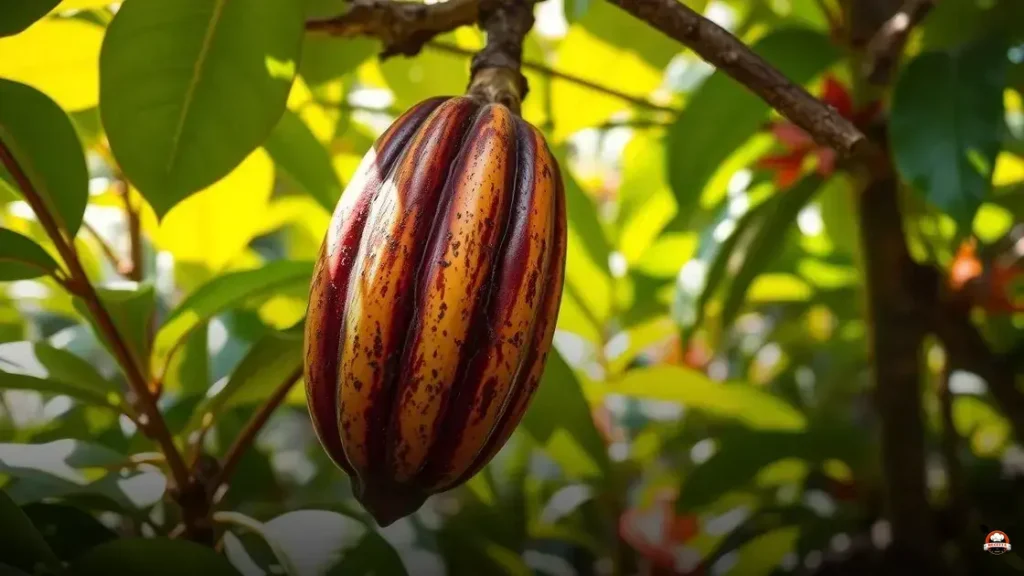
The cocoa fruit, scientifically known as Theobroma cacao, is the pod that contains the seeds from which cocoa and chocolate are derived. This tropical fruit grows on the cacao tree, which is native to the deep tropical regions of Central and South America. The cocoa fruit is characterized by its elongated shape, vibrant colors ranging from yellow to deep purple, and a hard outer shell that protects the valuable seeds inside.
Structure of the Cocoa Fruit
The cocoa fruit consists of several key components: the outer shell, the pulp, and the seeds, commonly referred to as cocoa beans. The outer shell, or husk, is thick and leathery, providing protection against pests and environmental factors. Inside, the pulp is a sweet, white, and sticky substance that surrounds the seeds. This pulp is not only edible but also plays a crucial role in the fermentation process of the seeds, which is essential for developing the rich flavors associated with chocolate.
Growth and Harvesting of Cocoa Fruits
Cocoa fruits grow in clusters directly from the trunk and branches of the cacao tree. The tree thrives in humid, tropical climates and requires specific conditions such as shade and consistent rainfall. Harvesting typically occurs twice a year, with farmers using machetes to cut the ripe pods from the tree. The timing of the harvest is critical, as the fruit must be picked at its peak ripeness to ensure the best quality seeds.
Fermentation Process of Cocoa Beans
Once harvested, the cocoa fruits are opened to extract the seeds, which are then placed in shallow containers to ferment. This fermentation process lasts about five to seven days and is vital for developing the flavor profile of the cocoa beans. During fermentation, the pulp surrounding the seeds breaks down, and the beans undergo biochemical changes that enhance their taste and aroma.
Drying and Roasting Cocoa Beans
After fermentation, the cocoa beans are spread out in the sun to dry, reducing their moisture content and preventing spoilage. Once dried, the beans are roasted, a process that further develops their flavor. Roasting temperatures and times can vary, allowing chocolatiers to create a wide range of flavor profiles. The roasting process also helps to loosen the outer shell, making it easier to separate the nibs from the husks.
Culinary Uses of Cocoa Fruit
The cocoa fruit is primarily known for its seeds, but the pulp can also be utilized in various culinary applications. The sweet pulp can be eaten fresh or used to make beverages, jams, and even desserts. Cocoa beans, after processing, are transformed into cocoa powder and chocolate products, which are staples in the culinary world. The versatility of cocoa allows it to be used in both sweet and savory dishes, enhancing flavors and adding depth.
Nutritional Benefits of Cocoa
Cocoa is not only delicious but also packed with nutritional benefits. It is rich in antioxidants, particularly flavonoids, which are known to promote heart health and improve blood circulation. Additionally, cocoa contains essential minerals such as magnesium, iron, and zinc. The consumption of cocoa products, especially dark chocolate with high cocoa content, has been associated with various health benefits, including improved mood and cognitive function.
Environmental Impact of Cocoa Production
The production of cocoa has significant environmental implications. Cocoa farming often leads to deforestation, habitat destruction, and biodiversity loss. Sustainable practices, such as agroforestry and organic farming, are being promoted to mitigate these impacts. Consumers are increasingly seeking ethically sourced cocoa products, which support environmentally friendly practices and fair trade initiatives.
The Global Cocoa Market
The global cocoa market is a multi-billion dollar industry, with major producers located in West Africa, particularly Côte d’Ivoire and Ghana. The demand for cocoa continues to rise, driven by the growing popularity of chocolate products worldwide. However, challenges such as fluctuating prices, climate change, and labor issues pose threats to the sustainability of cocoa production. Efforts are being made to address these challenges through innovation and collaboration within the industry.
Conclusion
The cocoa fruit is a fascinating and complex component of the culinary world, offering a rich history and a plethora of uses. From its growth and harvesting to its transformation into beloved chocolate products, the journey of the cocoa fruit is a testament to the intricate relationship between agriculture and gastronomy.


