

Índice do Conteúdo
- Understanding Pectin in Fruits
- Fruits High in Pectin
- The Role of Pectin in Cooking
- How to Extract Pectin from Fruits
- Benefits of Using Natural Pectin
- Common Misconceptions about Pectin
- Using Pectin in Vegan Cooking
- Commercial Pectin vs. Natural Pectin
- Popular Recipes Utilizing Pectin-Rich Fruits
- Conclusion: The Importance of Pectin in Culinary Arts
Understanding Pectin in Fruits
Pectin is a natural polysaccharide found in the cell walls of fruits. It plays a crucial role in the structure and stability of the fruit, contributing to its firmness and texture. When fruits are cooked or processed, pectin can form a gel-like substance, which is why it is often used in making jams and jellies. Understanding which fruit has pectin is essential for culinary applications, particularly in preserving and thickening.
Fruits High in Pectin
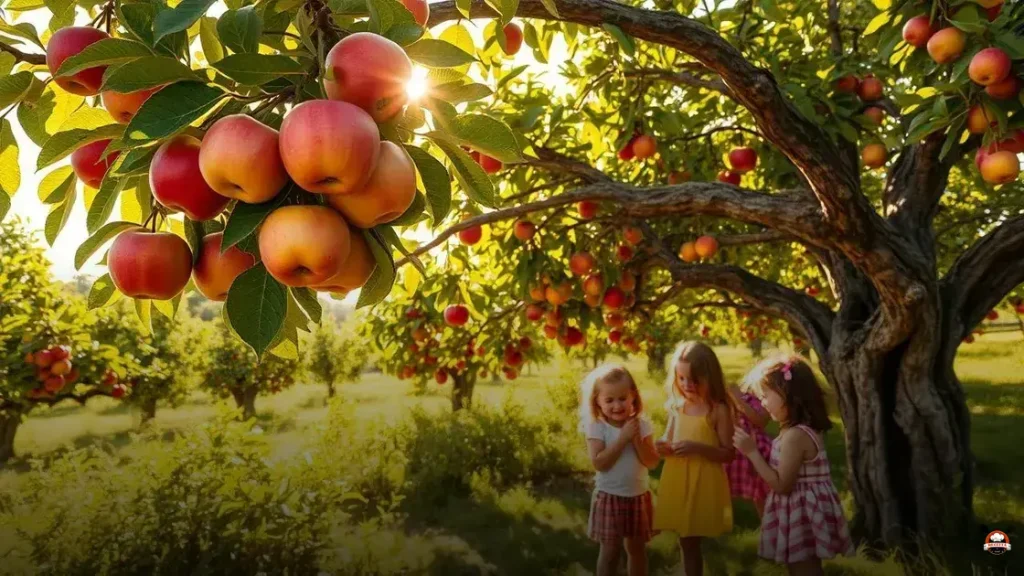
Several fruits are known for their high pectin content. Apples, particularly green varieties, are among the richest sources of pectin. Citrus fruits, such as oranges, lemons, and grapefruits, also contain significant amounts of pectin, especially in their peels and membranes. Other fruits like quinces and plums are also recognized for their high pectin levels, making them ideal for jam-making and other culinary uses.
The Role of Pectin in Cooking
In cooking, pectin serves as a gelling agent, which is vital for creating the desired texture in various recipes. When making preserves or jellies, the presence of pectin allows the mixture to thicken and set properly. This property is particularly important for achieving the right consistency in products like fruit preserves, where a firm yet spreadable texture is desired. Knowing which fruit has pectin can help chefs and home cooks select the right ingredients for their recipes.
How to Extract Pectin from Fruits
Extracting pectin from fruits can be done through a simple cooking process. By boiling high-pectin fruits with water, the pectin is released into the liquid. This mixture can then be strained to separate the solid fruit parts from the liquid pectin solution. This homemade pectin can be used in various recipes, providing a natural thickening agent without the need for commercial pectin products.
Benefits of Using Natural Pectin
Using natural pectin from fruits offers several advantages over synthetic alternatives. Natural pectin is free from additives and preservatives, making it a healthier choice for those concerned about their diet. Additionally, it can enhance the flavor and nutritional value of the final product, as it retains the natural essence of the fruit. Understanding which fruit has pectin allows for more informed choices in cooking and preserving.
Common Misconceptions about Pectin
There are several misconceptions surrounding pectin and its role in cooking. One common myth is that all fruits contain the same amount of pectin, which is not true. Different fruits have varying levels of pectin, and some, like strawberries and cherries, have low pectin content. This variability affects how they should be prepared for preserves and jams. Knowing which fruit has pectin can help avoid common pitfalls in fruit preservation.
Using Pectin in Vegan Cooking
For those following a vegan diet, pectin is an excellent alternative to gelatin, which is derived from animal products. Many fruits that are high in pectin can be used to create vegan-friendly jams, jellies, and desserts. This makes pectin a versatile ingredient in plant-based cooking, allowing for the creation of delicious and satisfying dishes without compromising dietary choices.
Commercial Pectin vs. Natural Pectin
While commercial pectin is widely available and convenient, many chefs prefer using natural pectin from fruits for its superior flavor and texture. Commercial pectin often contains added sugars and preservatives, which can alter the taste of the final product. By understanding which fruit has pectin, cooks can harness the natural gelling properties of fruits, leading to a more authentic culinary experience.
Popular Recipes Utilizing Pectin-Rich Fruits
There are numerous recipes that highlight the use of pectin-rich fruits. Classic fruit preserves, such as apple jelly and citrus marmalade, showcase the gelling properties of these fruits. Additionally, pectin-rich fruits can be used in desserts like fruit tarts and sauces, where their natural sweetness and texture enhance the dish. Exploring various recipes can inspire creativity in the kitchen while utilizing the benefits of pectin.
Conclusion: The Importance of Pectin in Culinary Arts
Understanding which fruit has pectin is essential for anyone interested in cooking and food preservation. The ability to select the right fruits based on their pectin content can significantly impact the quality and texture of culinary creations. Whether making jams, jellies, or desserts, knowledge of pectin can elevate the cooking experience and lead to delicious results.


