

Índice do Conteúdo
- Understanding Fiber in Fruits
- Top Fiber-Rich Fruits
- Raspberries: A Fiber Powerhouse
- Pears: A Sweet and Fiber-Rich Option
- Apples: A Convenient Fiber Source
- Bananas: A Fiber-Rich Staple
- Avocado: A Unique Fiber-Rich Fruit
- Blackberries: A Tasty Fiber Option
- Figs: A Dried Fruit with High Fiber Content
- Conclusion: Incorporating Fiber-Rich Fruits
Understanding Fiber in Fruits
Fruits are not only delicious but also packed with essential nutrients, including dietary fiber. Fiber is crucial for maintaining digestive health, regulating blood sugar levels, and promoting a feeling of fullness. When exploring the question, “which fruit is rich in fiber,” it is important to recognize the various types of fiber, such as soluble and insoluble fiber, and how they contribute to overall health.
Top Fiber-Rich Fruits
Several fruits stand out for their high fiber content. Raspberries, for example, are among the top contenders, boasting about 8 grams of fiber per cup. Other notable mentions include pears, apples, and bananas, each providing a significant amount of fiber that can help meet daily dietary recommendations. Incorporating these fruits into your diet can enhance your fiber intake effectively.
Raspberries: A Fiber Powerhouse
Raspberries are not only rich in flavor but also in fiber. With their vibrant color and sweet-tart taste, they offer approximately 8 grams of fiber per cup. This makes them an excellent choice for anyone looking to increase their fiber consumption. Additionally, they are low in calories, making them a perfect snack for weight management.
Pears: A Sweet and Fiber-Rich Option
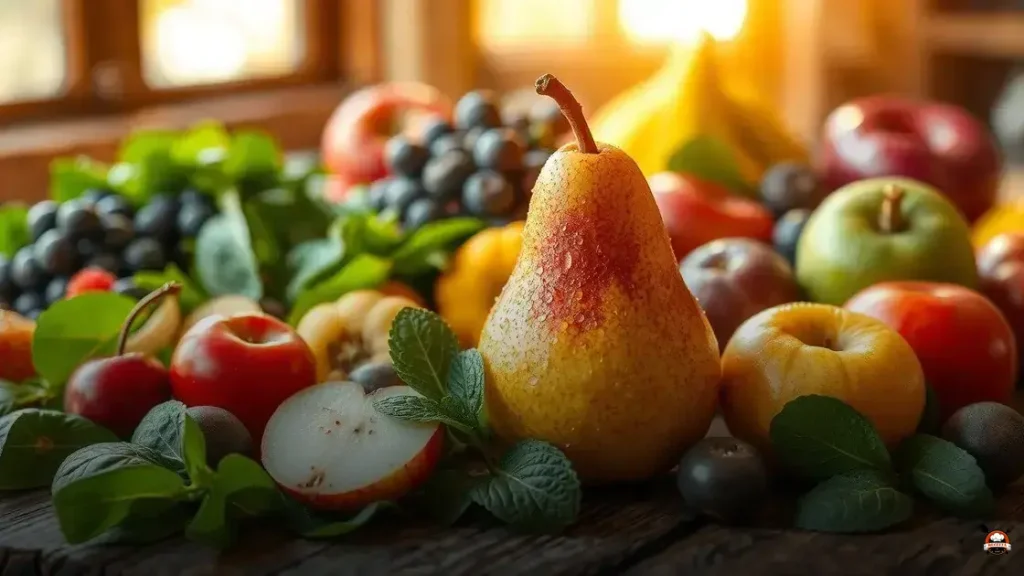
Pears are another fruit that is rich in fiber, providing about 5 to 6 grams of fiber per medium-sized fruit. The skin of the pear contains a significant amount of this fiber, so it is advisable to consume them unpeeled. Their natural sweetness and juiciness make pears a delightful addition to salads, desserts, or as a standalone snack.
Apples: A Convenient Fiber Source
Apples are widely available and easy to incorporate into various meals. A medium apple contains about 4 grams of fiber, primarily found in the skin. They are versatile fruits that can be eaten raw, baked, or added to smoothies, making them a convenient option for boosting fiber intake while enjoying a tasty treat.
Bananas: A Fiber-Rich Staple
Bananas are not only a popular fruit but also a good source of fiber, offering around 3 grams per medium-sized banana. They are particularly rich in soluble fiber, which can help lower cholesterol levels and improve heart health. Their natural sweetness and portability make them an ideal snack for on-the-go individuals.
Avocado: A Unique Fiber-Rich Fruit
While often categorized as a vegetable, avocados are technically fruits and are exceptionally high in fiber. A single avocado contains about 10 grams of fiber, making it one of the richest sources available. Additionally, avocados are packed with healthy fats, which can further enhance their nutritional profile, making them a fantastic addition to any diet.
Blackberries: A Tasty Fiber Option
Blackberries are another berry that is rich in fiber, providing about 7 grams per cup. These dark, juicy fruits are not only delicious but also packed with antioxidants, vitamins, and minerals. They can be enjoyed fresh, added to smoothies, or used in desserts, making them a versatile choice for increasing fiber intake.
Figs: A Dried Fruit with High Fiber Content
Figs, particularly when dried, are an excellent source of fiber, offering around 14 grams per cup. They are sweet and chewy, making them a delightful snack or addition to various dishes. Including figs in your diet can significantly contribute to your daily fiber goals while also providing essential nutrients.
Conclusion: Incorporating Fiber-Rich Fruits
Incorporating fiber-rich fruits into your diet is a delicious and effective way to improve your overall health. By choosing fruits like raspberries, pears, apples, bananas, avocados, blackberries, and figs, you can easily increase your fiber intake. Remember that a varied diet rich in fruits and vegetables is key to achieving optimal health and well-being.


