

Índice do Conteúdo
Understanding Ripening in Fruits
Fruits undergo a complex process of ripening, which is crucial for their flavor, texture, and nutritional value. The ripening process involves various biochemical changes, including the conversion of starches to sugars, softening of the fruit, and the development of characteristic aromas. Understanding which fruit takes the longest to ripen can help consumers make informed choices about when to purchase and consume these fruits.
Factors Influencing Ripening Time
Several factors influence the time it takes for fruits to ripen, including temperature, humidity, and ethylene production. Ethylene is a natural plant hormone that plays a significant role in the ripening process. Some fruits produce ethylene gas, which can accelerate the ripening of nearby fruits. Therefore, the ripening time can vary significantly based on environmental conditions and the presence of other fruits.
Bananas: A Case Study
Bananas are often cited as a fruit that takes a relatively long time to ripen, especially when compared to other fruits. When harvested green, bananas can take several days to weeks to ripen fully, depending on the storage conditions. The ideal temperature for ripening bananas is around 60 to 70 degrees Fahrenheit. This slow ripening process is essential for developing the sweet flavor and soft texture that consumers enjoy.
Avocados and Their Ripening Journey
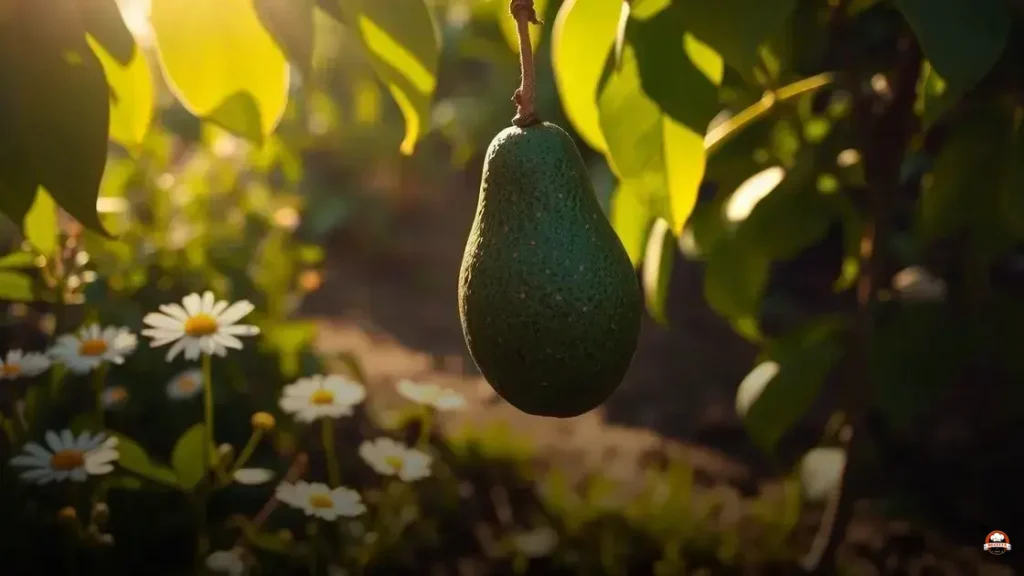
Avocados are another fruit known for their prolonged ripening period. Typically, avocados can take anywhere from 5 to 14 days to ripen after being harvested. The ripening process can be influenced by the fruit’s initial maturity and the environmental conditions in which they are stored. To speed up the ripening process, many people place avocados in a paper bag with an apple or banana, as the ethylene gas emitted by these fruits can hasten ripening.
Pears: A Delicate Balance
Pears are unique in their ripening process, as they ripen from the inside out. This means that while the exterior may appear ripe, the interior may still be hard. Depending on the variety, pears can take anywhere from 3 to 10 days to ripen after being picked. The best way to determine if a pear is ripe is to gently press near the stem; if it yields slightly, it is ready to eat.
Persimmons: A Long Wait
Persimmons are known for their lengthy ripening period, which can take up to several weeks. The time required for persimmons to ripen can vary significantly based on the variety. For example, the astringent varieties require full ripening to develop their sweet flavor, while non-astringent types can be eaten while still firm. Understanding the ripening characteristics of persimmons is essential for enjoying their unique taste.
Mangoes: Tropical Delights
Mangoes are beloved for their sweet and juicy flesh, but they can take a considerable amount of time to ripen. Depending on the variety and initial ripeness at harvest, mangoes can take anywhere from 5 to 14 days to reach optimal ripeness. The ripening process can be accelerated by placing mangoes in a warm area or in a paper bag with other ethylene-producing fruits.
Figs: A Unique Ripening Process
Figs are another fruit that can take a long time to ripen, often requiring several days to weeks after harvest. The ripening of figs is influenced by their exposure to sunlight and temperature. Figs are best enjoyed when they are fully ripe, as this is when they develop their rich flavor and soft texture. The delicate nature of figs makes them a unique case in the discussion of ripening times.
Conclusion on Ripening Times
In summary, understanding which fruit takes the longest to ripen involves considering various factors, including the type of fruit, environmental conditions, and the presence of ethylene gas. Fruits like bananas, avocados, pears, persimmons, mangoes, and figs each have unique ripening characteristics that can significantly affect when they are ready to be consumed. By being aware of these factors, consumers can better plan their purchases and enjoy fruits at their peak ripeness.


